
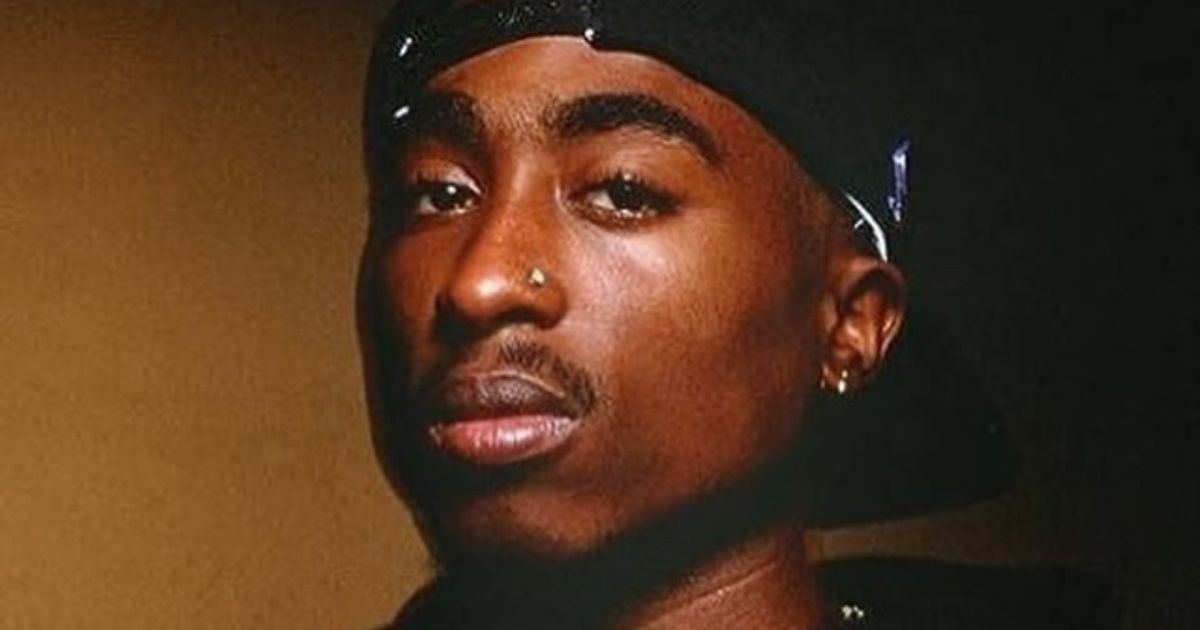
Tupac Shakur is back in the spotlight as Duane Davis goes on trial in Las Vegas accused of orchestrating the rap star's 1996 drive-by murder.
The trial comes almost three decades after the musician and actor was shot dead at the age of 25. The proceedings have also revived memories of how Shakur frequently contemplated his own mortality and spoke openly about dying young.
In a well-known interview with Vibe magazine conducted the year before his death, Shakur told the journalist Kevin Powell that he had no fear of death. He explained that his only fear was returning reincarnated, adding that he was not trying to pretend and felt his entire life would be dedicated to saving someone and representing life.
No one could prevent his death when a barrage of gunfire struck the car he was riding in on September 7, 1996. Shakur was traveling with Marion "Suge" Knight, the co-founder of Death Row Records, near the Las Vegas Strip following a Mike Tyson boxing match at the MGM Grand, and died from his wounds days later.
Duane Davis and the Las Vegas Ambush
Duane "Keffe D" Davis, 63, is now on trial for allegedly planning the deadly shooting. Prosecutors do not claim that Davis pulled the trigger himself. Instead, they allege that he organized the ambush from inside a white Cadillac that pulled alongside Shakur's BMW in retaliation for an earlier fight involving his nephew, Orlando Anderson, at the MGM Grand after the boxing match.
The prosecution's case relies heavily on statements Davis made himself over the years. Davis discussed his alleged involvement in the killing during media interviews, on the VladTV podcast, and in his co-authored 2019 memoir, Compton Street Legend: Notorious Keffe D's Street-Level Accounts of Tupac and Biggie Murders, Death Row Origins, Suge Knight, Puffy Combs, and Crooked Cops.
The book became a central piece of evidence for prosecutors, who have pointed to his published accounts and public statements as proof of his guilt. Davis has pleaded not guilty to murder and now denies having any role in the crime. In a recent interview from jail with television station KLAS, he insisted that he was not even in Las Vegas on the night of the shooting.
Defense lawyers have adopted a strategy often seen among rappers whose lyrics feature bravado, arguing that Davis exaggerated past stories to generate publicity and sell books. During opening statements, his defense attorney told the jury not to believe what his client said, explaining that Davis was known for telling falsehoods, while a large screen displayed an expletive to drive home the point.
Songs of Mortality and Studio Sessions
While the power of words remains central to the courtroom arguments, it also defined Shakur's creative output. A prolific songwriter, Shakur constantly used his music to process his thoughts regarding life and death. In the song Smile, he rapped about wanting his funeral to become a celebration. In the posthumous track Thugz Mansion, he pictured himself telling his mother not to weep because he was resting peacefully in heaven.
The large volume of unreleased music that appeared following his death reflected his intense working habits. Shakur spent extended periods inside recording studios, pushed by a premonition that his life would be cut short.
His half-brother, Mopreme Shakur, said that a careful listener could hear an ongoing death chant throughout the catalog, with themes that constantly circled back to mortality. Mopreme Shakur noted that Tupac was far from alone in feeling that way, explaining that for many young Black men of his generation, street violence and early death were everyday realities rather than abstract worries.
The Manhattan Studio Ambush and Rivalry
Shakur had already survived a close encounter with death prior to the Las Vegas shooting. In November 1994, he was shot multiple times during a robbery inside the lobby of Quad Recording Studios in Manhattan. The assault deepened the bitter feud between East Coast and West Coast hip-hop factions that many observers believe set the stage for his murder.
According to an excerpt from Ben Westhoff's 2016 book Original Gangstas, published by Vice, Shakur came to believe that people he saw at the Manhattan studio had played a role in the attack. That group included the record producer Sean "Puffy" Combs and the rapper Christopher Wallace, who performed as The Notorious B.I.G.
Shakur later stated that members of the group looked guilty and fearful when he took an elevator upstairs after being wounded. Both Combs and Wallace denied any connection to the shooting, with Combs insisting that they had only shown concern for Shakur's condition.
The aftermath escalated swiftly. Shortly after the studio ambush, Shakur was convicted of sexual abuse in a case brought by Ayanna Jackson, who said she was attacked in his New York hotel suite after meeting him. Sentenced to one and a half years in prison pending an appeal, Shakur faced a bail set at $3 million and turned to Knight for help.
Knight paid the bail money and signed Shakur to Death Row Records in Los Angeles, taking on the artist's hostility toward Combs, Wallace, and New York-based Bad Boy Records. The partnership transformed the regional rivalry into a far more dangerous conflict, which was later cited as a contributing factor in Shakur's death and the unsolved murder of Wallace in Los Angeles less than a year later at the age of 24.
Prison Reflections and Atlanta Shooting
Incarceration gave Shakur time he had not sought. In an interview with CNN on October 24, 1995, Shakur remarked that his stay behind bars felt like a coma in which he was able to think. He described watching the world continue around him without being able to participate in it.
That reflection captured the tension of an artist whose gritty songs about street survival reflected a life from which he could not break free. Raised in poverty by his mother, Afeni Shakur, a former Black Panther activist, he faced repeated legal trouble throughout his young adult life. In 1993, he shot two off-duty police officers in Atlanta, though prosecutors later dismissed the charges after evidence emerged that undermined the officers' account of the encounter.
Courtroom Trauma and Enduring Legacy
Nearly thirty years later, the full story of Shakur's death remains incomplete. A guilty verdict in the current trial would establish who allegedly organized the killing, but it might never identify who fired the fatal shots, as many people suspected of taking part have since died.
The trial has proved emotionally draining for Shakur's relatives. Mopreme Shakur told CNN that the family remains cautiously optimistic about the proceedings despite the strain. Mopreme Shakur and Tupac's sister, Sekyiwa Shakur, attended early sessions in the courtroom gallery but walked out before prosecutors showed graphic autopsy photographs of Shakur last week.
A family friend, Tuere Burns, stayed in the courtroom initially, but covered her eyes with her hand when the photographs appeared and left the room visibly shaken.
Whatever the jury decides, the fascination with Shakur shows no sign of fading. The true core of his music was urgency as much as death, with the artist approaching every verse as if it might be his final recording.
In an interview that has circulated widely on social media, Shakur shared his perspective on how life would conclude. He said he believed God blesses people who struggle, who use their minds, and who act fairly. He explained that bad deeds inevitably return through karma, meaning he would suffer for any mistakes he made, but added that in his heart he believed he was doing the right thing and was bound for heaven.