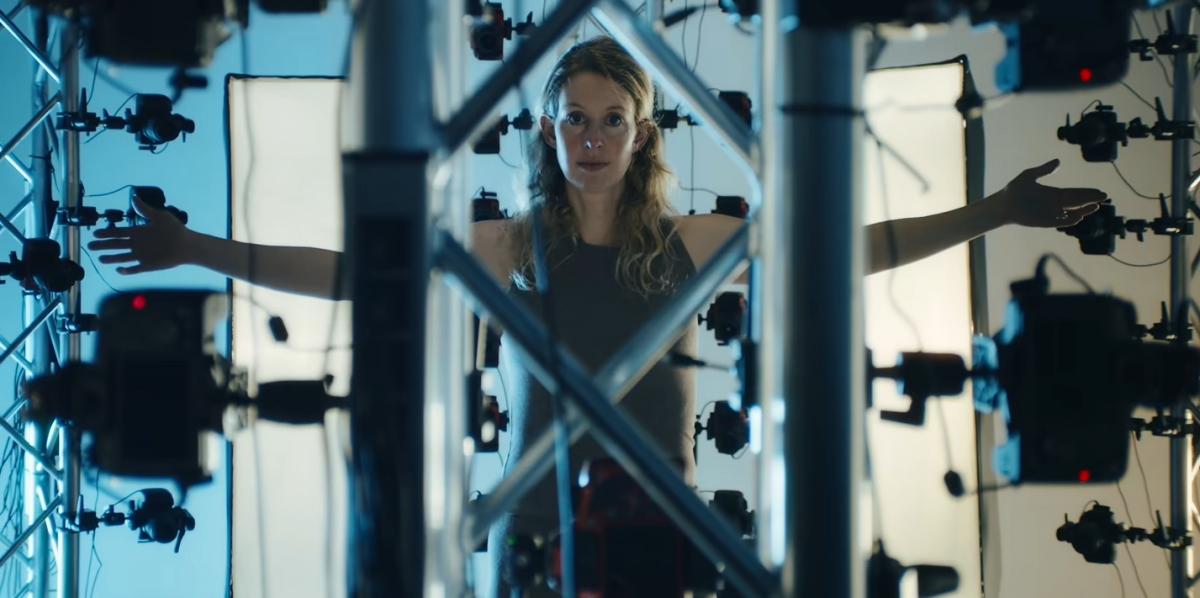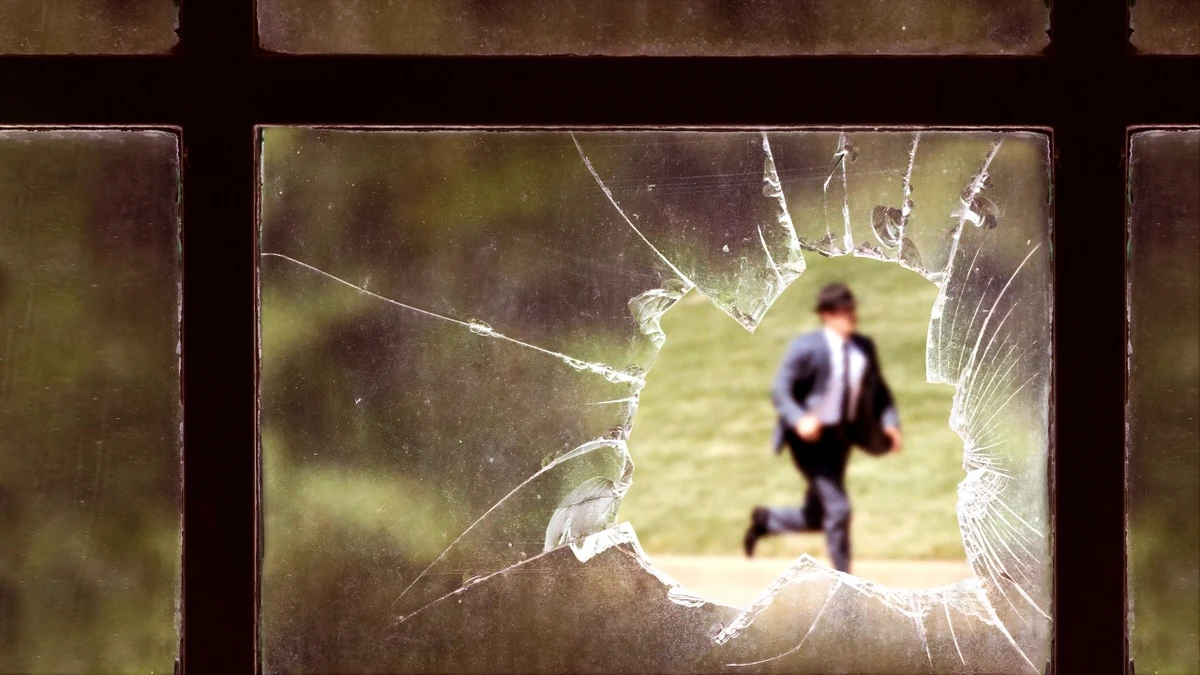
James Franco stars as a time-traveling schoolteacher in "11.22.63," a Stephen King miniseries that follows Jake Epping, a teacher who uses an experimental time machine to travel back to 1960 in the hope of stopping the assassination of President John F. Kennedy on the date that gives the show its title, November 22, 1963.
The story is based on King's novel of the same name, published in 2011, which was later adapted into a miniseries that aired on Hulu in 2016, with Franco taking on the lead role of Epping.
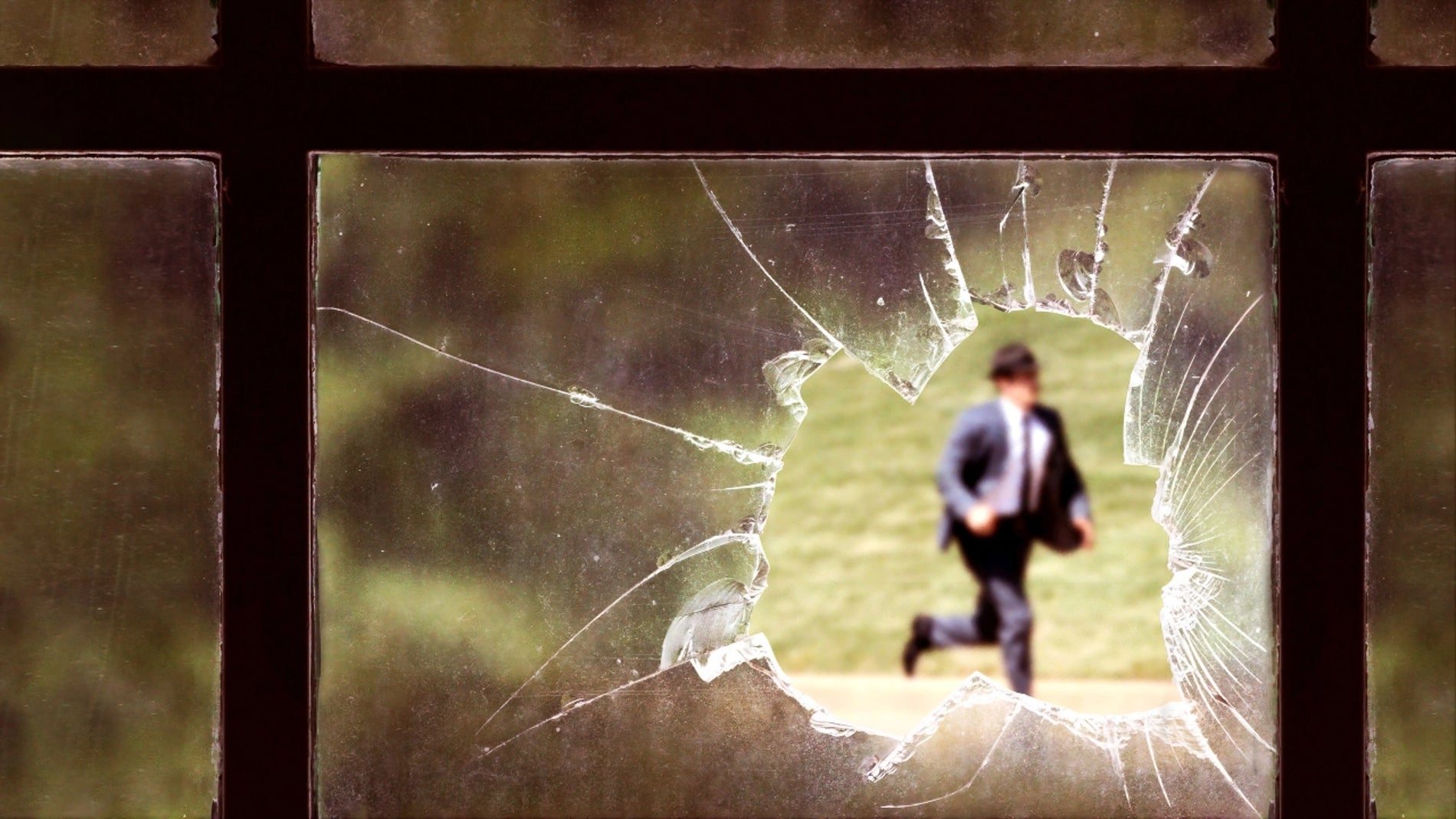
Kennedy's assassination in Dallas, Texas, remains one of the most examined events in modern American history, surrounded for decades by conspiracy theories and revisited again and again in books, documentaries and works of fiction. King's novel imagines a version of events in which someone actually gets the chance to change them.
The premise sounds simple, but the situation grows steadily more complicated for Epping as the story unfolds. Franco's character ends up growing attached to his new life in the 1960s, and he becomes unsure whether he wants to go through with his plan, since succeeding would mean giving up that life and returning to his own time.
A Rare Success in Time Travel Fiction
Few areas of science fiction are as difficult to write convincingly as time travel. Portraying it correctly is complicated by the numerous contradictions and paradoxes built into the concept itself, and narrative imbalances or logical holes are common in stories that attempt it. Very few manage to avoid them entirely.
Dark, the German science fiction series released internationally by Netflix, follows several generations of characters across intertwined timelines and is often held up as the show that best managed this kind of complex, interwoven storytelling. "11.22.63" is cited as another production that rose to the same challenge, even though it tends to be overlooked when the genre's best time-travel stories are discussed.
From Horror to Science Fiction
Stephen King is best known as the author behind some of the most popular horror novels ever written, many of which, like "It," "The Shining" and "Carrie," have themselves been turned into successful films and series. Despite that reputation, King has never shied away from exploring other genres and concepts.
That willingness is exactly what drives "11.22.63." The novel shows King handling science fiction, a genre especially known for its complexity, with real confidence, and the time-travel mechanism at the center of the plot works exceptionally well throughout the story.
Striking the Right Balance
Time travel stories tend to swing toward one of two extremes. Some become extremely complex and technical, weighed down by rules and mechanics that can overwhelm casual viewers. Others stay simplistic, keeping a lighthearted tone that never fully grapples with the implications of changing the past.
The greatest strength of "11.22.63" is that it found a near-perfect balance between those two extremes. The series offers a fictional take on time travel that stays closely tied to a recognizable reality, grounded in a historical moment audiences already know, without ever becoming so complicated that it overshadows the emotional core holding the story together.
That balance is what makes the adaptation worth revisiting. Even though he is far better known as the king of horror, Stephen King proved with "11.22.63" that he can be trusted to handle one of science fiction's most difficult and unforgiving devices, the time machine, and everything that comes with it.
Test yourself
Who plays Jake Epping in '11.22.63'?
What event does Epping try to prevent by traveling back to 1960?
Which series is cited as another example that handled complex time-travel storytelling well?
Have your say
What draws you most to time travel stories like '11.22.63'?