

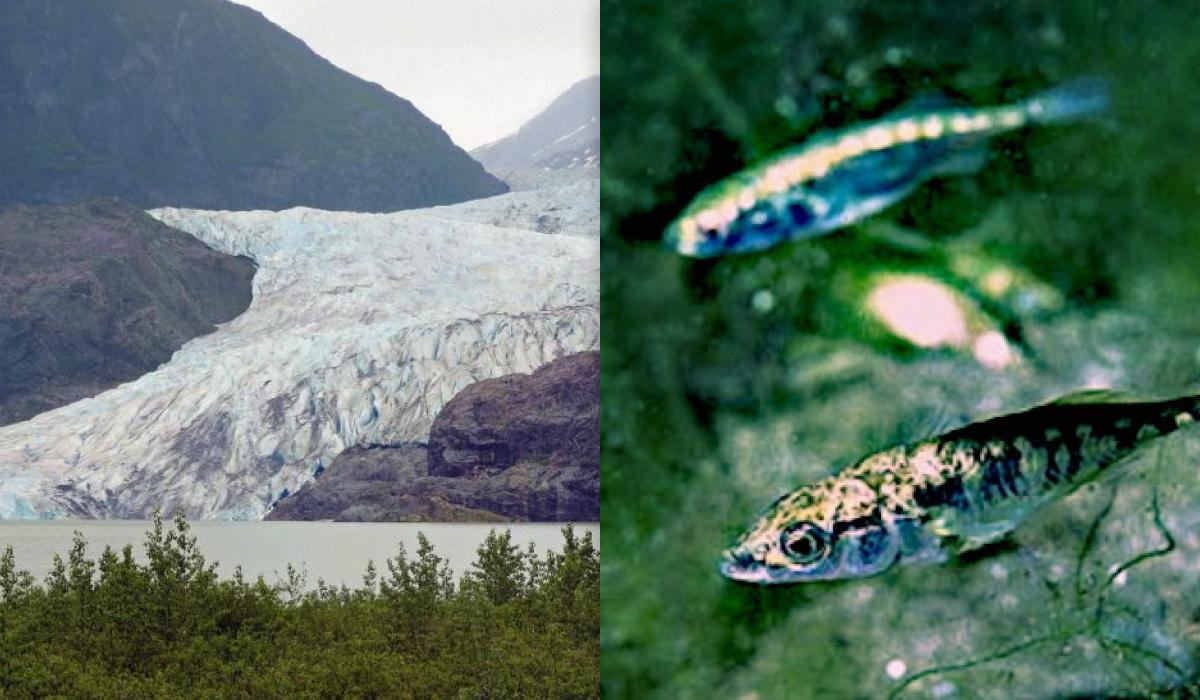
The Great Alaska Earthquake of March 27, 1964, did more than reshape the coastline of Prince William Sound, it also set off a burst of rapid evolution in local fish, according to research reported by ScienceBlog.com.
The magnitude 9.2 quake struck the seabed off Alaska and lasted about four and a half minutes. The United States Geological Survey still regards it as the most powerful earthquake ever recorded in the country, and the second largest ever recorded anywhere in the world, behind only the 1960 earthquake in Chile.
Seafloor thrust upward
Around Montague Island, the quake pushed the seafloor upward. USGS geologists estimated the local seabed rose by 3.7 to 4.3 metres, with some stretches of coastline lifted by as much as 11 metres.
Saltwater that had been part of the open ocean just hours earlier was left stranded above the tide line by the next morning. Over time it turned fresh as rain and melting snow diluted it, and in some of these newly formed ponds, fish were trapped.
Sticklebacks adapt to new ponds
Threespine sticklebacks, silvery fish about the length of a finger and armoured from gills to tail with a row of bony lateral plates, took up residence in the isolated water. The new ponds offered fewer predators than the ocean, no salt, and winters that left the surface covered in ice for months at a time.
Fifty years later, Emily Lescak, then a researcher at the University of Alaska, led a team to the hard-to-reach islands to find out how the trapped sticklebacks had fared. The scientists sampled more than 1,000 fish and analysed over 130,000 individual differences in their DNA.
Fifty years of change
The team made two discoveries at once. First, they confirmed the pond fish were indeed descendants of the local ocean sticklebacks. Second, they found that these young populations had already diverged from their ocean ancestors by nearly as much as freshwater sticklebacks that emerged thousands of years ago as glaciers retreated from the region.
According to the researchers, the fishes' eyes, body shape, colouring, bone size and armour had all changed significantly. Much of the difference in armour traced back to a single gene called Ectodysplasin, which tells a developing fish how many bony plates to grow.
A genetic switch, not a new gene
The scientists said the change was driven by a regulatory switch, a small adjustment in the DNA that tells the gene where to activate rather than altering the gene itself. Variants of this switch that lead to fewer plates occur at low frequency in marine fish around the world.
Susan Bassham, a senior scientist in the Cresko lab, said the finding amounted to a genuine genetic reorganisation. In further work, she described how the same large regions of the genome that rearranged in the earthquake-formed ponds had also rearranged in lakes that are far older.