A new historical drama, "Alexander I," opens in Russian cinemas on November 26, portraying the emperor who defeated Napoleon Bonaparte as a larger-than-life hero of Russian history. The film is notable for an unusual format: alongside the period drama, commentators including filmmaker Nikita Mikhalkov, writer Sergei Minaev and Foreign Minister Sergei Lavrov appear on camera to discuss the tsar's decisions.
The film runs 2 hours and 20 minutes and was directed by Morad Abdel-Fattah. It stars Sergei Goroshko as Alexander I, Vitaly Kishchenko as his father Paul I, along with Polina Kutepova and Saveliy Kudryashov.
A bloody succession opens the film
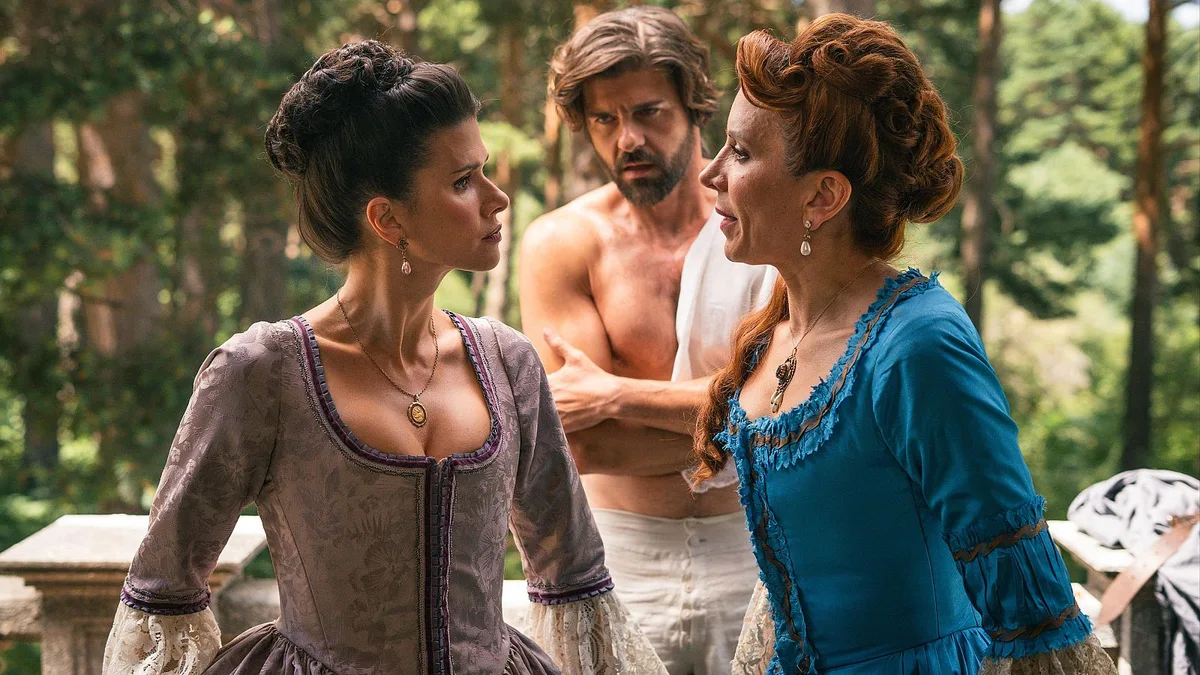
The story opens on the night of March 12, 1801, when a dozen conspirators led by Count Pyotr Pahlen, played by Mikhail Evlanov, burst into Emperor Paul I's chambers and demanded he abdicate the throne. When Paul resisted, Nikolai Zubov struck him on the head with the snuffbox that became infamous in Russian history. The following morning, it was announced that Paul had died of an apoplectic stroke, and his son Alexander, played by Goroshko, became heir to the throne.
The film pointedly rejects the legend that Alexander later faked his own death and lived on as the hermit Fyodor Kuzmich, a story the production treats as unnecessary mysticism for its narrative.
Fourth film in a growing franchise
"Alexander I" is the fourth entry in the "Rus" film cycle. The first was Andrei Kravchuk's "Peter I: The Last Tsar and First Emperor," released in November 2022 to mark the 350th anniversary of Peter the Great's birth. That film mixed historical reenactment, starring Ivan Kolesnikov as Peter alongside Igor Gordin as Menshikov and Ivan Dobronravov as Tsarevich Alexei, with commentary from contributors such as Sergei Minaev, former defense minister Sergei Shoigu and economist Alexander Auzan. The hybrid documentary-drama approach helped the film become a box office record-holder for the genre, earning 275 million rubles.
Three further films followed, focused on Russia's 18th-century empresses: Catherine I, played by Ksenia Utekhina; Anna Ioannovna, played by Anna Ukolova; and Elizabeth Petrovna, played by Yulia Peresild. Catherine the Great later received her own dedicated film, with the role shared by Olga Lerman and Anna Mikhalkova. At that stage the production team changed roles, with Kravchuk becoming the series' artistic director while cinematographer Morad Abdel-Fattah took on directing duties alongside his camera work.
A shared cinematic universe
By the fourth film, the "Rus" cycle has become something close to a cinematic universe. "Alexander I" brings back Anna Mikhalkova as the hero's grandmother, Catherine the Great, and gives a brief appearance to Anna Ukolova's Anna Ioannovna. Ksenia Utekhina also returned to play an empress in the recent "Birth of an Empire." Notably, Vitaly Kishchenko, who plays Paul I here, played Alexander I himself seven years earlier in Kravchuk's "Union of Salvation."
A comic-book take on history
The film leans into the genre of the historical comic book, opening with the violent circumstances of Alexander's accession to cast him as something close to a Russian Thor or Bruce Wayne. His relationship with Napoleon, played by Dmitry Kartashov, is framed in similarly comic-book terms, drawing on the fact that even during wartime the two emperors addressed each other as "my brother."
Celebrity commentators weigh in
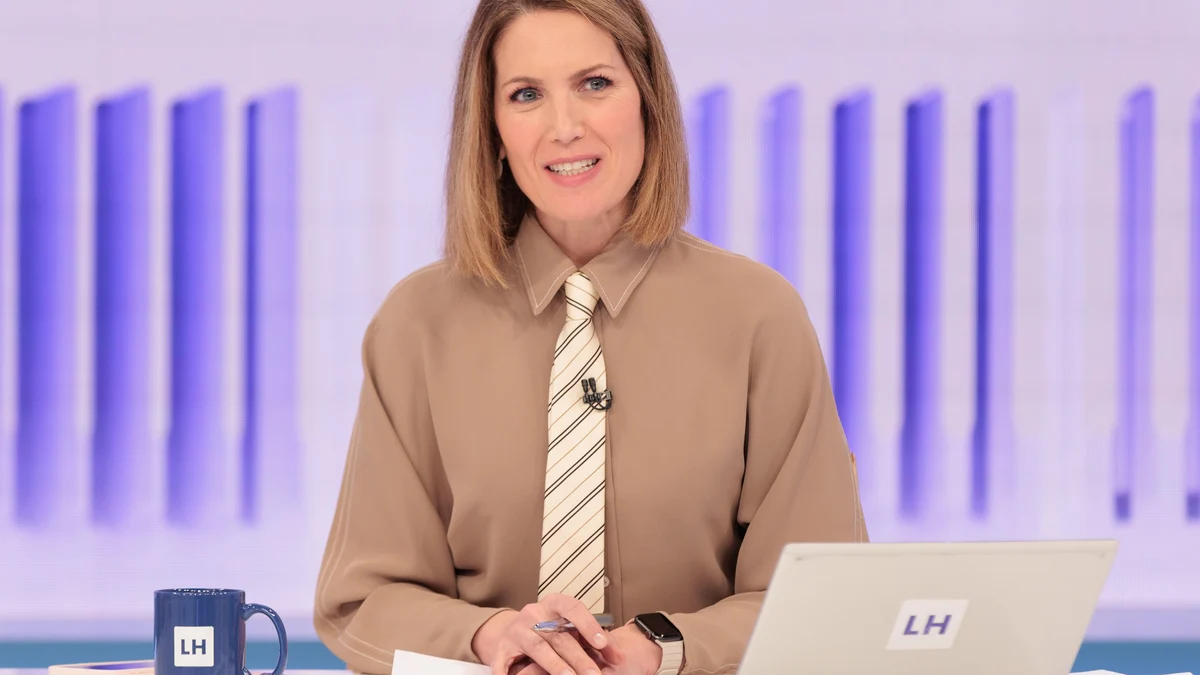
Minaev returns as a commentator alongside Andrei Klishas, joined this time by Nikita Mikhalkov and Sergei Lavrov. Mikhalkov focuses on Alexander's psychological motivations and, toward the end of the film, wonders aloud what it would be like to play the emperor himself. Lavrov serves as the expert on international affairs, discussing matters he is personally familiar with. Historians Yevgeny Anisimov and Boris Kipnis also appear, though they are somewhat overshadowed by the more prominent commentators.
Visual style and historical cameos
The film shifts between computer-generated sets and real historical locations including Gatchina, Kuskovo and Kazan Cathedral, mixing in infographics and sequences styled after the Total War video game series to depict the Patriotic War of 1812. Minaev describes the demonization of Napoleon as "the first PR campaign in history." Minor historical figures appear briefly, including a young Alexander Pushkin, the reformist state secretary Mikhail Speransky and Prince Mikhail Kutuzov. Historian Nikolai Karamzin and his work "History of the Russian State" receive comparatively little attention.
The film emphasizes that Alexander I was the only Russian monarch to ride triumphantly into Paris, and frames this as proof that Russia "continued its historical path as a superpower, one of the centers of world civilization."
What comes next for the franchise
The makers of the "Rus" cycle plan to continue with a film about Alexander III, described as Nikita Mikhalkov's favorite tsar, with the role to be played by Alexander Ilyin Jr.
What happens next
The makers of the "Rus" franchise plan to follow "Alexander I" with a film about Alexander III, starring Alexander Ilyin Jr.
Test yourself
Who directed "Alexander I"?
How much did "Peter I: The Last Tsar and First Emperor" earn at the box office?
Who plays Napoleon in "Alexander I"?
Where it happened
Moscow, Russia