

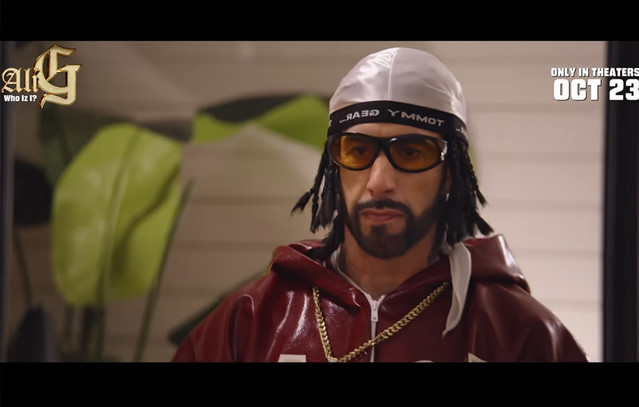
Sacha Baron Cohen's comeback as Ali G has triggered a wave of criticism in Britain, with campaign groups urging cinemas to refuse to screen his new film before it has even opened. Critics say the character relies on offensive stereotypes of Black British and Jamaican culture.
The film, titled "Ali G: Who Iz I?", is due in cinemas on October 23. It will be the character's first feature-length appearance since "Ali G Indahouse" in 2002.
The Campaign Against the Film
The boycott campaign was launched by NewsCord, a British media monitoring platform. The group argues that Ali G is not a harmless comic figure but a caricature that borrows from Black culture purely to get laughs.
Critics point out that Baron Cohen, who is white, wears fake dreadlocks, uses Jamaican patois and links the character to cannabis use, sexism and social irresponsibility. As part of the campaign, tens of thousands of messages have reportedly been sent to major cinema chains asking them not to schedule the film.
Picturehouse, a chain with 25 cinemas across Britain, said it currently has no plans to show the film. The company did not say whether its decision was directly linked to the backlash.
Who the Satire Really Targets
Supporters of Baron Cohen offer a different reading of the character. They stress that Ali G was never presented as Black, but as an ignorant white young man from Staines in England who clumsily and exaggeratedly apes hip-hop and Jamaican culture.
Under this view, the target of the satire is not Black Britons but white young people who adopt a shallow, stereotyped version of Black identity for show.
Ali G first appeared in 1998 on the British television programme "The 11 O'Clock Show". He later became widely known through "Da Ali G Show", in which he interviewed politicians, scientists and celebrities who were often unaware that Ali G was a fictional character. Through absurd questions, Baron Cohen sought to expose their embarrassment, prejudice or hypocrisy.
Dated Humour or Timely Satire?
The debate goes beyond accusations of racist stereotyping. Several commentators have questioned whether a comic character created almost 30 years ago can still work the same way today.
Public discussion around race, cultural appropriation and representation has shifted considerably since the late 1990s, and jokes once seen as bold or subversive are now met with far more caution.
Those defending the film, on the other hand, say it is excessive to call for a ban before it has even been released. They argue audiences should be able to watch the film and form their own opinion.
Baron Cohen's Response
Baron Cohen responded to the backlash with irony, saying that at a time when a comedian's career can be destroyed by a single "politically incorrect" joke, he decided to "play it safe" and bring back Ali G.
The new film will show whether the cult character can adapt to today's climate or whether its humour belongs firmly to a different era. Until then, the controversy is already serving as powerful, if divisive, publicity for Ali G's return.


