

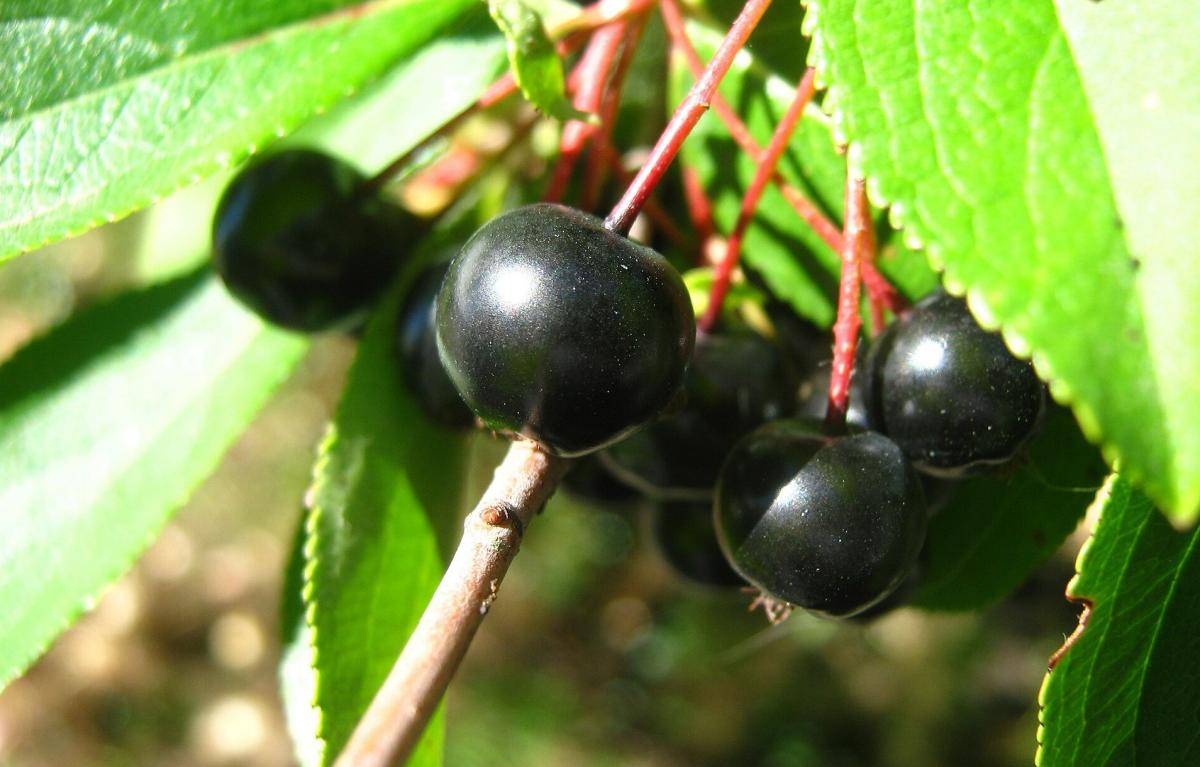
Home cooks are being advised to harvest aronia berries and prepare homemade juice for the winter during the fruit's brief annual ripening window, according to media outlet halo tu polsa.
The publication reported that aronia season lasts for a short period, typically spanning from the second half of August into September. During this timeframe, the berries reach peak flavor and contain their highest concentration of valuable nutrients.
Aronia, commonly known as chokeberry, is a genus of deciduous shrubs in the rose family Rosaceae native to North America and widely cultivated across Eastern Europe. The fruit is renowned for its intense astringency when raw, a mouth-drying quality caused by high concentrations of plant tannins.
While fresh aronia berries taste quite bitter, halo tu polsa noted that processing transforms their flavor profile. The fruit is valued as one of the richest natural sources of antioxidants among cultivated fruits, containing high levels of polyphenols and anthocyanins alongside vitamin C, vitamin K, and dietary fiber.
Anthocyanins are natural pigments responsible for the deep purple and black colors found in dark berries, while polyphenols are plant compounds known to help protect human cells from oxidative stress. Because of these health benefits, households frequently prepare aronia preserves each year to support winter nutrition.
Preparing aronia juice at home
For berries that taste excessively tart, the publication recommended placing them in a freezer for 24 hours prior to cooking. This cold treatment softens the characteristic bitterness and yields a milder juice.
The recommended recipe requires two kilograms of aronia berries, one liter of water, between 400 and 700 grams of sugar depending on personal taste, and the juice of one lemon.
To prepare the juice, the berries must be thoroughly washed, transferred to a large saucepan with the water, and simmered on low heat for approximately 20 to 30 minutes.
After cooling slightly, the mixture should be strained through a sieve or cheesecloth before adding the sugar and lemon juice. The liquid is reheated while stirring until the sugar completely dissolves, then poured hot into sterilized bottles or jars, sealed tightly, turned upside down for several minutes, and stored in a cool, dark place.
In thermal food preservation, turning freshly filled hot jars upside down helps create a vacuum seal as the trapped air cools, preventing contamination from airborne microorganisms.
Serving suggestions and alternative preserves
The resulting juice is most frequently consumed diluted with water, though it also serves as an addition to hot tea, oatmeal, yogurt, or homemade lemonade. Due to its concentrated flavor, only a small quantity is needed to enhance beverages and desserts.
Beyond traditional juice, halo tu polsa stated that home cooks are increasingly making aronia jams, jellies, syrups, and mousses for pancakes or porridge. The publication highlighted that the fruit's astringent profile pairs exceptionally well with apples, pears, raspberries, or plums, resulting in preserves with a much smoother taste.
Additional expert household advice
In separate guidance, experts explained how to clean limescale build-up from taps using a mixture of vinegar and cinnamon as effective cleaning helpers. Experts also advised on daily plum consumption, recommending that eating one to two plums per day is quite sufficient.
Vinegar contains acetic acid, which reacts with calcium carbonate mineral deposits to dissolve stubborn limescale on household fixtures without harsh chemical cleaners.


