

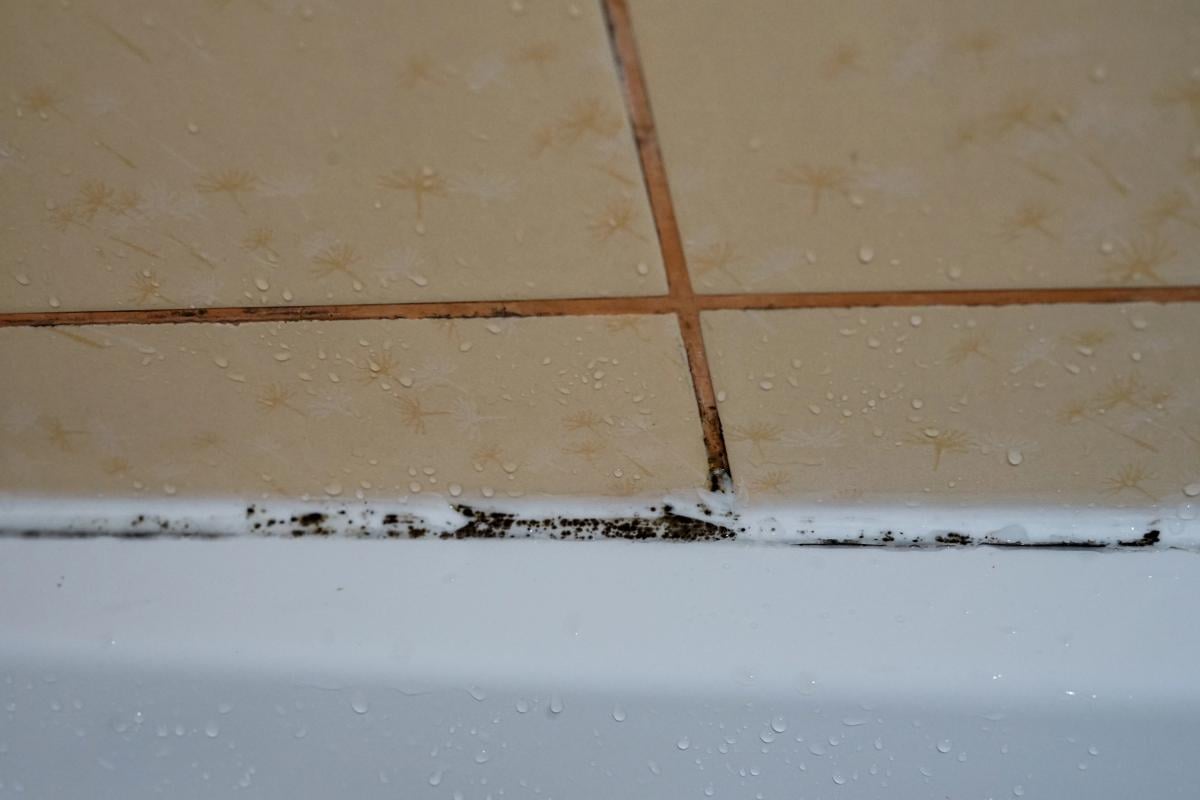
Black mold on bathroom tile grout can be removed using a combination of baking soda and hydrogen peroxide instead of buying expensive chemical products, Hungarian lifestyle website bien.hu reported.
The recommended cleaning solution requires mixing approximately four tablespoons of baking soda with enough hydrogen peroxide to create a thick paste similar in texture to toothpaste.
Applying the paste directly to dark spots using an old toothbrush or small brush allows the mixture to penetrate tile seams, where it should be left for 20 to 30 minutes so that it works effectively without drying out completely.
Removing grout stains safely
According to the report, the mildly alkaline chemical properties of baking soda break down grime and mold deposits, while hydrogen peroxide bleaches the stain to restore the original white shade of the grout.
Baking soda, known scientifically as sodium bicarbonate, is a widely used domestic abrasive, whereas hydrogen peroxide serves as a mild bleaching agent and disinfectant in household cleaning routines.
After letting the mixture rest, the grout lines should be gently scrubbed with the brush, rinsed with warm water, and wiped dry with a towel to prevent remaining moisture from lingering on the surface.
For stubborn or deeply set discoloration, the treatment can be repeated the following day, though noticeable improvements typically appear after the first application.
Chemical safety and ventilation guidelines
While baking soda and hydrogen peroxide form a safe combination, cleaning specialists warned against combining chlorine-based tile cleaners with other chemical products, particularly those containing ammonia.
Mixing chlorine with ammonia generates toxic chemical gases that pose serious health risks in enclosed spaces.
If a chlorine-based product is used after treating tile seams, the grout must first be thoroughly rinsed and dried, and the bathroom must remain well ventilated throughout the process.
Causes of bathroom mold growth
Bathrooms are primary breeding grounds for mold and mildew due to persistent heat, high humidity, and the porous nature of grout, which retains moisture for several days.
Poor ventilation further exacerbates mold problems, as bathrooms lacking windows or frequently run exhaust fans fail to circulate air, leaving moisture trapped inside walls and tile joints for weeks.
Further household maintenance advice
The publication also highlighted previous advice from household experts on managing pantry moths, noting that the insects commonly infest dry food storage areas containing flour, rice, pasta, and muesli.
Additionally, specialists offered guidance on replacing home air conditioners, recommending models with combined cooling and heating functionality as a versatile option for year-round temperature control.


