

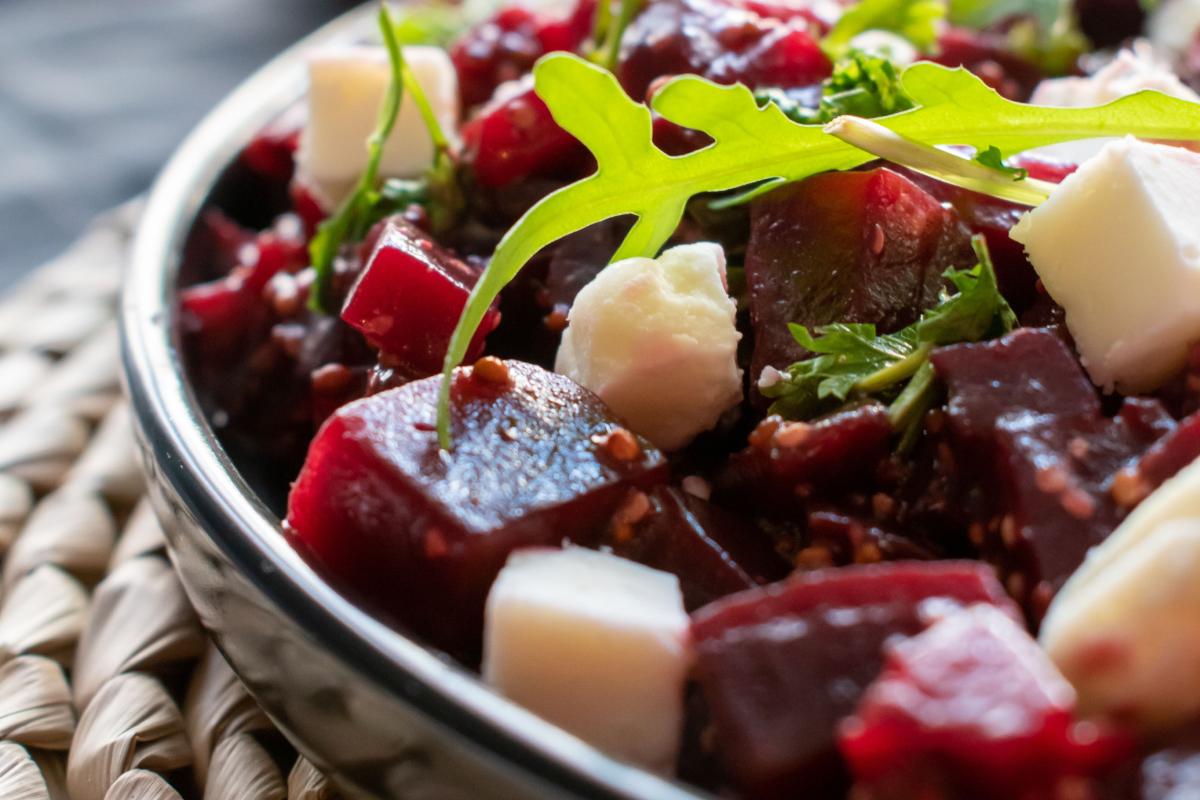
Boiling beetroot in shallow, unsalted water at medium heat keeps the vegetable sweet, firm, and brightly colored while protecting up to half of its essential nutrients.
Culinary guidance recommends filling the pot only halfway or two-thirds full and boiling medium-sized beets for 40 to 50 minutes. Adding small amounts of cold water during cooking and placing the roots in a cold bath afterward helps preserve their natural sugar and texture.
Nutrient loss from deep boiling water
Many home cooks submerge whole beets in deep water over high heat to speed up preparation, believing that longer cooking times produce softer roots. However, boiling water easily penetrates the vegetable while internal nutrients migrate outward into the liquid. Cooking tests indicate that improper boiling can cause beetroot to lose between 20 percent and 50 percent of its potassium, magnesium, phosphorus, and sodium, alongside iron, zinc, trace minerals, and amino acids.
Excessive boiling water also washes away up to a third of the natural sugar present in the vegetable. Keeping the water level lower, so that liquid reaches only halfway or two-thirds up the side of the root, minimizes this chemical exchange. When preparing large beets that sit partially above the water line, turning the root over once or twice during boiling ensures that all sides steam evenly.
Beetroot, known scientifically as Beta vulgaris, is a staple root vegetable across Eastern European and international cuisines. Valued in cooking for its distinct earthy sweetness and high concentrations of minerals, the vegetable is widely used in soups, side dishes, and traditional salads. Minimizing fluid transfer during preparation ensures these nutritional benefits remain inside the root rather than leaching into discarded cooking water.
Why salt ruins beetroot texture and color
Adding salt to the cooking pot is a frequent mistake that degrades both the structure and appearance of the beet. Although salted water can decrease overall cooking time, sodium ions enter the root tissue and force out essential potassium and magnesium. This mineral exchange causes the vegetable to lose its natural sweetness and rich color, turning dark and brownish during cooking.
Salted cooking liquid also affects texture unpredictably. Prolonged boiling in salted water renders the vegetable mushy and overcooked, whereas shorter boiling times leave the fibers tough and stringy. Because salt is added later when building salads or side dishes, adding salt to the boiling pot also makes it easy to accidentally over-season the final meal. For these reasons, many cooks prefer roasting beets in an oven to lock in flavor and appearance.
The deep red hue of beetroot comes from betalains, a group of water-soluble plant pigments that are sensitive to thermal breakdown and chemical changes. Preserving these pigments requires careful control of heat and liquid composition, preventing the brownish discoloration that occurs when salt disrupts cellular stability.
Proper timing and temperature control
Because beetroot is a dense root vegetable, it requires moderate heat rather than violent boiling or multi-hour stewing. Extended exposure to high heat steadily degrades minerals, sugars, amino acids, and vivid pigments. Maintaining a steady medium heat for 40 to 50 minutes after boiling begins is generally sufficient for medium-sized roots, while larger roots require only slightly more time.
Specific preparation steps further prevent moisture loss and ensure even cooking:
- Leave the root tail intact before cooking, as cutting off the end creates an open cut that lets internal juices leak into the water.
- Check for doneness by inserting a fork into the center of the root, which should enter smoothly without force.
- Pour half a glass of cold water into the cooking pot every 20 to 30 minutes to moderate temperature and help the root cook through evenly.
Cooling techniques for salads
Once the vegetable reaches tenderness, the hot liquid must be drained completely. Placing the hot beet under cold running water or in a cold bath for 15 minutes prevents it from absorbing excess water and stops residual internal cooking.
Properly prepared beets are essential for dishes such as vinegret, a traditional salad made with diced beetroot, potatoes, carrots, pickles, and oil. Retaining the natural sweetness, firm texture, and deep red color of the beetroot prevents it from becoming watery or staining adjacent ingredients excessively, resulting in a cleaner and more flavorful final dish.


