


Brussels sprouts contain significantly more vitamin C per serving than oranges and lemons, according to a nutritional report published by health outlet Planeta.
A 100-gram serving of Brussels sprouts delivers between 85 and 90 milligrams of vitamin C, compared to approximately 50 to 55 milligrams found in the same quantity of citrus fruits. The cruciferous vegetable also provides about 177 micrograms of vitamin K per 100 grams, far exceeding the levels found in most other common vegetables.
Planeta reported that the vegetable, a cultivar of cabbage cultivated for its small edible buds that grow in clusters along the plant central stem, serves as a dense source of vital nutrients. Beyond its high vitamin concentration, the vegetable contains substantial amounts of dietary fiber, manganese, folates, and sulfur-based compounds that support overall physical well-being.
Vitamin C, also known as ascorbic acid, is an essential nutrient that human bodies cannot synthesize independently. It plays a fundamental role in strengthening immune defenses, fighting oxidative stress caused by free radicals, and stimulating collagen synthesis required for healthy skin, blood vessels, and joint cartilage. Vitamin K is vital for bone mineralization and regulating blood coagulation pathways in the human body.
According to the publication, Brussels sprouts contain sulfur compounds known as glucosinolates, which are characteristic of the cruciferous vegetable family. These compounds act as powerful antioxidants that enhance the natural protective mechanisms of human cells against oxidative damage. The vegetable also assists in weight management because its high fiber content promotes lasting satiety while maintaining low calorie and low sugar levels.
The high fiber density further benefits gastrointestinal health by enhancing intestinal motility, nourishing the gut microbiome, and helping individuals feel full for longer periods after eating.
Cooking methods to reduce bitterness and preserve nutrients
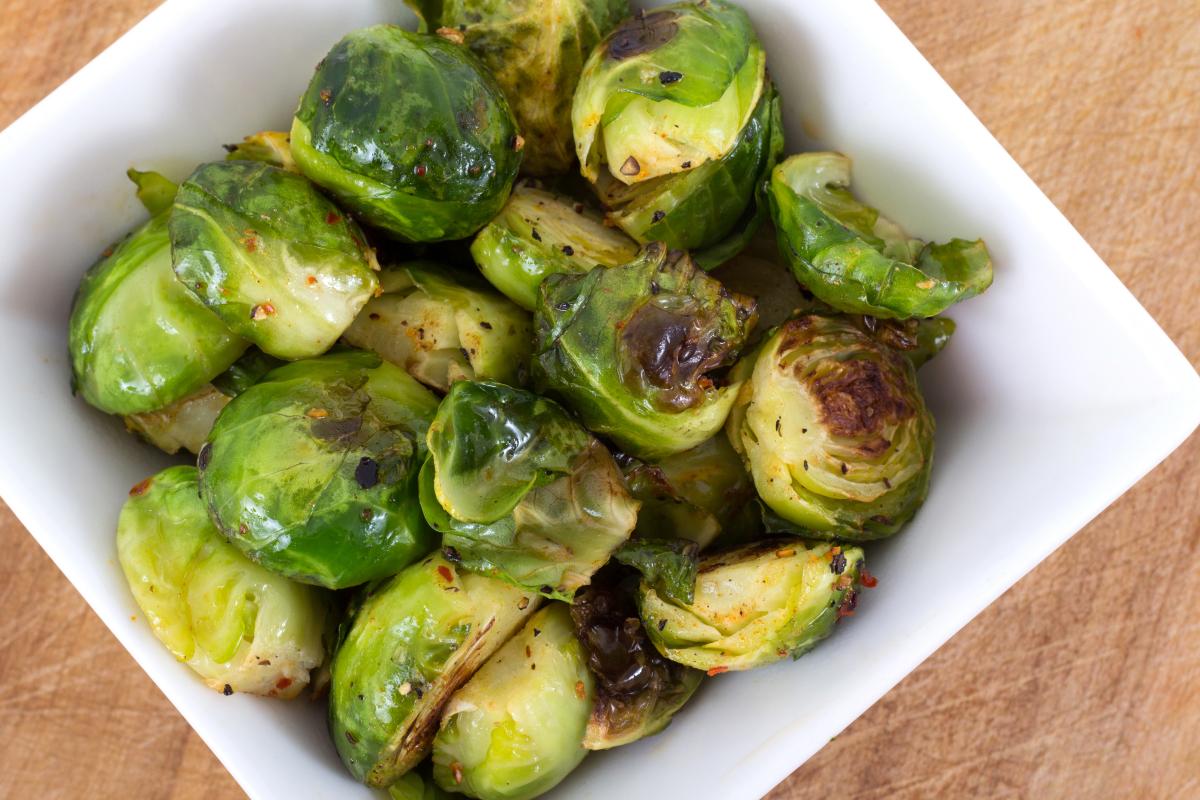
Thermal processing transforms the taste profile of Brussels sprouts by reducing their natural bitterness, softening their texture, and making them easier for the stomach to digest. Planeta highlighted oven roasting as the most effective and popular technique for preparing the vegetable.
To roast Brussels sprouts, cooks should cut the heads in half, toss them with olive oil, salt, and minced garlic, and bake them at a high temperature of roughly 200 to 220 degrees Celsius. High-heat roasting triggers caramelization, a process where heat breaks down complex carbohydrates into natural sugars, turning the outer leaves crispy while mellowing bitter notes.
Steaming offers another healthy option that retains a greater proportion of water-soluble nutrients, such as vitamin C, though it preserves a stronger vegetable flavor. Pan-frying in a skillet with butter, bacon, chopped nuts, or grated Parmesan cheese provides a savory contrast that balances the inherent sharp notes of the sprouts. For a richer flavor experience, Planeta recommended incorporating lightly roasted or blanched sprouts into salads, or combining them with other brassicas in hearty one-pot dishes.
Digestive sensitivities and proper preparation guidelines
While Brussels sprouts offer extensive nutritional advantages, they can also cause gastrointestinal discomfort. The combination of dietary fiber and fermentable carbohydrates in the vegetable can lead to abdominal bloating and excess gas, particularly in individuals with sensitive digestive systems or irritable bowel syndrome.
Planeta cautioned against overcooking the vegetable, explaining that prolonged boiling degrades fragile vitamin C molecules and spoils overall taste. Nutritionists advise brief steaming or high-heat roasting instead. Because raw sprouts can prove difficult for the digestive system to break down initially, experts recommend starting with small portions to monitor personal tolerance before increasing intake.


