


The proportion of water and fat in butter directly dictates how the dairy product performs during cooking and baking, with different fat levels suited to very different culinary tasks, according to consumer reporting by news website Ziare.com.
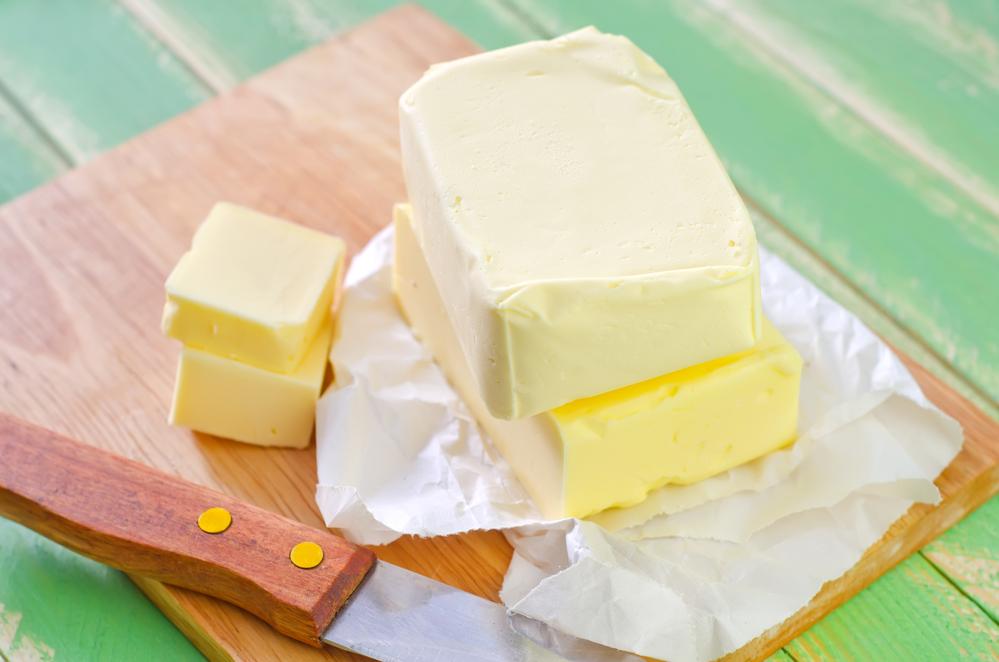
While butter containing an 82 percent fat content provides the rich concentration needed for complex baking, lower-fat varieties with 65 percent fat carry higher moisture levels that make them better suited for simple everyday meals.
According to available industry data cited in the report, genuine butter must contain between 80 percent and 90 percent milk fat and no more than 16 percent water. Products manufactured with a lower fat percentage formally belong to separate product categories under food standards, although consumers frequently refer to them as butter in daily household language.
How Fat Ratios Impact Baking
Butter is produced by separating solid milk fat from the liquid portion of milk during processing. That exact balance between fat and water determines how the ingredient behaves when mixed into doughs and exposed to heat. In traditional baking, fat coats flour proteins to keep textures tender, whereas higher water content can activate gluten formation or create excess steam during baking.
For precision baking recipes such as cakes, cookies, tartlets, croissants, puff pastry, and shortcrust pastry, butter with an 82 percent fat level is the recommended option. The reduced moisture content allows dough to achieve a rich, delicate texture while helping baked goods rise evenly and brown uniformly inside the oven.
Daily Uses and Unsalted Varieties
Conversely, butter containing approximately 65 percent fat content is more appropriate for routine daily use and uncomplicated dishes. It works well when spread on sandwiches, used to cook omelettes, or applied for light food frying. However, culinary guidelines advise against using 65 percent fat butter as a substitute for 82 percent butter in confectionery recipes, as the higher water content can significantly alter the final outcome.
For baking applications, experts also advise home cooks to select unsalted butter. Choosing an unsalted variety makes it easier to control the precise quantity of salt in a finished dish, as commercial salted butter brands contain varying sodium levels. If a recipe explicitly specifies butter with an 80 to 82 percent fat content, replacing it with a product containing a lower fat percentage can alter both the structural texture and the overall success of the meal.
The advice aligns with previous culinary guidance on fundamental kitchen techniques, including tips for preparing traditional pilaf by choosing quality ingredients and determining whether to cook meat or onions first to achieve an aromatic, rich, and crumbly dish.


