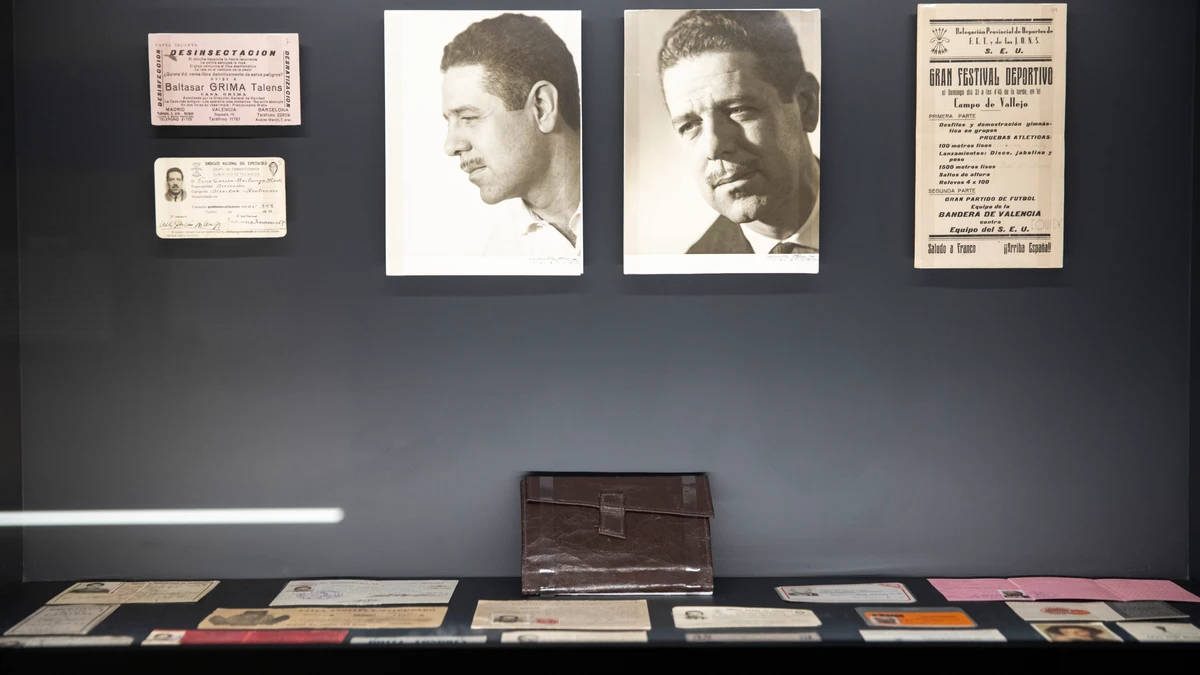
CaixaForum Madrid has opened an exhibition dedicated to Spanish filmmaker Luis García Berlanga, titled "Interior Berlanga. Cine, vida y humor," staged in collaboration with Filmoteca Española, Spain's state film archive. The show can be visited until 27 May.
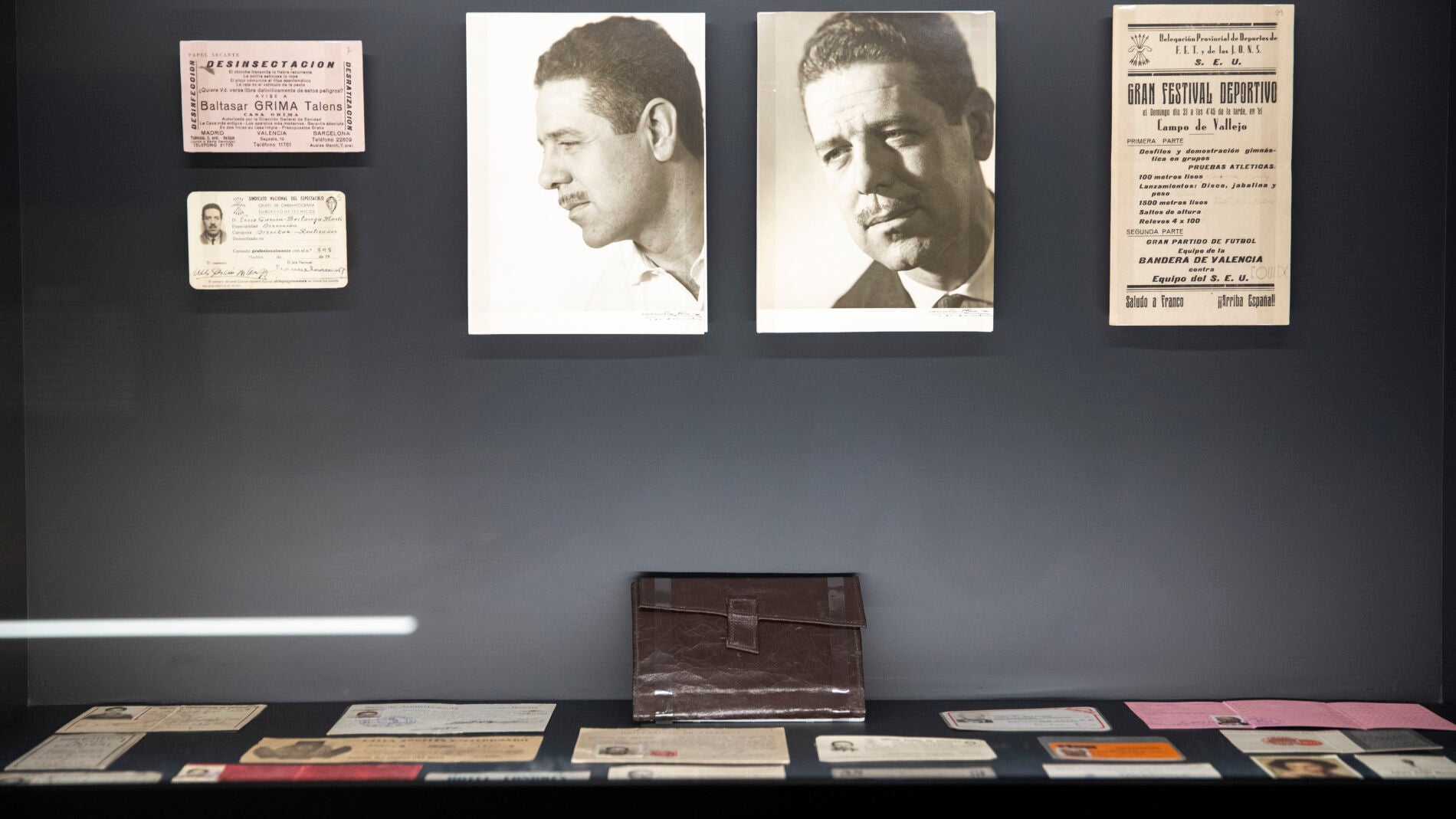
The exhibition brings together more than 220 original pieces from Berlanga's personal archive, including documents, scripts, photographs, original posters, storyboards, letters and poems.
Among the items on display is the handbill Berlanga designed for "¡Bienvenido, Mr. Marshall!," shaped like a US one-dollar bill and bearing the faces of actors José Isbert, Lolita Sevilla and Manolo Morán. Exhibition curator Bernardo Sánchez Salas told those gathered at the presentation that the American delegation at Cannes ended up filing a complaint against the filmmakers, accusing them of counterfeiting money.
"¡Bienvenido, Mr. Marshall!" is considered a classic of Spanish cinema. Its selection at the Cannes festival brought it the best comedy award and a special mention for its screenplay, which is why Berlanga created the dollar-shaped handbill for the film's international promotion.
Sol Carnicero, a pioneering film producer who worked alongside Berlanga, a founding member of Spain's Film Academy and co-curator of the exhibition together with Sánchez Salas, recalled that the director used to joke with his crew, telling them he would give them a dollar for everything that went right during a shoot. She said she told him she would rather have a small plot of his Somosaguas house on Avutarda street, which he agreed to, and that whenever something on set went badly, he would symbolically take pieces of that plot back.
A staging built like one long shot
The exhibition, produced with the support of Filmoteca Española, is laid out as a single long sequence shot, a nod to one of Berlanga's own narrative trademarks. The scenography was designed by Carles Berga, and the show is divided into an introduction and nine separate sections.
José Luis García-Berlanga, the director's son, himself a filmmaker and cook, attended the presentation at the exhibition centre. He joked that his father kept everything, saying he had "a Phoenician spirit."
Decades in storage
After Berlanga died sixteen years ago, his papers and belongings were left in more than seventy boxes. Those boxes have since been opened, catalogued, digitised and studied as part of a project overseen by Filmoteca Española, the body attached to Spain's Ministry of Culture responsible for preserving the country's film heritage, which lent the material for the exhibition.
José Luis García-Berlanga, who personally oversaw the audiovisual material screened in each section of the show, said the archive was not only about his father but about twentieth-century Spain as a whole.
From office supplies to a roll of tape
Among the more than 220 pieces on show is a document titled "Material for Mr. Berlanga's office," listing everyday requests: a set of glasses, ice cubes, letterhead paper marked "president," pencils, erasers, staples, folders, filing cabinets, a notebook for the president's directory, an ashtray, stamps, envelopes of every size and a good typewriter. At the bottom of the typed list, added by hand in pen, is one last item: tape.
One room in the exhibition is devoted to eros, reflecting what organisers describe as Berlanga's attachment to that subject, even as the show frames his real ambition as something less carnal: to "build worlds."
A final joke about burning it all
Near the end of the route, visitors find a printed note suggesting that as adolescents people dream a little and believe themselves free, but the security of a wage, somewhere to live, something resembling love and a fear of everything else are enough to make a person, once bound to the collective, end up living committed: doing something, good or bad, but ultimately different from what they would have wanted to do.
The exhibition route closes beneath a large falla figure. Sánchez Salas recalled that Berlanga used to say the right thing to do with his work was burn it, as one final joke, lit, fittingly, with the same matches he used to light his cigarettes while serving in the ranks of the Blue Division.
What happens next
The exhibition "Interior Berlanga. Cine, vida y humor" remains open at CaixaForum Madrid until 27 May.
Test yourself
What is the title of the exhibition at CaixaForum Madrid?
What shape did Berlanga design the handbill for "¡Bienvenido, Mr. Marshall!" to resemble?
Who co-curated the exhibition alongside Bernardo Sánchez Salas?
Where it happened
Madrid, Spain