

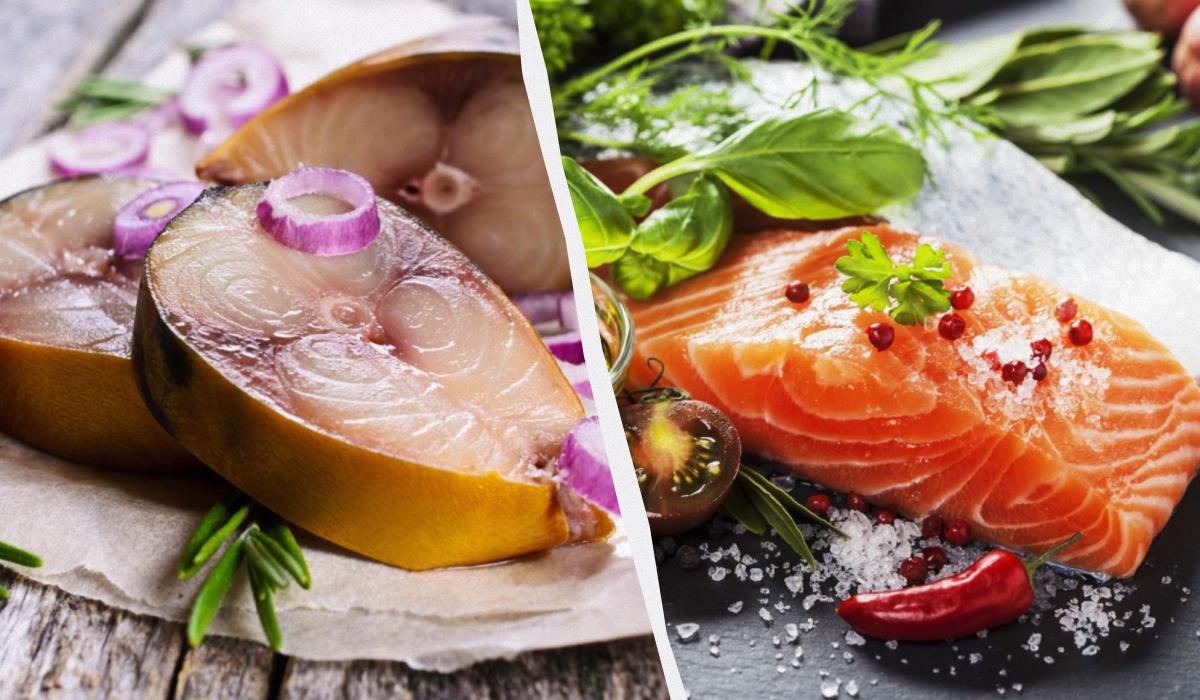
A cardiologist has identified six types of seafood that support heart health, according to a report by the health outlet Very Well Health. Seafood is generally rich in nutrients that benefit the heart, particularly omega-3 fatty acids, though the cardiologist noted that some varieties are better choices than others.
Salmon and herring top the list
Salmon was named one of the most nutritious and safest seafood choices. A 115-gram portion contains between 23 and 25 grams of protein and no carbohydrates, according to the report. The fish is also a rich source of omega-3 fatty acids, vitamins B12 and D, and selenium, and it ranks among the safest fish to eat because of its low mercury content.
Herring, alongside salmon, contains the highest levels of omega-3 fatty acids among the seafoods discussed and is high in protein with no carbohydrates. It also provides vitamin B12, which supports nervous system health, blood cell formation and DNA synthesis. The cardiologist cautioned that marinated, dried, smoked and salted herring contain high amounts of salt, and that eating salty foods is linked to raised blood pressure and cardiovascular disease. Fresh or frozen, unprocessed herring is the better option for heart health.
Sardines and mackerel bring extra minerals
Sardines, a small fish from the same family as herring, were highlighted for their nutritional value thanks to their omega-3, iron and selenium content. A single serving of sardines provides 82% of the daily recommended intake of selenium, which has anti-inflammatory properties. Because their small bones are eaten along with the flesh, sardines also serve as an additional source of calcium and vitamin D. The cardiologist advised checking the salt content of canned sardines and recommended choosing those packed in water or olive oil with zero or low added salt.
Mackerel is another oily fish with very high levels of omega-3 fatty acids and protein and no carbohydrates, as well as a notable source of iron. Standard mackerel has the lowest mercury content of the fish listed, but king mackerel contains high levels of methylmercury, which can be harmful.
Trout and anchovies round out the picks
Trout, an oily fish with no carbohydrates, was named one of the best sources of omega-3s. Like the other seafoods on the list, it is rich in selenium, vitamin B12 and vitamin D, and it is among the fish with the lowest mercury levels.
Anchovies, despite their small size, offer significant nutritional value. Rich in protein and omega-3s, they also contain iron, calcium and selenium. The cardiologist again flagged the salt content of canned anchovies, suggesting fresh or dried varieties as an alternative.


