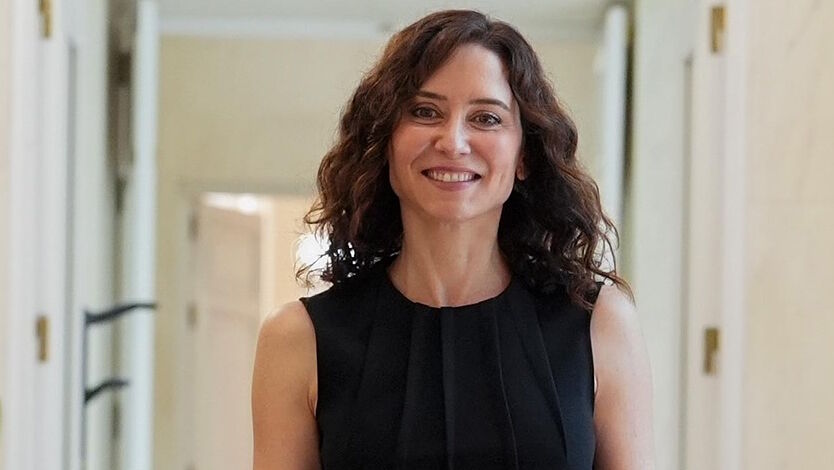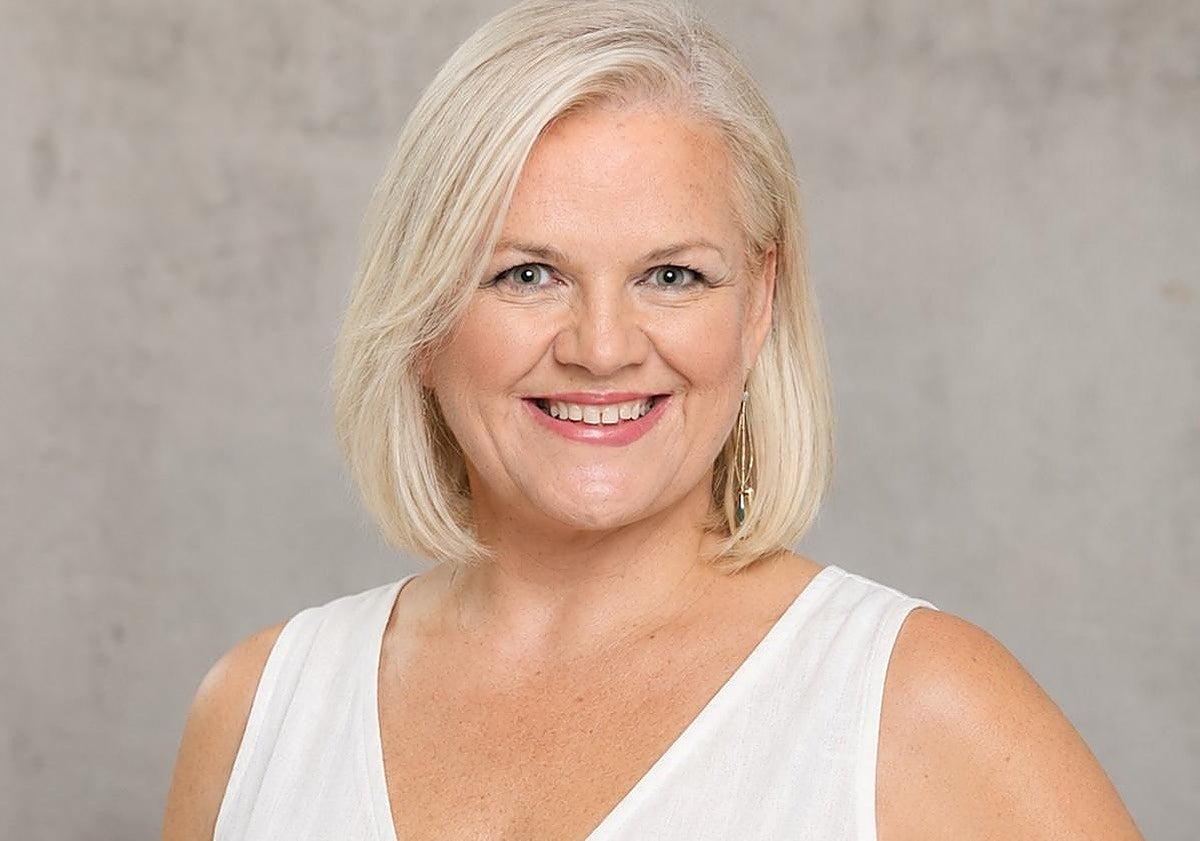
Catalina Hoffman, a Spanish occupational therapist and specialist in cognitive stimulation, said the brain has to be taken to the gym with a structured training plan, arguing that mental fitness has become as central to beauty and longevity as skincare. Hoffman is the creator of the Neurofitness® method and has joined the medical committee of Longevitas, a brand that formulates nutritional supplements focused on longevity and preventive health.

What neurofitness means
Hoffman described Neurofitness® as an executive brain-training methodology designed to push the brain out of its comfort zone and boost neuroplasticity, the brain's real capacity to build new neural connections at any age. She said it is not about simply keeping the mind busy, but about exposing the brain to specific cognitive, sensory and motor challenges that force it to reorganise itself, speed up its processing and build cognitive reserve.
Why crosswords are not enough
Conventional brain exercises such as sudoku, crosswords and word searches tend to work a single area repetitively, Hoffman said. The brain is efficient and lazy, she explained: once it learns a pattern, it automates the task and stops forming new connections, much like going to the gym and always lifting the same half-kilo weight. Neurofitness® instead works the brain's executive functions together, including sustained attention, cognitive flexibility, working memory, decision-making and hand-eye coordination, by combining different stimuli at the same time. Neuroplasticity happens, she said, when the brain is forced to solve something new and slightly uncomfortable.
Training the brain like a muscle
Hoffman said the brain can be trained under exactly the same physiological principles as the body: consistency, progression, overload and rest. Just as muscle fibres need new resistance to break down and rebuild stronger, she said, the brain needs a novel stimulus that demands a small cognitive effort, followed by recovery periods such as deep sleep or moments of neural silence to consolidate what has been learned. Left untrained, the brain atrophies, she said; trained with a method, it responds no matter a person's age. She added that having luminous, firm skin counts for little if a person feels mental fog, chronic exhaustion, a lack of focus or emotional disconnection underneath.
Starting in your 30s and 40s
Asked at what age people should start looking after their cognitive health, Hoffman said everyone should begin today, whatever their age, though the 30s and 40s are a particularly important window. A subtle natural decline in processing speed begins from around age 30, she said, at exactly the point when many people are living with high professional demands, mental load and constant multitasking. Training the brain at 30 or 40 is not an emergency measure but preventive medicine and the construction of cognitive reserve, she said: what is built now in terms of neural connections and stress management becomes the cushion that will shape how a person lives, decides and enjoys life at 60, 70 or 80.
From anti-ageing skin to anti-ageing brains
Hoffman said the beauty industry has undergone a genuine paradigm shift, moving from asking how the face ages to asking how the brain ages. People have realised that smooth, glowing skin means little if someone feels mental fog, chronic fatigue, poor focus or emotional disconnection on the inside, she said, and true youth today is understood as mental agility, curiosity and vital energy. The face, she said, is simply a reflection of how well the nervous system and brain are functioning.
Asked whether a healthy brain is the new luxury of beauty, Hoffman said without doubt it is. She described mental clarity, the capacity for attention and calm in a hyperstimulated world as the true silent luxury of the 21st century, in a world full of attention thieves and constant noise. A trained brain capable of concentrating, regulating emotion, sleeping well and keeping its creativity intact is the greatest symbol of wellbeing and sophistication, she said, adding that there is no better cosmetic than a regulated nervous system, since it changes a person's posture, gaze, way of communicating and even facial expression.
Brain care as the new skincare routine
Hoffman said she is convinced that brain-care routines will soon be discussed as naturally as skincare routines are today, and that this is already starting to happen. Just as skincare today combines cleansing, topical cosmetics and nutricosmetics from within, she said the brain is heading toward an equally integrated approach: spending 10 to 15 minutes a day training attention, listening to frequencies that reset the nervous system, and supporting that base with quality, specific supplementation for brain health, an area she is working on closely through Longevitas's scientific committee.
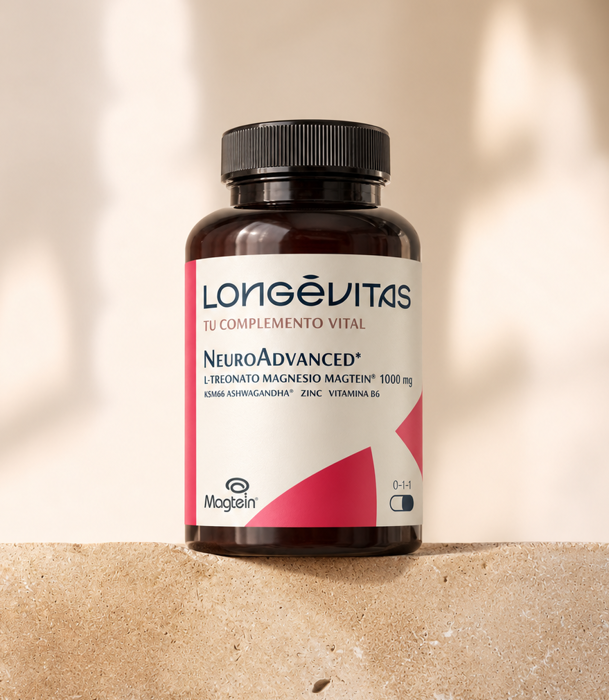
She said this routine will soon be as automatic as applying serum in the morning or removing make-up at night, no longer seen as clinical or reserved for when a memory problem appears, but as a daily ritual of self-care, mental hygiene and healthy longevity.
The outside factors that affect the brain
Asked which external factors affect the brain, Hoffman said it does not exist in isolation inside the skull but is a highly sensitive organ that reacts to its environment and habits. Looking after it properly, she said, means intervening on several fronts at once: diet, the gut-brain axis and precision supplementation, chronic stress and cortisol, sleep quality, physical exercise, and emotions and relationships.
Five habits to train the brain
Hoffman said the key is breaking the autopilot with simple but intentional gestures, and offered five habits that can support neuroplasticity.
- Switch hands for everyday tasks, such as brushing your teeth, using the computer mouse or stirring coffee with your non-dominant hand, which forces both hemispheres to communicate immediately.
- Change your routes and sequences, such as the usual way to work or the order of your morning routine, since novelty wakes the brain up instantly.
- Practise conscious single-tasking, dedicating 20-minute blocks to one thing at a time without notifications, since multitasking fragments attention and exhausts the prefrontal cortex.
- Use tactile anchors and fine motor skills, such as writing by hand on paper instead of typing, or handling objects that require manual precision, to activate deep motor and sensory areas that are underused today.
- Give yourself 10 minutes of sensory silence a day, switching off screens, slowing down and using sound tools such as the binaural music she composes or paced breathing, to take the brain out of a state of constant alertness and allow it to consolidate information.
Test yourself
What method did Catalina Hoffman create?
According to Hoffman, why do exercises like sudoku stop helping over time?
What does Hoffman say happens to processing speed starting around age 30?
Have your say
Would you add brain-training exercises to your daily routine?