

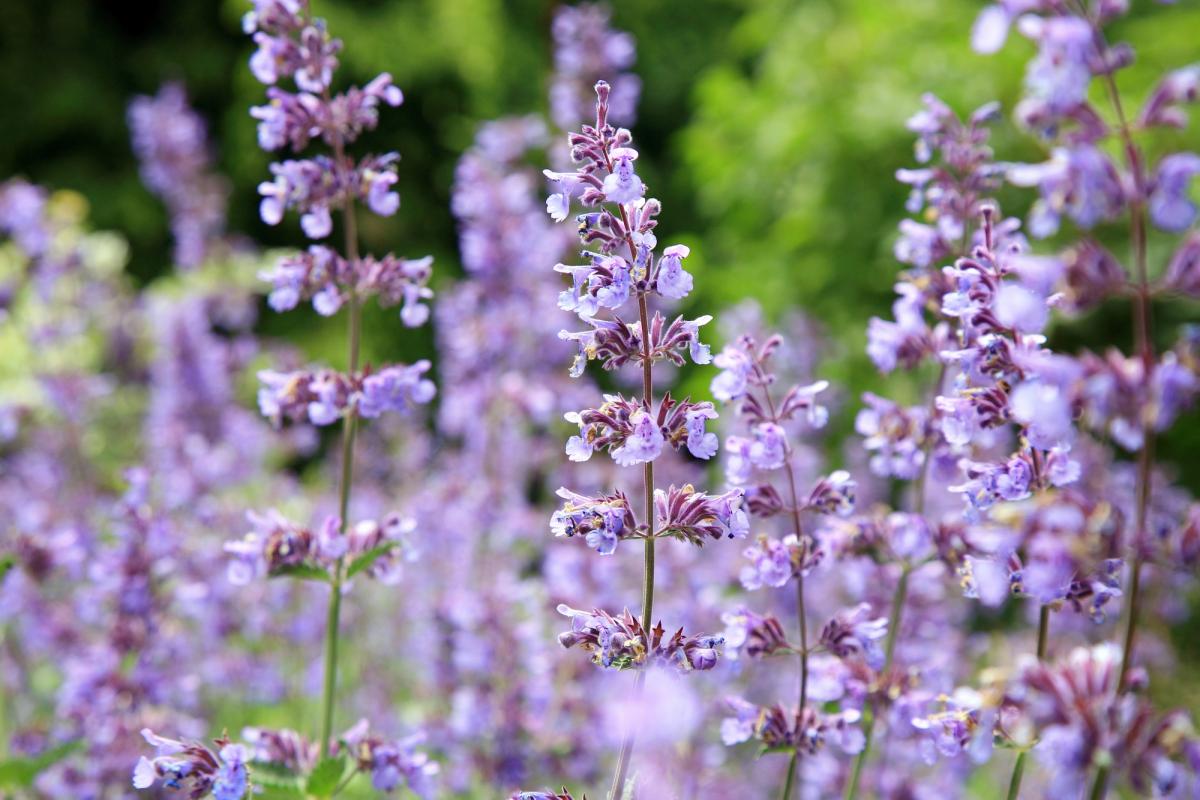
Gardening experts speaking to lifestyle publication House Beautiful have recommended catmint as one of the most resilient perennial plants for home gardens, highlighting its long-lasting purple blooms and minimal care requirements.
The plant, also known by its botanical name nepeta, is valued for its decorative qualities alongside a strong tolerance for temperature drops. According to Ukrainian news agency UNIAN, which cited the expert advice, catmint thrives in a variety of soil types and requires very little watering once established.
Landscape designers consider nepeta a versatile option for home grounds. Gardeners can plant it along garden borders, in structured flower beds, within mixed floral displays, or near house foundations. Its creeping foliage also allows it to serve effectively as a ground cover plant across bare garden patches.
Sunlight and Soil Conditions
Optimal growth for catmint requires a sunny location receiving at least six hours of direct sunlight each day. When planted in shady spots, the stems tend to stretch outward, resulting in sparse growth and less abundant flowering.
Soil requirements for nepeta are remarkably flexible, allowing the perennial to grow in both loose sandy soils and heavier clay compositions. However, experts warn against planting catmint in areas where standing water accumulates, as excessive moisture around the root system can lead to root rot.
Watering and Feeding Guidelines
Once catmint establishes its root system in the ground, it becomes highly drought-tolerant. Gardeners do not need to water it frequently, and overwatering can actively harm the plant's health.
Fertilizer demands are similarly low. Applying a balanced, slow-release fertilizer in spring provides sufficient nutrients for healthy development. If growers wish to encourage a second wave of purple blossoms, specialists suggest applying an additional feeding after the initial flowering period concludes.
Pruning and Pest Resistance
Catmint displays strong natural resistance to common plant diseases and garden pests. Serious infections are rare, and insects typically cause no significant damage to the foliage or flowers.
Maintenance and pruning demands remain minimal. Removing spent blooms is not strictly necessary, as the plant continues to flower without human intervention. To prompt a repeat bloom, gardeners can trim back faded inflorescences immediately after the first flowering wave ends. In autumn, the plant can be left untreated without seasonal cutting.
Impact on Domestic Pets
Pet owners should exercise caution when cultivating nepeta near domestic animals. Catmint is closely related to catnip and contains nepetalactone, a chemical compound known to trigger short-term behavioral changes and neurological responses in cats.
Dogs that consume parts of the plant may experience mild digestive disturbance and stomach upset. Gardening specialists noted that these reactions are temporary, resolving naturally within a short time without causing long-term harm to pets.
Long Blooming Perennial Options
The guidance follows earlier advice published by UNIAN for gardeners seeking low-effort, continuously flowering gardens. Experienced horticulturists previously identified five perennial species capable of providing continuous blooms from early summer through autumn.


