A single hen lays about 216 eggs a year on average, though certain breeds can produce significantly more, according to experts cited by the outlet Animal Gourmet.
The outlet reported that most hens begin laying at around four months old, although some can take up to a full year to start. Laying hens continue producing eggs until about six years of age, after which their output drops to just one or two eggs a week.
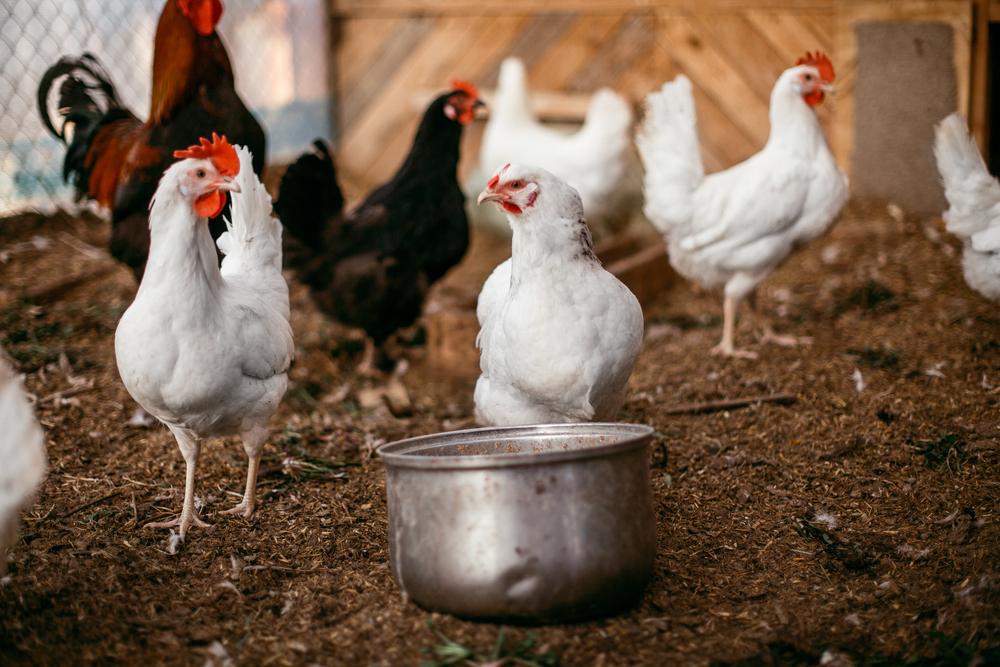
Animal Gourmet listed the most productive chicken breeds and the number of eggs each can lay per year:
- Leghorn (white): 300 to 320 eggs a year
- Lohmann Brown: 320 eggs a year
- Hy-Line Brown: 310 to 320 eggs a year
- ISA Brown: 300 to 320 eggs a year
- Dekalb White: 300 to 320 eggs a year
- Rhode Island Red: 250 to 300 eggs a year
- Sussex: 250 to 280 eggs a year
- Plymouth Rock (barred or white): 200 to 280 eggs a year
Why egg colour varies
The article noted that eggs are not limited to white or brown shells, with a wide range of colours occurring naturally. This variation has nothing to do with dyes and is explained entirely by genetics.
The outlet said eggshell colour depends solely on a hen's genetics and breed. All shells start out white, it explained, and only take on their final shade, whether white, brown, blue or green, through natural pigments added during the last stage of the shell's formation.
According to the report, each breed produces different pigments as the egg forms, which is what gives the shell its colour. The three base egg colours are white, brown and blue.
What laying hens eat
Birds have a short digestive tract, and food passes through it in just three to four hours, the Institute for Egg Research said in a 2026 report cited by the outlet. Digestion relies mainly on enzymes rather than bacterial fermentation.
As a result, hens' diets are made up mostly of starch, protein, fats, vitamins and minerals, the institute said. It added that a moderate amount of fibre and bulk feed is also needed to support healthy digestion, and that hens must always have access to water, since they drink large quantities of it.
The main components of chicken feed are grains such as corn, wheat, barley and oats, protein sources including soybean meal, sunflower meal and peas, along with oils, vitamins and minerals. The outlet said this means hens eat mostly plant-based food even though they are omnivores by nature. Calcium, phosphorus and vitamin D intake are especially important for forming strong eggshells and maintaining a hen's skeletal strength, the authors noted.
Caring for laying hens
Specialists recommend creating comfortable conditions for hens so they stay healthy and avoid stress, which is one of the key factors affecting egg laying. To reduce stress, the outlet suggested following a consistent care routine, including:
- Feeding hens at the same time every day
- Providing proper housing that shields the birds from sun and rain
- Ensuring at least 12 hours of light a day, whether natural or artificial
- Collecting eggs daily to prevent damage or spoilage
Test yourself
According to the article, how many eggs does the average hen lay per year?
Which breed can lay up to 320 eggs a year, according to the outlet?
What determines eggshell colour, according to the report?
Have your say
Would you consider keeping laying hens at home?