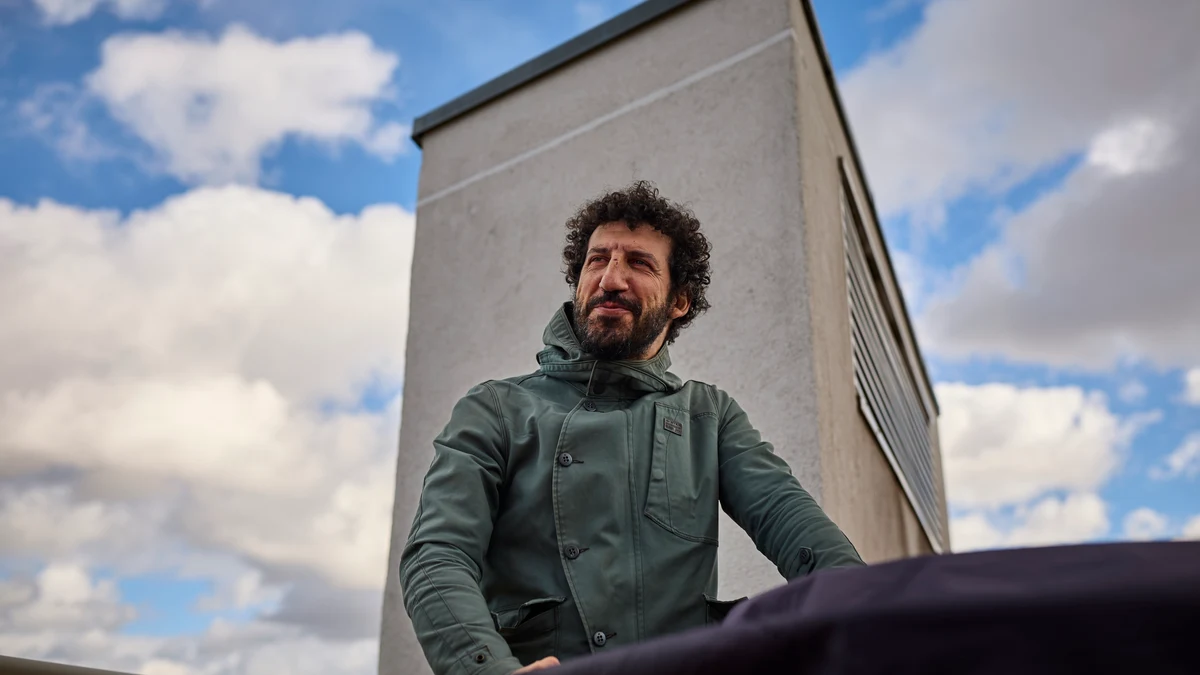
Brazilian sertanejo duo Chitãozinho e Xororó announced on Sunday, November 22, that they are retiring from live performances after 56 years together on stage. The pair, José Lima Sobrinho, 72, known as Chitãozinho, and his younger brother Durval de Lima, 69, known as Xororó, have sold more than 40 million records over their career.
The brothers are credited with helping turn sertanejo, a genre of Brazilian country music, into a nationwide phenomenon. They broke through barriers that once kept the genre off FM radio and remained relevant across several generations of listeners before deciding to step away from touring.
Early Years in Parana
Chitãozinho and Xororó were born in Astorga, in the southern Brazilian state of Parana. They began singing as children at the encouragement of their father, Mario, who was also a musician and composer. The family later moved to Rondon, also in Parana, and then to Sao Paulo.
The duo recorded their first official album in 1970, titled "Galopeira." The title track became a hit and is still remembered by Brazilian audiences today.
Breakthrough Hits
More hits followed on AM radio, including "60 Dias Apaixonado" and "Amante Amada." Their career was firmly established in 1982 with "Fio de Cabelo," a song that became one of the duo's signature tracks.
"Fio de Cabelo" appeared on their eighth studio album, "Somos Apaixonados," which went on to sell more than 1.5 million copies. The song also helped the duo break into FM radio stations in Brazil's major cities, which had previously resisted playing sertanejo music.
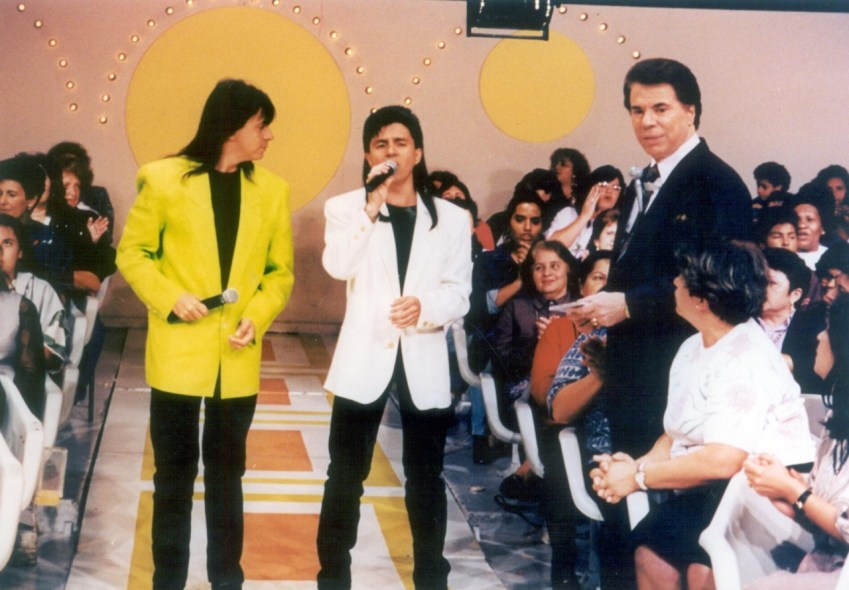
In 1989, "Nuvem de Lagrimas," recorded with singer Fafa de Belem, 70, received heavy radio airplay. "Evidencias," written by José Augusto and Paulo Sergio Valle and recorded in 1990, kept the duo at the top of the charts and remains a staple at live shows and karaoke bars across the country.
Sertanejo's Rise and Collaborations
The emergence of duos Leandro e Leonardo and Zeze Di Camargo e Luciano in the 1990s cemented sertanejo as Brazil's most popular musical genre. Chitãozinho e Xororó partnered with both acts on the "Amigos" tour, which was later turned into a television program on Brazilian broadcaster Globo.
Other hits from the 1990s include "Brincar de Ser Feliz" (1991), "Bailao de Peao" (1992), "Alo" (1993), "Pagina de Amigos" (1995) and "Pura Emocao" (1998). In the 2000s, the duo recorded a series of collaborations, including "Coracao Vazio" with American singer Reba McEntire, "Frio da Solidao" with the group Roupa Nova, "Sinonimos" with Ze Ramalho and "Arrasta uma Cadeira" with Roberto Carlos.
Awards and Recognition
Chitãozinho e Xororó have won numerous awards throughout their career, including Brazil's Troféu Imprensa in 1991, 1992 and 1993. They have also won seven Latin Grammy Awards for Best Sertaneza Music Album, most recently in 2025, and took home the 2026 Brazilian Music Award in two categories, Best Sertanejo Artist and Best Sertanejo Release.
Personal Lives and Family
Both brothers have had long-term relationships. Chitãozinho was married to Adenair Lima from 1982 to 2000, with whom he had two children, Aline, 41, and Alisson Lima, 37. Since 2000 he has been with Marcia Alves, 52, whom he married in 2003; the couple has a son, Enrico Lima, 26.
Xororó has been married to Noely Lima, 66, since 1981. The couple's children, Sandy Leah, 43, and Durval de Lima Junior, 42, formed the duo Sandy e Junior while still children in the late 1980s and became famous throughout Brazil. The family went on to fill stadiums for decades and even starred in their own Globo television program, which aired on Sundays between 1999 and 2002. Sandy and Junior's split in 2007, announced on the program "Domingao do Faustao," caused a wave of emotion among fans.
Grandchildren and a TV Series
Xororó is now a grandfather to Theo, 12, Sandy's son, and to Otto, 8, and Lara, 4, Junior's children. Chitãozinho has four grandchildren of his own: Manuel, 22, and Sophia, 5, both children of Aline, and Anne, 12, and Selina, 3, whose father is Alisson.
The brothers' life story was also adapted into a Globoplay series, "As Aventuras de Jose e Durval," which was released in 2023 and broadcast on television the following year.
Test yourself
How many records have Chitãozinho e Xororó sold over their career?
What was the title of the duo's first official album, released in 1970?
Which famous duo did Xororó's children form in the late 1980s?
Have your say
Do you think veteran music duos should retire from touring while still successful?