

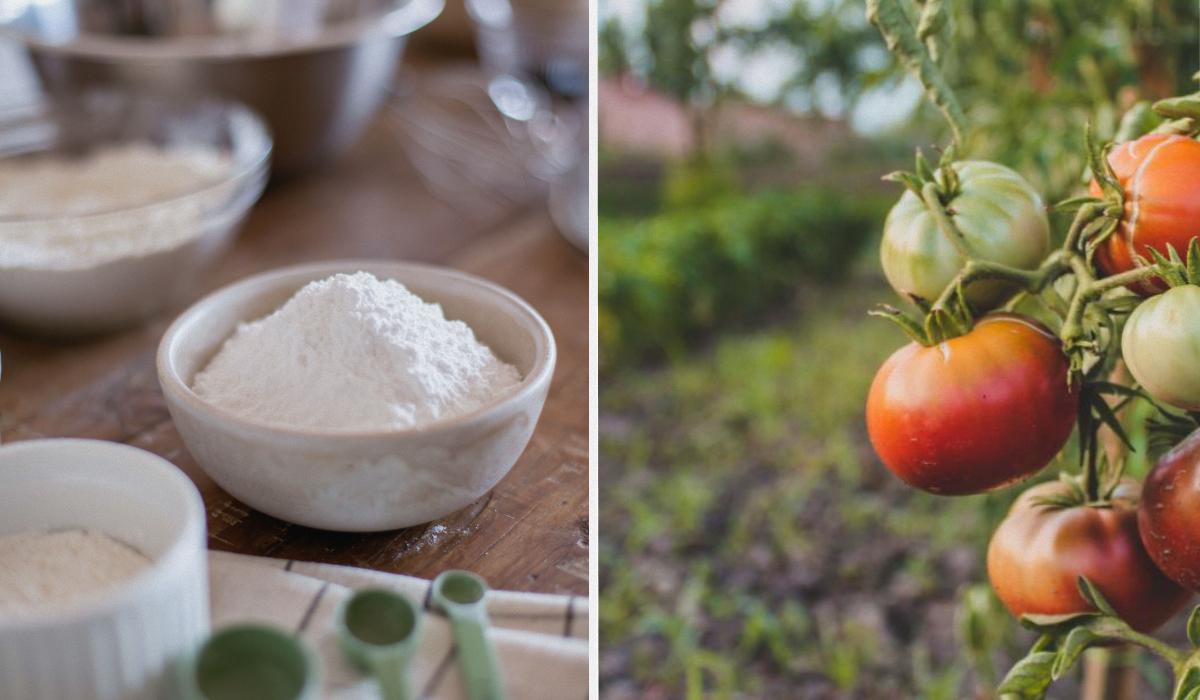
Gardening expert Tammy Sons, chief executive officer of TN Nursery, has detailed seven ways cornstarch can act as a non-toxic barrier against garden pests. The versatile kitchen ingredient, traditionally processed from corn endosperm to thicken culinary dishes, serves as a natural alternative to chemical treatments in home yards.
Sons advised scattering small amounts of cornstarch around anthills, garden beds, and entry points across a property. The fine powder disrupts the digestive systems of ants and other soft-bodied insects, which cannot digest the starch grains, creating a physical barrier without harming surrounding vegetation.
To combat common fungal diseases such as powdery mildew, Sons recommended preparing an antifungal leaf spray. Gardeners can blend 1 tablespoon of cornstarch with 1 liter of water, adding 1 teaspoon of baking soda to boost the mixture with alkaline properties.
Powdery mildew is a frequent fungal infection caused by airborne spores that coats plant leaves in a white powdery growth, blocking light and weakening foliage. Baking soda raises the pH level on leaf surfaces, creating an inhospitable environment for fungal spores to spread. When sprayed directly onto affected leaves, the cornstarch mixture adheres to the foliage and helps suppress active fungal outbreaks.
Natural pest remedies and bulb storage
Cornstarch can also improve the performance of homemade pest sprays formulated with essential oils or garlic. Adding starch thickens liquid remedies, allowing them to cling to plant stems and leaves for longer periods. This extended surface contact ensures organic insect repellents remain effective against crawling pests.
Beyond living plants, cornstarch functions as a natural desiccant during seasonal seed and bulb storage. High moisture levels during dormant periods often trigger rot or mold, ruining stored gardening stock before planting season arrives.
Sons explained that lightly dusting flower bulbs and seeds with cornstarch absorbs excess ambient humidity. Placing the dusted bulbs inside paper bags or breathable containers helps keep them dry and viable for cultivation in the following growing season.
Improving soil and outdoor safety
Heavy clay soil consists of tightly packed mineral particles that frequently hinder root growth and create poor water drainage. Mixing small quantities of cornstarch into dense clay ground helps loosen the soil matrix, allowing moisture to distribute more evenly around germinating seeds.
The household powder also provides relief for gardeners after completing outdoor chores. Exposure to prickly sap or insect bites can leave skin itchy and inflamed. Mixing cornstarch with a small amount of water creates a soothing paste that can be applied to irritated skin, left to dry, and washed off with warm water.
Garden pathways and landscape stones often become hazardous when wetness or algae growth creates slick surface conditions. Scattering a light layer of cornstarch over slippery stones absorbs residual surface water, restoring traction along garden walkways.
Application warnings and testing guidelines
Despite these applications, Sons emphasized that using cornstarch as a plant fertilizer or universal remedy remains a subject of debate among horticulturalists. She warned that gardeners must apply the powder sparingly, as excessive contact with moisture causes starch to clump into a sticky mass.
Overapplying cornstarch can lead to unintended consequences, including mold proliferation and the attraction of unwanted garden pests. Heavy accumulation on leaves or soil can trap excessive moisture rather than protecting plant health.
Sons noted that while cornstarch is not a magical fix, it represents a useful non-toxic tool in a gardener's organic arsenal. She recommended testing any starch solution on a small section of a plant before applying it across an entire garden, pointing out that different plant species exhibit unique sensitivities.


