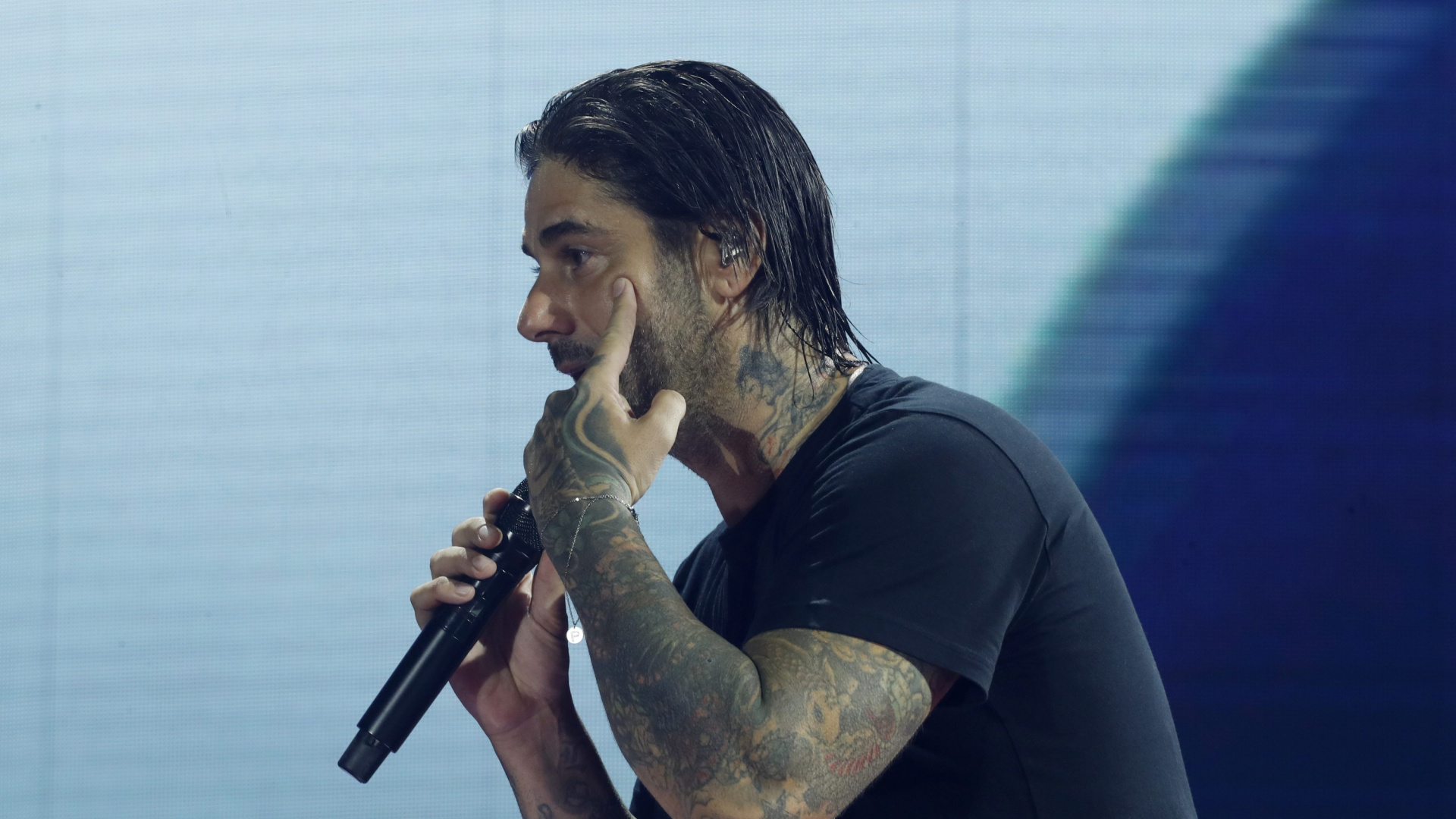

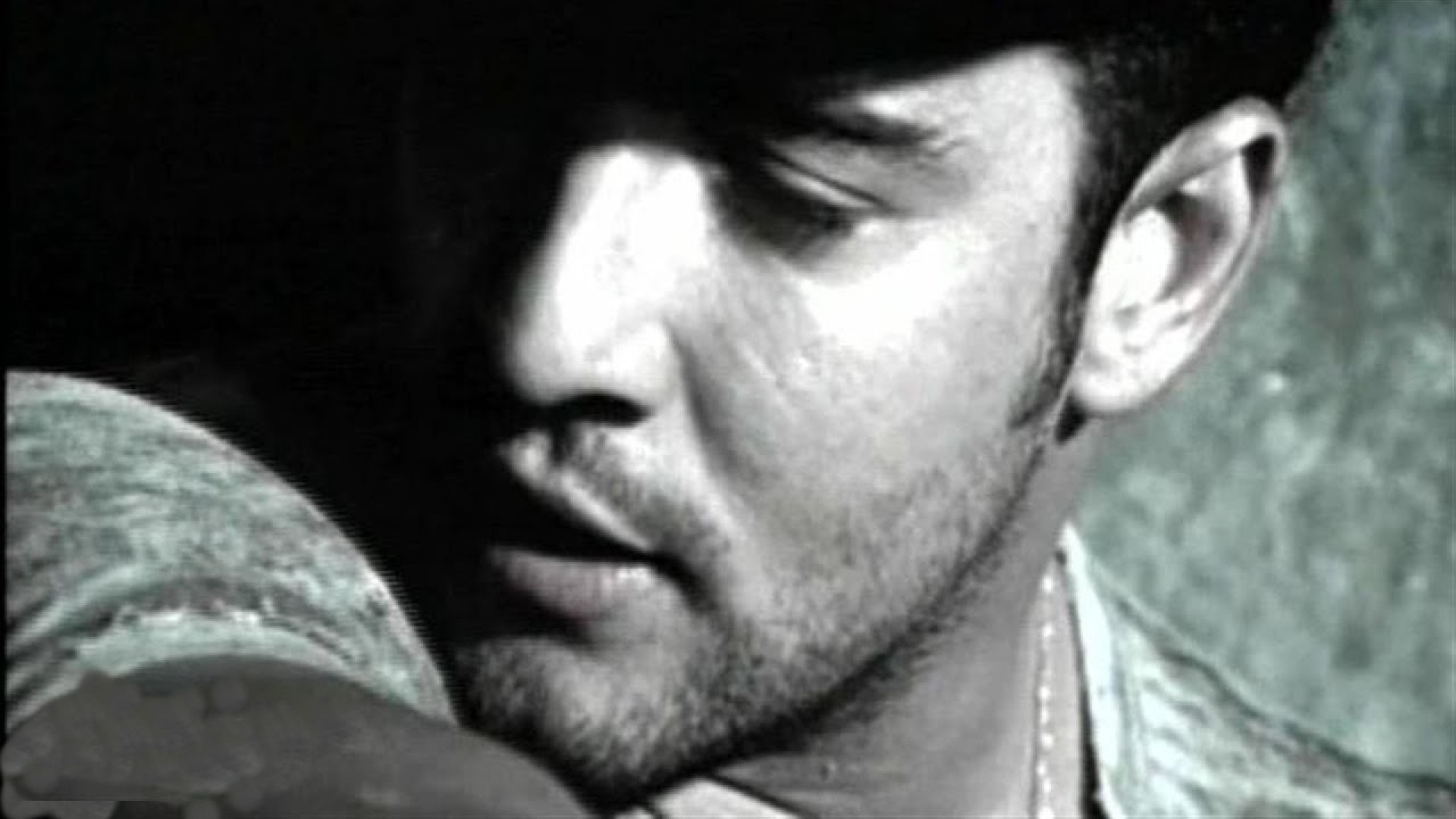
Spanish singer David Bisbal has revealed that he cut his iconic curly hair 20 years ago as an act of rebellion to draw attention to child soldiers in Sierra Leone.
In a video distributed by his record label, Universal Music, the performer explained that chopping off his signature locks during a 2006 music video shoot ensured his humanitarian message was heard.
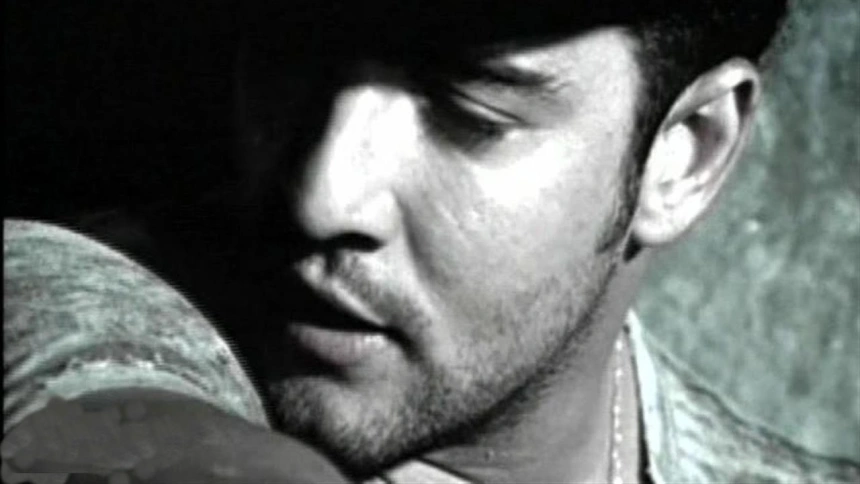
Bisbal recalled visiting Sierra Leone during a period of civil conflict, where he met Xaverian missionary Chema Caballero. Caballero was working to help children who had been forced onto the front lines of battle during the civil war in the West African nation.
The singer said he was very young at the time and was deeply shocked that children were forced into battle. Moved by the experience, he decided to write the protest track Soldado de papel, or Paper Soldier, to denounce the violence.
To ensure the message resonated with the public, Bisbal collaborated with photographer and music video director Jaume de Laiguana. During the filming, Bisbal had his hair cut off as a form of protest.
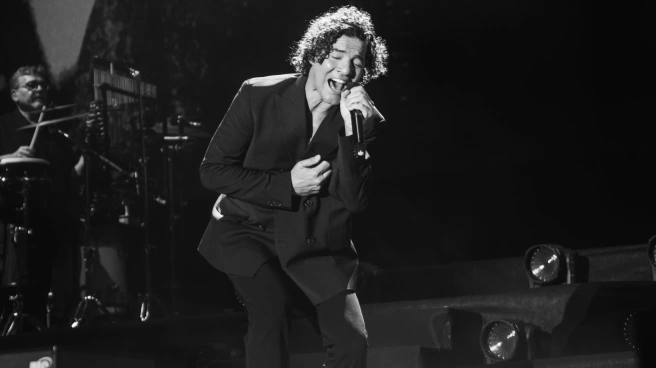
Bisbal explained that without such a dramatic haircut, both the protest and the song might have passed unnoticed. He said the deliberate act of rebellion caused fans and the media to ask why he had cut his hair so aggressively, which led people to discover the story behind the music.
The singer from Almería first gained national fame in 2001 as the runner-up on the debut season of Operación Triunfo, a popular Spanish television music competition. His long curls became a hallmark of his energetic stage performances, making his hair transformation a major topic of conversation.
Protest song on third studio album
The song Soldado de papel featured on Bisbal's third studio album, Premonición, which was released in 2006. The album's first official single was Quién me lo iba a decir.
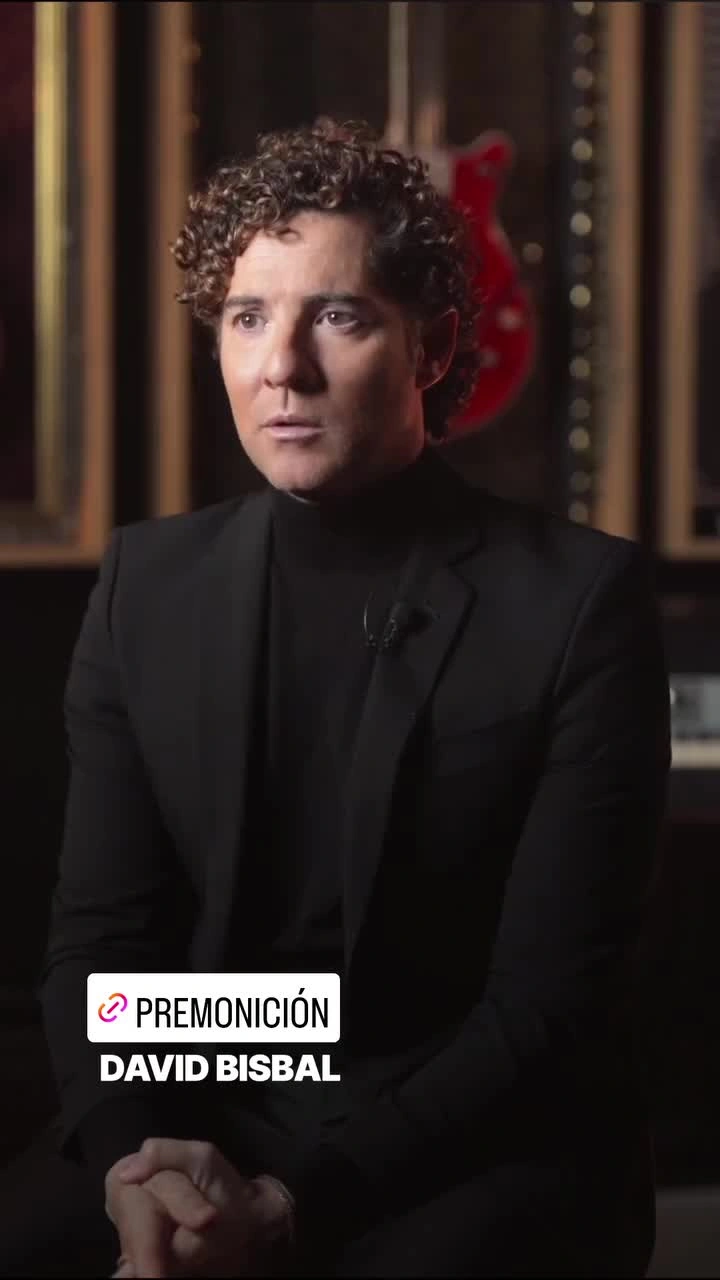
Two decades after the release of Premonición, Bisbal is set to launch his latest studio album, Eternos, on October 2, 2026. The new project pays tribute to legendary figures in Spanish-language music, reflecting his artistic evolution over a 25-year career in Spain and internationally.
Tribute to Spanish-language classics
Ahead of the full album release, Bisbal has already previewed six tracks from Eternos. The releases feature his versions of Vivir así es morir de amor by Camilo Sesto, Te quiero, te quiero by Nino Bravo, Amor eterno by Rocío Dúrcal, Frente a frente by Jeanette, El amar y el querer by José José, and Quijote by Julio Iglesias.