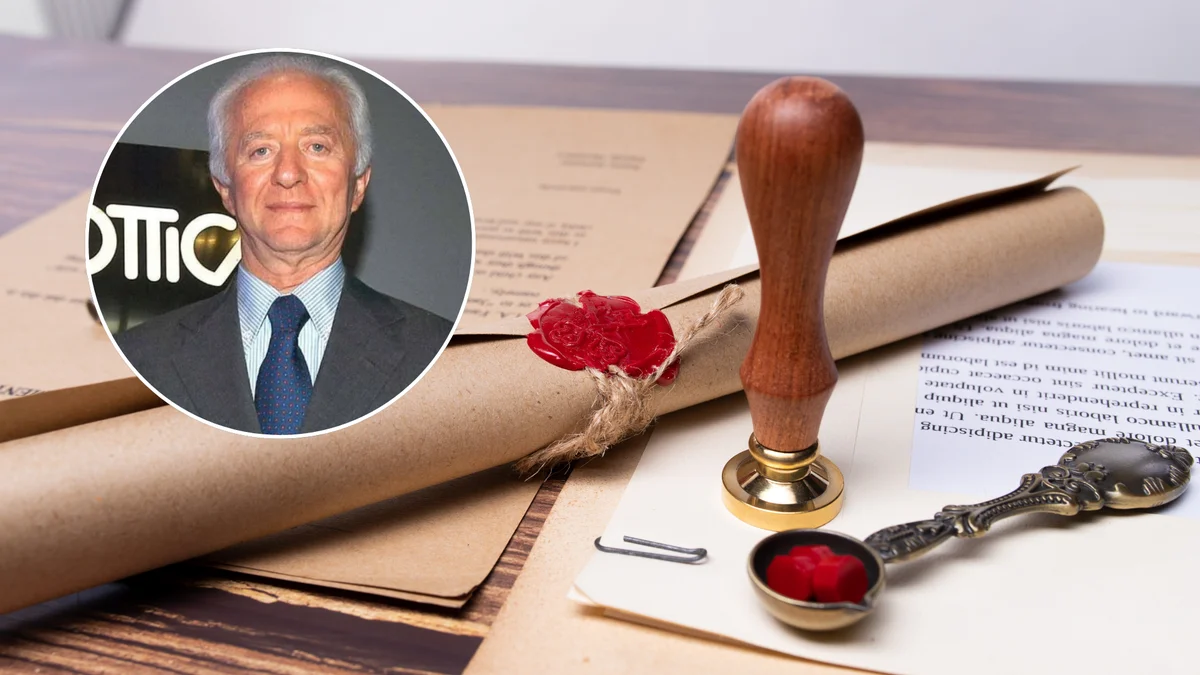
Eight heirs of Leonardo Del Vecchio, the founder of the Ray-Ban and Oakley eyewear empire, are locked in a bitter power struggle over Delfin S.a.r.l., the family holding company now valued at around €47.3 billion.
The dispute, which has simmered since Del Vecchio's death in June 2022 at the age of 87, has escalated this year with a rejected €30 billion takeover offer from a young Czech industrialist and a failed attempt by one heir to seize a bigger stake in the business.
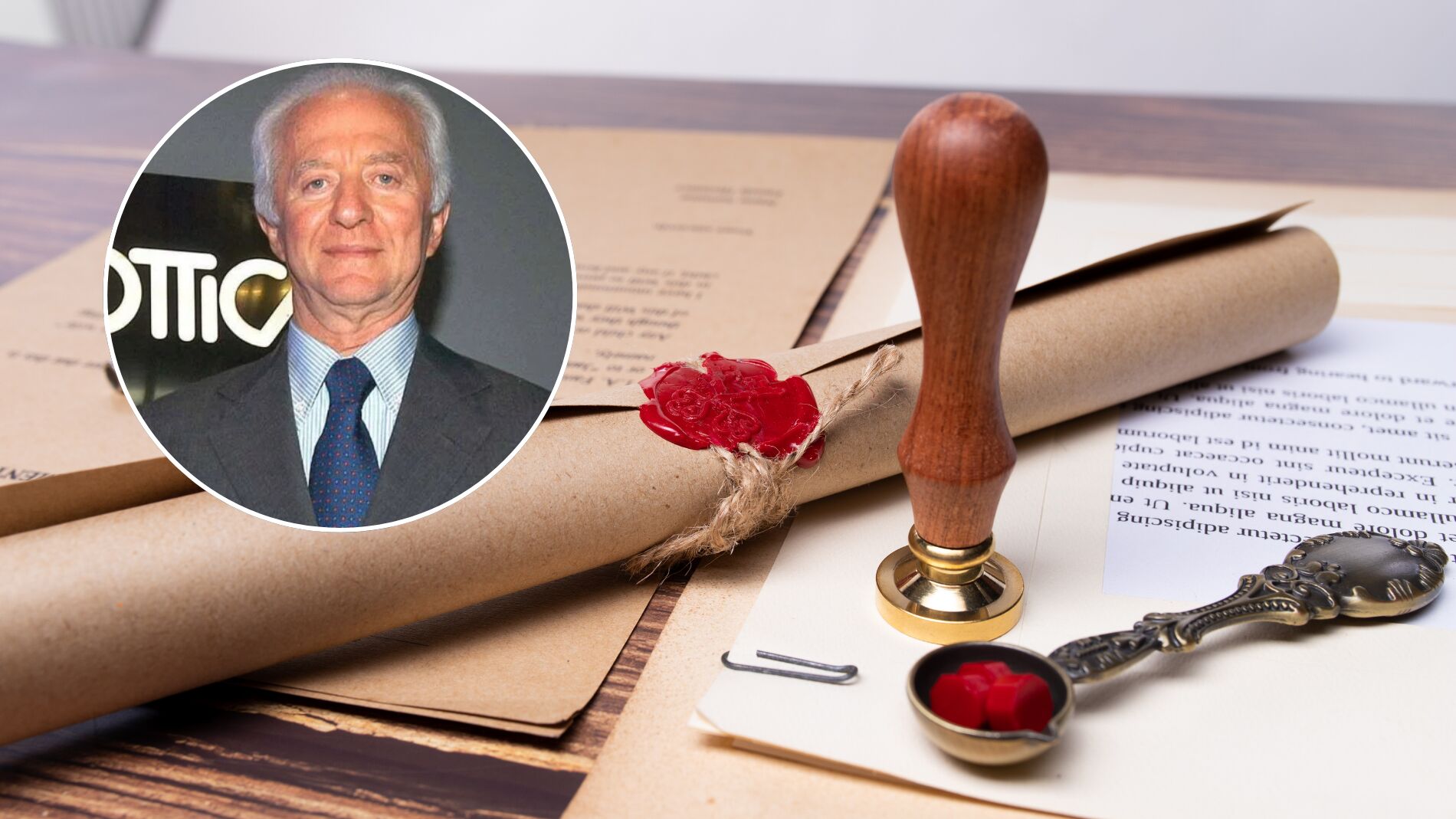
Del Vecchio founded the eyewear company in 1961 and built it from scratch into the world's largest eyewear empire. The business produced frames and distributed optical networks internationally while buying up brands including Ray-Ban, Oakley, Persol and Oliver Peoples.
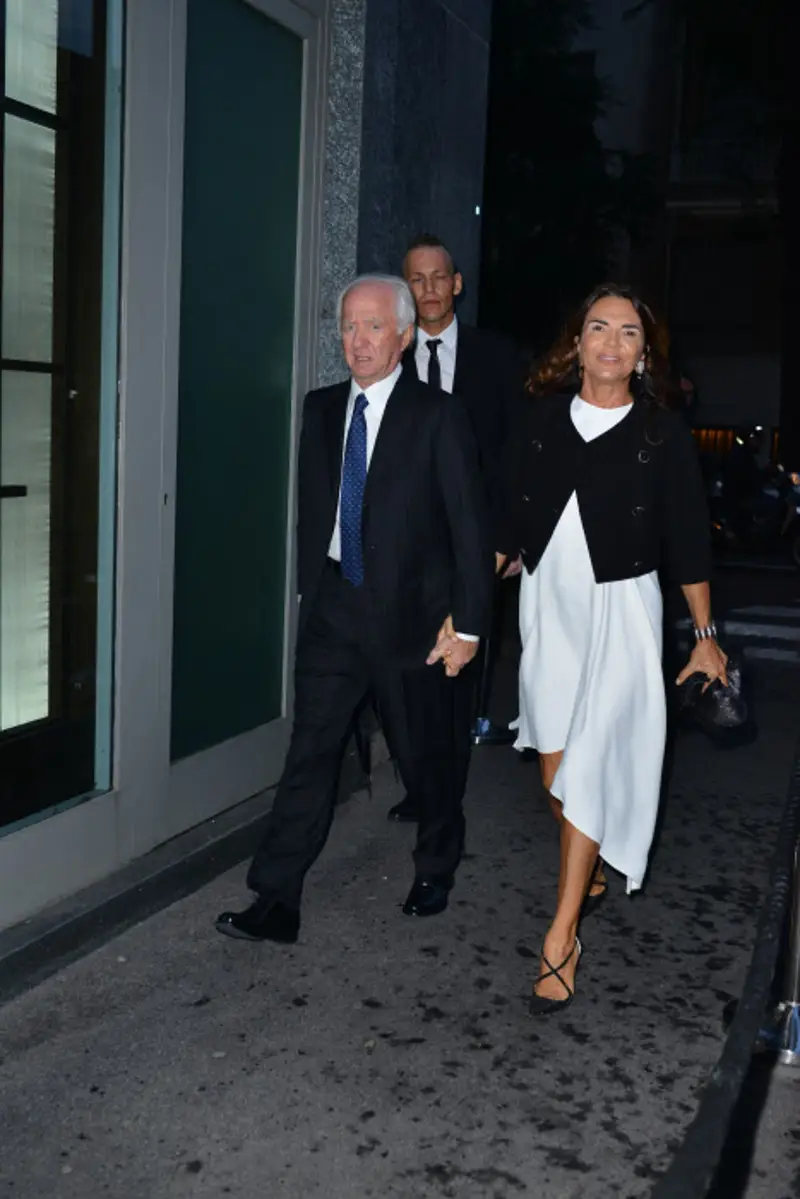
Before he died, Del Vecchio decided to split his stake in Delfin into eight equal parts without naming a single successor. Under that arrangement, his six children, Claudio, Marisa, Paola, Leonardo Maria, Luca and Clemente, each received 12.5% of the shares. His widow, Nicoletta Zampillo, and her son from a previous relationship, Rocco Basilico, received the same share. Treating his stepson the same as his six biological children, despite Basilico not being his biological son, triggered the first rift within the family.
A poisoned inheritance
At stake was each heir's share of a multi-billion-euro inheritance, but control of the company was tightly bound by rules Del Vecchio set before his death. He designed a system of checks and balances meant to keep control within the family without giving any one heir a dominant role, placing Francesco Milleri, his trusted lieutenant, in charge of running Delfin. The Luxembourg-based holding is overseen by an independent board whose members serve fixed terms and are shielded from the heirs' influence by strict governance rules.
Between 2022 and 2025, the heirs tried to fix the resulting chaos by changing certain rules, including scrapping the unanimity requirement for board changes in favor of a two-thirds majority. The aim, in effect, was to get around the tight budgetary control imposed by their father and to increase dividend payouts. But Del Vecchio had tied the rules tightly.
Blocked by design
Del Vecchio's system left key decisions in the hands of the board unless all eight heirs reached a unanimous decision or a very broad agreement. Extraordinary decisions require majorities that can reach as high as 88% approval. Because the eight heirs hold equal stakes, any single one of them can block a major decision, a deadlock that leaves all eight owning a multi-billion-euro company they cannot freely dispose of.
Among other things, the heirs have been unable to agree on raising the 10% cap on profit distributions, with €1.5 billion in revenue booked by Delfin in 2025. In practice, the company is split between heirs who want to raise dividends and share them out and those who want to keep the money within the business.
A bid to take control
In February 2026, Leonardo Maria, the fourth of the heirs, tried to buy out two of his siblings, Luca and Paola, to gain an additional 25% of Delfin, which would have raised his stake to 37.5%. It looked like a natural solution, since Leonardo Maria was the sibling most closely tied to the company, having held management roles including head of strategy and chairman of Ray-Ban. He secured a preliminary financing agreement worth €10 billion with lenders including UniCredit, Credit Agricole and BNP Paribas.
A Czech billionaire's bid
As if the family drama needed another twist, a new player entered the story recently: Michal Strnad, a 34-year-old Czech businessman who owns Czechoslovak Group, known as CSG. Strnad, who specializes in industrial asset acquisitions, inherited the company from his father and made his fortune from the expansion of Europe's defense sector, selling weapons, ammunition, military vehicles and defense technology.
In an offer sent to the family on 29 October, Strnad put €30 billion on the table for the holding. The family rejected it outright, arguing it was worth no less than €45 billion based on its stock market valuation.
The approach, besides uniting the feuding family for once, sparked intense debate in Italy over a billionaire who built his fortune in the defense industry attempting to take over a luxury and consumer empire deeply rooted in Italy's industrial heritage. It would not be Strnad's first foray into the Alpine country's markets. He already acquired a 14% stake in the Italian tyre maker Pirelli this year after buying it from China's Sinochem, another sign of his interest in major European industrial companies.
Test yourself
Into how many equal parts did Leonardo Del Vecchio split his stake in Delfin before his death?
Who made a €30 billion offer to buy the Delfin holding?
What stake was Leonardo Maria trying to reach by buying out two siblings in February 2026?
Where it happened
Milan, Italy