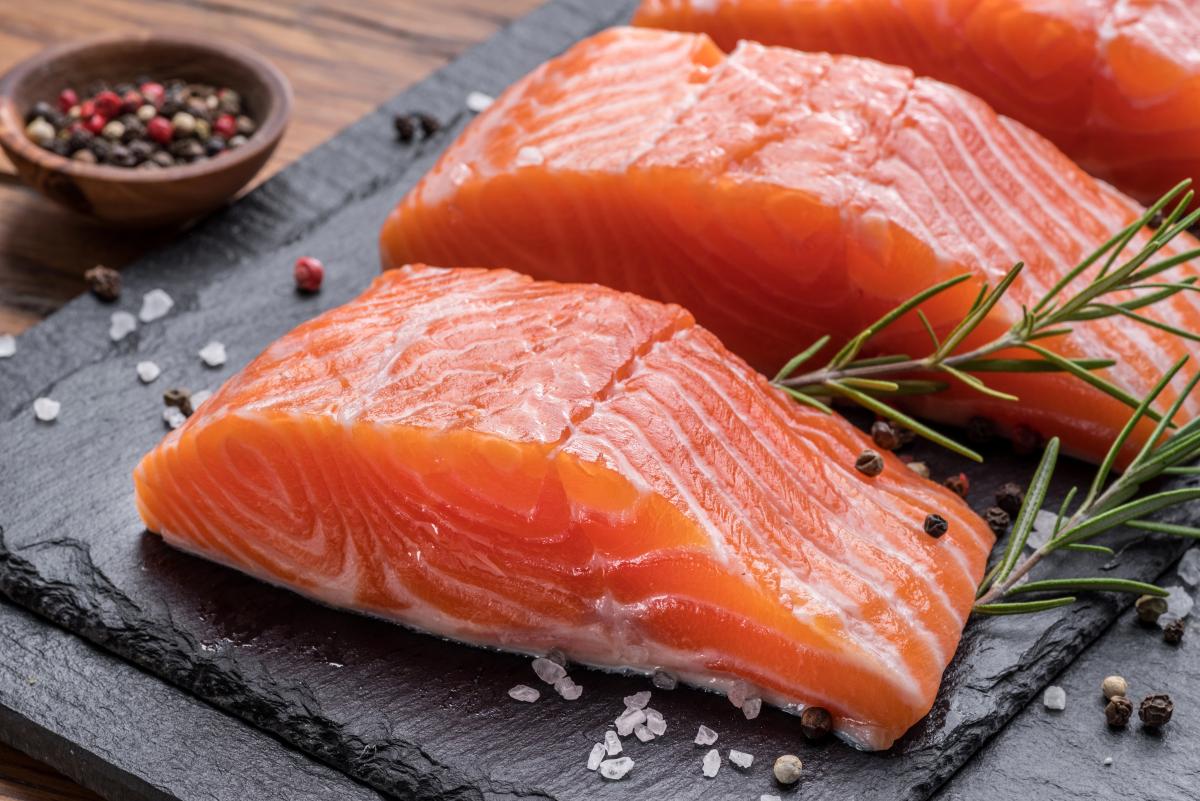
Dietitian Fran Susín has named frozen salmon, rather than sardines or mackerel, as the most useful frozen fish to keep on hand, according to a report by the Spanish outlet elEspañol.
Susín highlighted two specific products: frozen salmon fillet and salmon medallions. He pointed out that one of these products contains only salmon and a small amount of salt, calling it a convenient way to add fish to a daily diet.
He said that keeping quality products in the freezer is one of the best ways to eat well without complicating daily life.
Both options, he noted, are excellent sources of high-quality protein and omega-3 fatty acids, which are especially valuable from a nutritional standpoint. He added that either can be turned into a complete lunch or dinner in just a few minutes.
Quick and balanced meals
Susín recommends serving the fish with vegetables and a side such as potatoes or rice, creating a balanced meal that does not require complicated preparation.
Salmon is one of the most prized types of fatty fish, valued both for its taste and its rich nutritional profile. Its high content of beneficial fats makes it a particularly valuable food.
According to the Spanish Nutrition Foundation (FEN), salmon contains protein as well as monounsaturated and polyunsaturated fatty acids, including omega-3s. It also contains B vitamins along with vitamins D and E.
The foundation notes that salmon is especially rich in vitamins D and E: a single serving provides around 71% of the recommended daily intake of vitamin D and 23% of vitamin E.
Rich in minerals and heart benefits
Salmon is also rich in minerals such as phosphorus, selenium, iodine and potassium. Citing FEN data, the report said a single serving covers roughly half of the recommended daily intake of phosphorus.
One of the main reasons experts recommend eating salmon is its omega-3 fatty acid content, which supports cardiovascular health. The Spanish Heart Foundation stresses the benefits of these fatty acids, noting that their consumption helps improve lipid profiles and supports normal cardiovascular function.
The article also noted that salmon contains carotenoids, antioxidant pigments that give the fish its characteristic pink-orange colour and help protect cells from oxidative damage.
Calories and weight management
According to the Spanish Nutrition Foundation, salmon is relatively calorie-dense: 100 grams of the fish contains 182 kilocalories, along with 18.4 grams of protein and 12 grams of fat.
Despite this, the report said salmon's ability to promote a feeling of fullness, combined with its rich nutritional profile, means it can still suit people trying to lose weight. Keeping salmon fillets in the freezer, the article added, makes it far easier to include fish in a daily menu.
Test yourself
Which fish did dietitian Fran Susín recommend keeping frozen at home?
What percentage of the daily recommended vitamin D intake does one serving of salmon provide, according to the Spanish Nutrition Foundation?
What does the Spanish Heart Foundation say salmon's omega-3 fatty acids help with?
Have your say
Do you keep frozen fish like salmon as a regular part of your meals?