

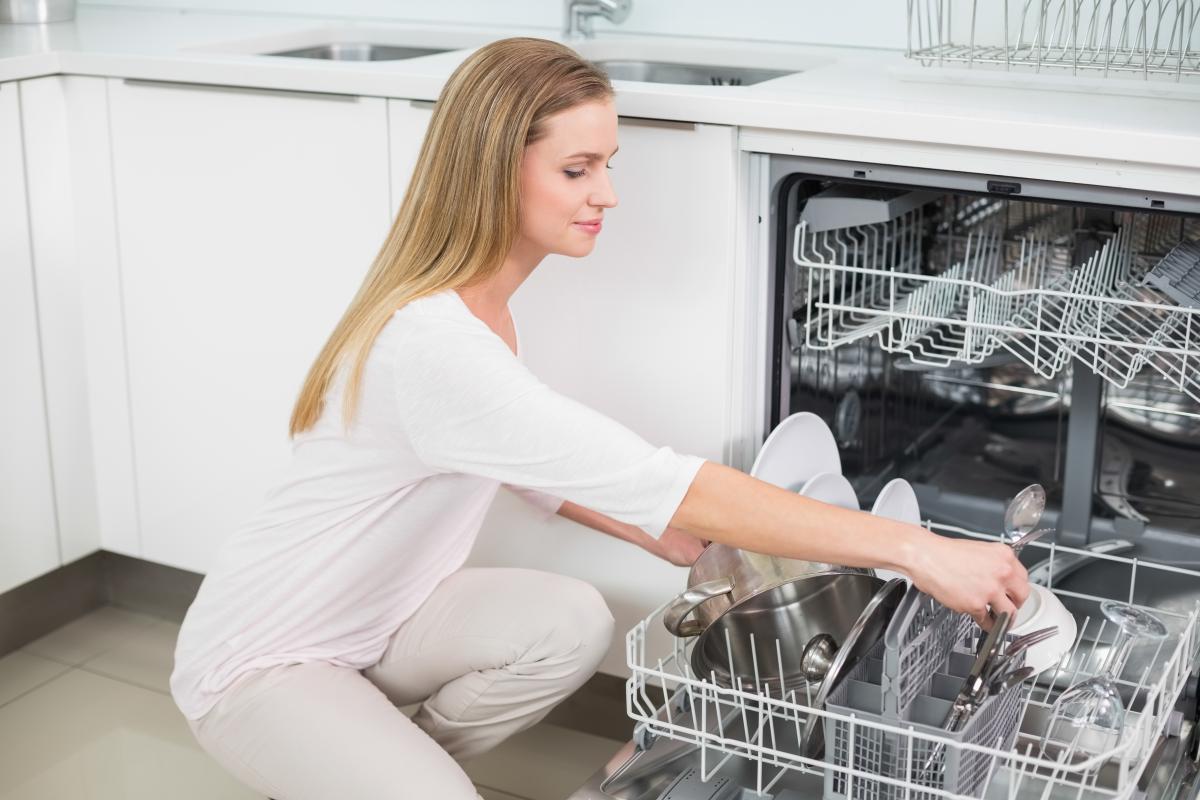
Dishwashers save time in modern kitchens but loading specific items into them can cause expensive damage, housecleaning expert Mary Marlowe Leverett has warned. Writing for the home media outlet The Spruce, Leverett compiled a list of 18 household items that home cooks should wash manually to avoid costly repairs or replacements.
The housekeeping authority advised that anyone who decides to machine wash sensitive cookware should place the items on the top rack only. She warned that homeowners must be prepared to accept the consequences if delicate kitchenware degrades in the machine.
Wooden utensils and pizza stones
Harsh dishwasher detergents wash away the natural oils that keep wooden kitchen tools and cutting boards from drying out. Once these protective oils are stripped away, the wood begins to crack over time.
Leverett advised washing wooden spoons, bowls, and cutting boards quickly by hand using warm water and a mild detergent. She cautioned against soaking wooden items because water absorption causes the wood to swell and warp. To sanitize wooden tools, Leverett recommended applying a mild bleach solution consisting of one-quarter cup of chlorine bleach mixed into two liters of warm water.
Natural pizza stones must also be washed by hand. High heat and harsh detergents can cause the stone material to crack and suffer permanent structural damage.
Kitchen knives, graters and sieves
Kitchen knives of all varieties should be kept out of the dishwasher for three distinct reasons, according to the report. Sharp edges can slice through the protective plastic coating on dishwasher racks and baskets, exposing underlying metal to rust. Unloading sharp blades also creates a safety hazard, particularly in households where children help unload dishes.
Harsh dishwasher detergents dull sharp knife edges over time while loosening or splitting wooden handles. For these reasons, hand washing remains the safest option for all cutlery.
Tools with sharp edges such as graters and sieves pose similar risks to plastic rack coatings. In addition, items featuring numerous small holes make it nearly impossible for high-pressure water jets to flush out trapped food particles, making manual scrubbing necessary for thorough cleaning.
Cast iron and aluminum cookware
Cast iron skillets can last for generations when properly maintained through seasoning with oil. The oil penetrates the iron surface to create a natural non-stick layer. Dishwasher detergents and heavy water cycles strip this oil away, leaving cast iron prone to rust and virtually unusable until the seasoning process is completely repeated. The same rule applies to cast iron pots and pans finished with external enamel coatings.
Aluminum cookware also suffers in dishwashers, turning dull and dark after exposure to detergent. Non-anodized aluminum develops pitting corrosion from aggressive chemicals, while detergent alkalinity leaves unsightly white spots across surfaces. Leverett advised hand washing aluminum pots, pans, and baking sheets even if manufacturers mark them as dishwasher safe.
To eliminate dark tarnish and white spots from aluminum, Leverett suggested creating a paste by mixing cream of tartar with warm water and scrubbing the pan thoroughly.
Copper mugs and pressure cooker lids
Copper mugs require specialized care to maintain their characteristic shine and bright finish. Aggressive chemicals in dishwasher detergents immediately dull copper surfaces and cause irreversible pitting and corrosion that cannot be restored by copper polishes.
Pressure cooker lids must never be placed in a dishwasher, even though inner cooking pots and multicooker bowls are machine safe. Pressure cooker lids contain delicate valves and vents that regulate operating pressure. Food particles washed into these small openings can cause the appliance to malfunction or explode during operation. Detergents can also degrade the rubber or silicone seals inside the lid.
Non-stick and ceramic cookware
Although many non-stick pans claim to be dishwasher safe, high drying temperatures and harsh detergents break down non-stick surfaces. Leverett advised skipping the heated drying cycle and allowing non-stick pans to air dry naturally if machine washed. Pans showing scratches, chips, or peeling surfaces should be replaced immediately because damaged coatings can release toxic substances into food.
Ceramic cookware features a ceramic coating applied over metal bases made of cast iron, aluminum, copper, or stainless steel. Leverett stated that ceramic cookware should always be washed by hand because dishwasher detergents containing bleach or citric acid degrade ceramic coatings.
Acrylic tableware and thermal mugs
Lightweight acrylic and melamine dinnerware are popular for their bright colors and shatterproof durability. However, high water temperatures, heated drying cycles, and strong detergents cause hairline cracks to form and fade surface patterns over time, particularly on budget sets.
Thermal travel mugs and insulated food containers rely on double-wall construction with an internal air gap to maintain temperatures. Washing insulated containers in dishwashers can compromise the seals, allowing water to penetrate the insulating air pocket. Leverett recommended hand washing all insulated containers, advising that any machine-washed containers be placed on the top rack with heated drying disabled.
Printed glass and thin plastic containers
Commercial printing on glassware rarely survives repeated dishwasher exposure, as detergent chemicals and water jets strip away printed logos within one or two washes. Hand-painted glassware should never enter a dishwasher, regardless of whether the glass was heat-treated during manufacturing.
Thin plastic containers, such as reused butter tubs and takeout containers, melt or warp when exposed to high dishwasher heat. If machine washed, they should remain on the top rack without heat drying.
Glass food jars can be safely cleaned in dishwashers only after paper labels are completely removed. Leaving paper labels on jars causes paper and adhesive to peel off, clogging dishwasher drains and garbage disposal units.
Gold flatware, fine china and vintage crystal
While sterling silver flatware withstands machine washing, gold-plated cutlery tarnishes and discolors when exposed to harsh detergents. Porcelain and fine china without metallic gold trim can tolerate dishwashers, but strong water pressure and detergents strip metallic gold detailing. Delicate china pieces should be loaded carefully to prevent them from bumping together and chipping.
Vintage glassware, fine porcelain heirlooms, and previously repaired items should always be washed gently by hand. High temperatures and detergents weaken repair glues, risking the loss of small fragments. If machine washed, heirlooms should rest on the top rack with stemware placed between tines rather than over them. Lead crystal can also turn cloudy and pitted when exposed to dishwasher chemicals.
Modern alternatives to countertop dish racks
As traditional countertop dish drying racks fall out of favor, modern space-saving solutions are replacing them in home kitchens, Ukrainian news agency UNIAN reported. Over-the-sink drying racks position drying dishes directly above the basin, allowing excess water to drain straight into the sink.
Multi-tiered over-the-sink models feature dedicated compartments for plates, glasses, and cutlery. This design eliminates drying clutter from countertops and maximizes available kitchen space.


