

Streaming platform Movistar Plus has premiered Infiltrada en Siria, a British documentary following researchers who exposed war crimes committed by former Syrian president Bashar al-Assad.
The release comes just days after a Syrian court sentenced al-Assad to death in absentia, finding him guilty of atrocities committed during nearly 14 years of civil war. The 76-minute production was created by British broadcaster Channel 4 in collaboration with Dogwoof and directed by Sam Benstead.
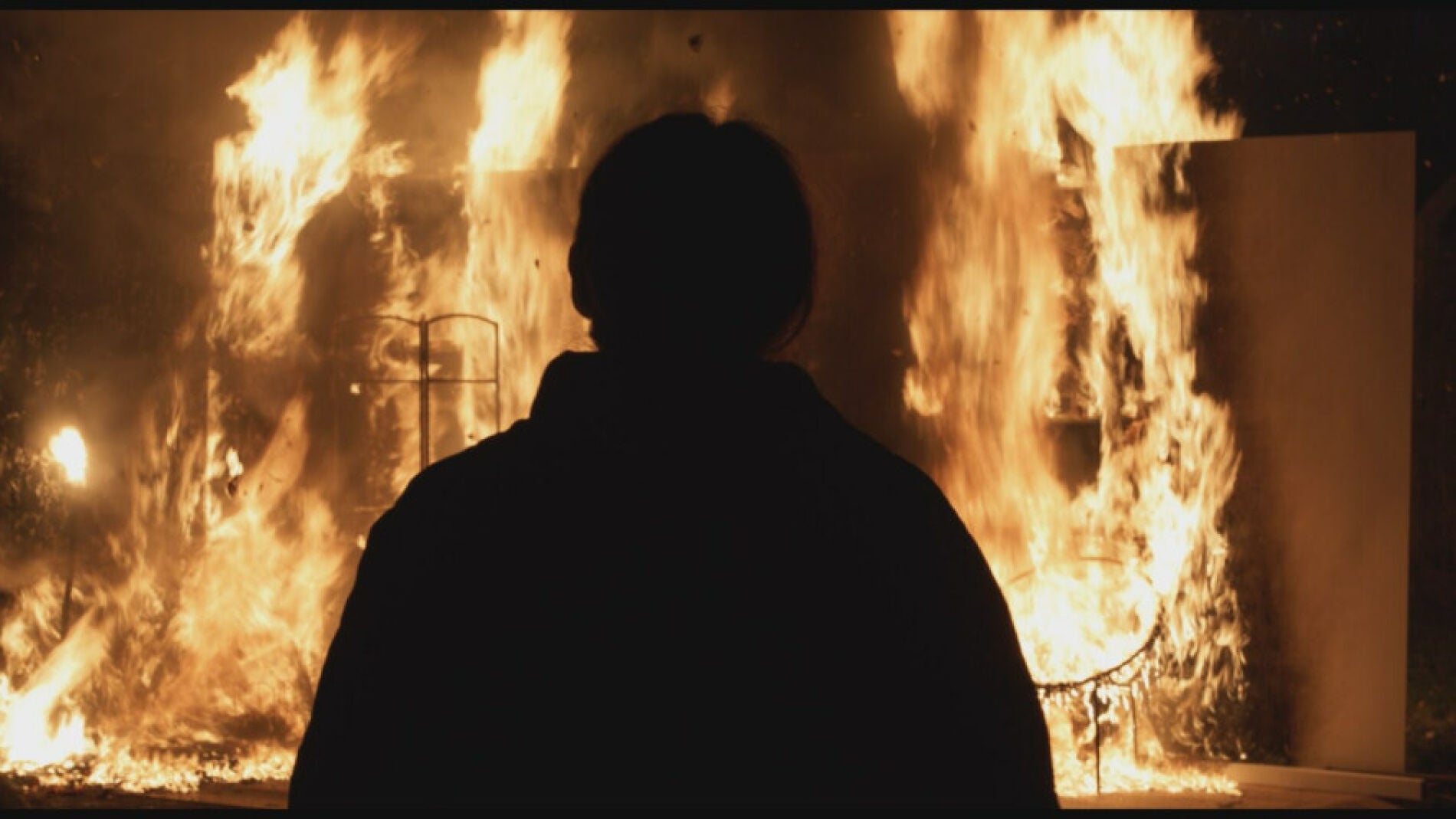
Presented as a psychological thriller, the film reconstructs a citizen investigation that uncovered systematic regime executions by contacting the perpetrators directly. The effort began when researchers noticed that while intelligence agents operated with unchecked brutality in secret, many maintained public social media profiles where they posted everyday photographs.
Social media traces and the Tadamon massacre
Turkish-Dutch academic Ugur Ümit Üngör and Syrian researcher Annsar Shahhoud, both from the Center for Holocaust and Genocide Studies at the University of Amsterdam, launched the inquiry after receiving leaked video footage. The material showed the cold-blooded execution of unarmed, blindfolded, and bound civilians who were thrown into a mass grave in the Tadamon neighbourhood, south of Damascus.
Investigators used a facial scar visible in the video to search dozens of online profiles until they identified intelligence officer Amjad Youssef as the principal figure in the massacre. To gather legal evidence that could hold up in court, Shahhoud created a fake Facebook profile named Anna.

Undercover Facebook operation and confessions
Posing as an overseas supporter of al-Assad researching a university thesis on the National Defence Forces, Shahhoud gained the trust of Syrian military commanders. The commanders began treating the persona as a confidante, allowing her to gain direct access to regime officials.
Shahhoud drew on a dissociative disorder caused by early wartime trauma as a protective shield to maintain composure during calls. Her conversations extracted explicit confessions from perpetrators, including statements from Youssef that he had killed many people and was proud of his actions, though managing the dual identity caused her severe emotional distress.

Filmmaking approach and viewer warnings
The documentary uses fast-paced editing and actual recorded conversations to recreate the events without showing explicit graphic violence on screen. Reviewers note that the moral weight of the confessions makes the viewing experience challenging for sensitive audiences, while illustrating how citizens established accountability from the ground up.