

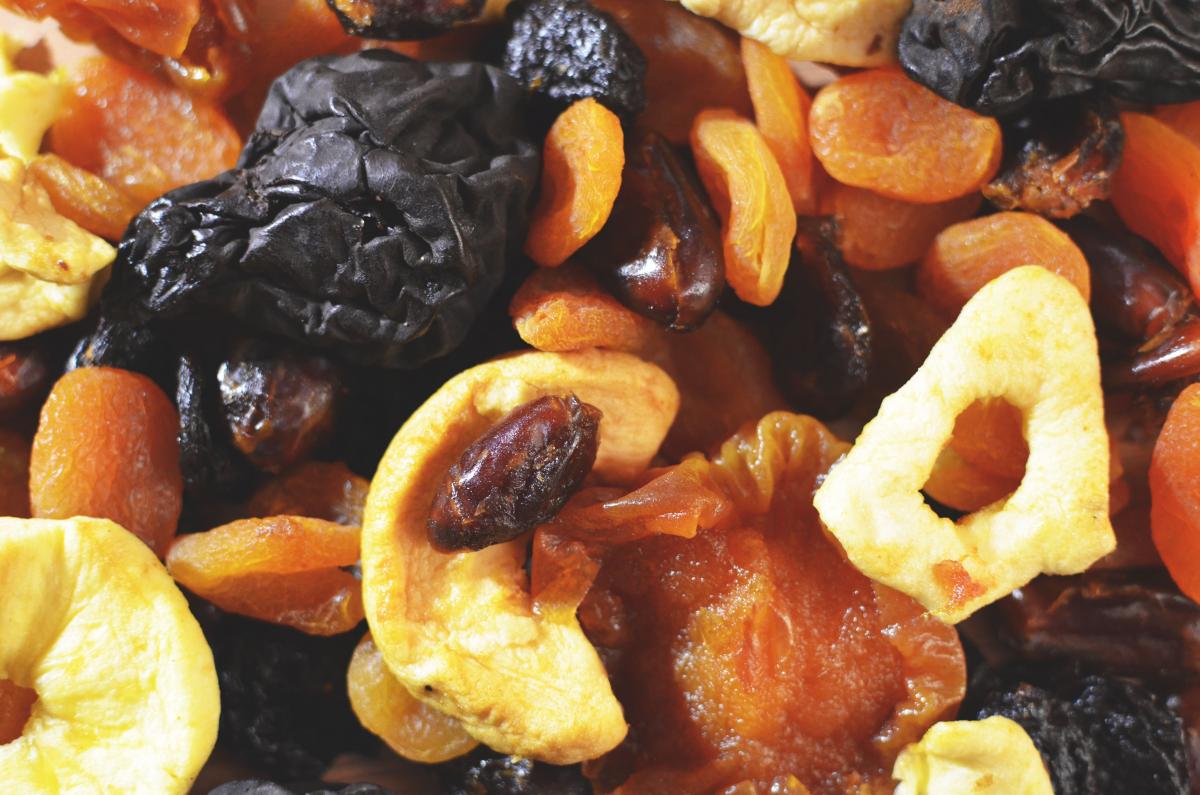
Dried apricots contain more than three times as much potassium as bananas, delivering around 1,162 milligrams of the mineral per 100 grams, according to agricultural publication Sadyogrody.
While fresh bananas are widely recognised as a go-to dietary source of potassium, a matching 100-gram serving of fresh bananas provides only 350 to 380 milligrams. The sharp contrast highlights how drying fruit concentrates essential nutrients into a compact, calorie-dense snack.
During the drying process, fresh apricots lose most of their water content. As moisture evaporates, the sugars, calories, and minerals within the fruit become concentrated, allowing even small servings to supply meaningful quantities of potassium and dietary fibre. Ukrainian news agency UNIAN reported on the findings from Sadyogrody, noting that dried apricots offer substantial nutritional value alongside their sweet taste.
Nutritional benefits of dried apricots
A standard 100-gram portion of dried apricots provides approximately 250 calories and between 7 and 8 grams of dietary fibre, the publication explained. Dietary fibre is essential for normal digestive function, helping stimulate bowel movement, improving stool bulk and consistency, and promoting regular toilet habits.
Because dietary fibre absorbs liquid as it moves through the digestive tract, nutrition experts stress that anyone increasing their intake of dried fruit must drink plenty of fluids. Without adequate water consumption, concentrated dietary fibre cannot perform its digestive role properly.
Daily portion sizes and serving ideas
Despite their nutritional benefits, dried apricots should be eaten in moderation due to their high calorie density and natural sugars. Sadyogrody noted that a small portion of two or three pieces is sufficient to boost nutritional intake without overloading on calories.
A modest portion of two or three dried apricots works well as an addition to breakfast or as a quick snack between meals. The fruit pairs easily with morning oatmeal, plain yoghurt, cottage cheese, or a handful of nuts, providing natural sweetness without the need for refined sugar.
How to choose unsulfured dried fruit
Shoppers are advised to check product labels carefully before buying dried apricots in supermarkets or health food stores. Some commercial processors treat dried apricots with sulfur dioxide, a chemical preservative that prevents browning and keeps the fruit a vivid orange colour.
In contrast, unsulfured dried apricots are processed without this additive and naturally develop a darker, brownish shade as they dry. While less visually bright, unsulfured apricots offer the same nutritional profile and allow consumers to avoid chemical additives.
Why potassium matters for human health
Potassium is an essential mineral and electrolyte that plays a vital role in everyday human health. It helps regulate fluid balance and electrolyte levels throughout the body, supports normal nervous system signalling, and enables proper muscle contractions, including the steady beating of the heart.
Maintaining adequate potassium intake is also critical for supporting healthy blood pressure. The mineral helps counter the effects of dietary sodium, easing tension in blood vessel walls and reducing strain on the cardiovascular system.
Other potassium rich foods and drinks
Although dried apricots are exceptionally rich in potassium, the publication concluded that people do not need to depend on them alone. Potassium is widely distributed across common fruits, vegetables, and legumes, including potatoes, tomatoes, spinach, avocados, bananas, prunes, and beans.
Dietary advice highlighted by UNIAN also pointed to other simple dietary choices for long-term wellness. For digestive comfort, the agency highlighted a light Polish soup recommended for individuals with sensitive digestive systems, noting that it digests easily, satisfies hunger, and helps reduce post-meal bloating and stomach heaviness.
For cardiovascular support, dietitians outlined several everyday beverages that can help lower blood pressure naturally. Their recommendations included pomegranate juice, green tea, hibiscus tea, and beetroot juice, all of which contain plant compounds that promote vascular health.


