

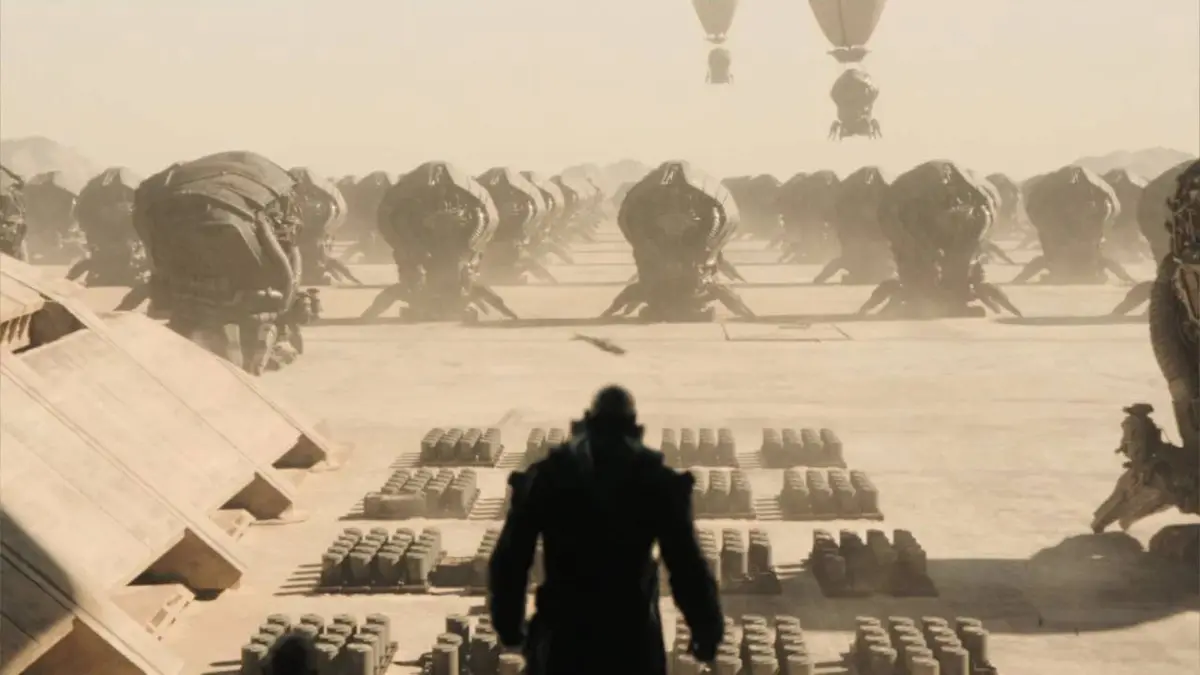
Frank Herbert's seminal sci-fi novel Dune inspired modern entertainment giants Star Wars and Game of Thrones before their own screen success paved the way for director Denis Villeneuve's upcoming third film adaptation.
Although Herbert published his original book decades before George Lucas and George R.R. Martin released their respective sagas, recent movie adaptations of the epic story have entered a symbiotic relationship with the very works it originally influenced.
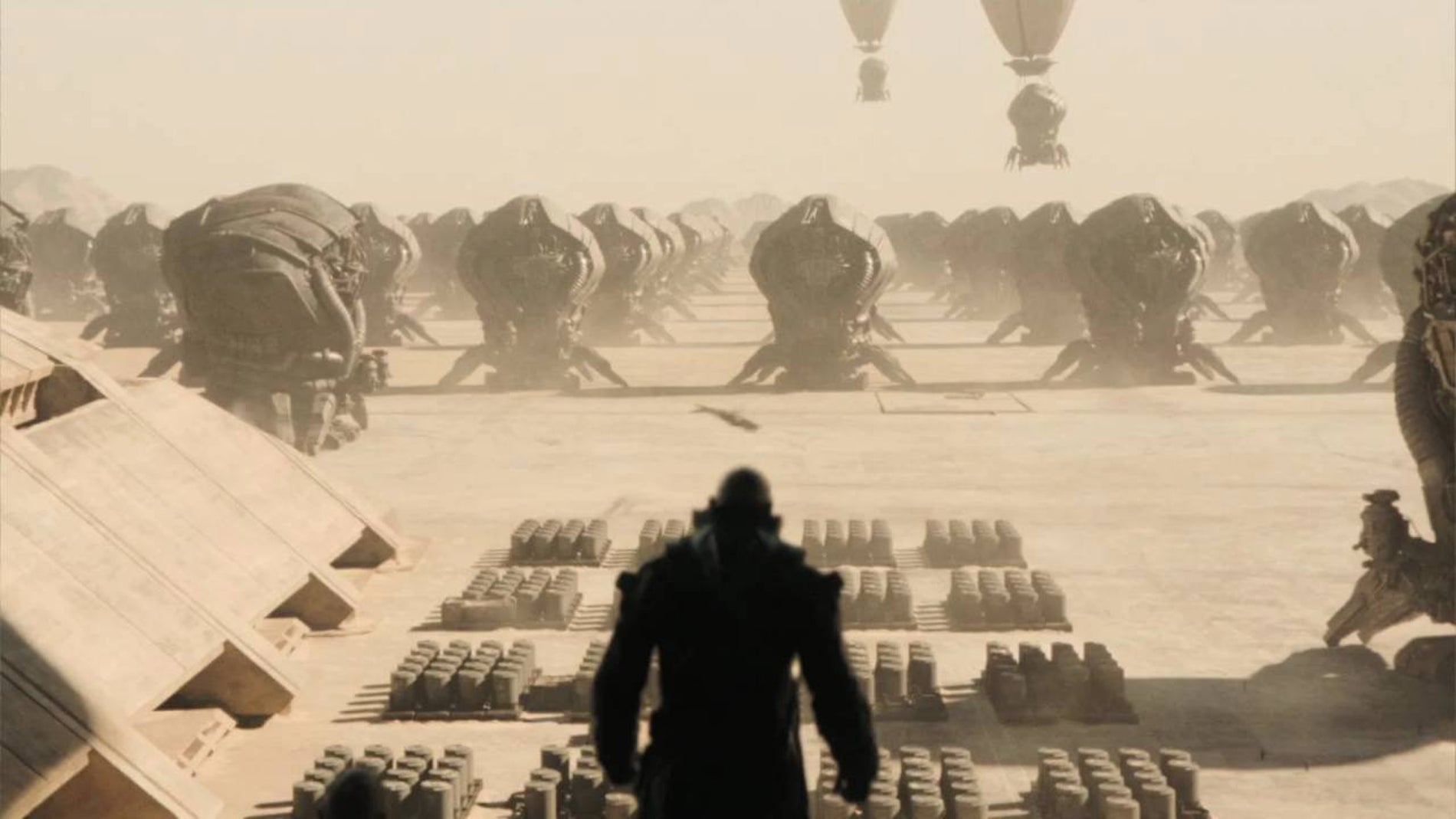
The original Dune novel established foundational elements of modern science fiction and fantasy, introducing a sweeping space epic driven by political maneuvering, noble families, ancient prophecies, and ruthless struggles for power. The narrative set the standard for world building long before later franchises brought similar thematic ingredients to mass global audiences.
Sci-Fi Connections with Star Wars
The most direct parallels to Herbert's work appear in Star Wars, the blockbuster space franchise created by George Lucas in 1977. Although Lucas has never fully acknowledged the extent to which Dune shaped his fictional universe, narrative and visual similarities between the two properties remain prominent.
The desert planet of Tatooine closely resembles Arrakis, the primary setting of Dune. Both fictional worlds feature harsh desert landscapes dominated by vast sand dunes, though Arrakis is orbited by two moons while Tatooine famously features iconic twin suns.
Geographical settings are not the only shared element across the two franchises. The giant sandworms native to Arrakis find a clear equivalent in the carnivorous sarlacc creatures of Star Wars, while the galactic Empire of Lucas's universe mirrors Herbert's feudal Imperium.
Subtle narrative concepts also connect the stories, including the strategic importance of spice, ancient prophecies of a savior, and the rise of a chosen leader who is eventually drawn into dark power.
Parallels in Game of Thrones
Fantasy saga Game of Thrones, adapted from George R.R. Martin's novel series A Song of Ice and Fire, also inherited foundational concepts from Herbert's sci-fi epic despite occupying a visually distinct fantasy genre.
The central feudal clash between House Stark and House Lannister echoes the bitter rivalry between House Atreides and House Harkonnen in Dune. Both storylines rely heavily on family grudges, intricate political conspiracies, and devastating betrayals among ruling dynasties.
Specific character arcs show strong structural similarities as well. Lord Ned Stark shares key narrative functions with Duke Leto Atreides, as both patriarchs serve as central moral figures whose unexpected deaths trigger widespread conflict across their respective worlds.
The Fall of the Chosen One
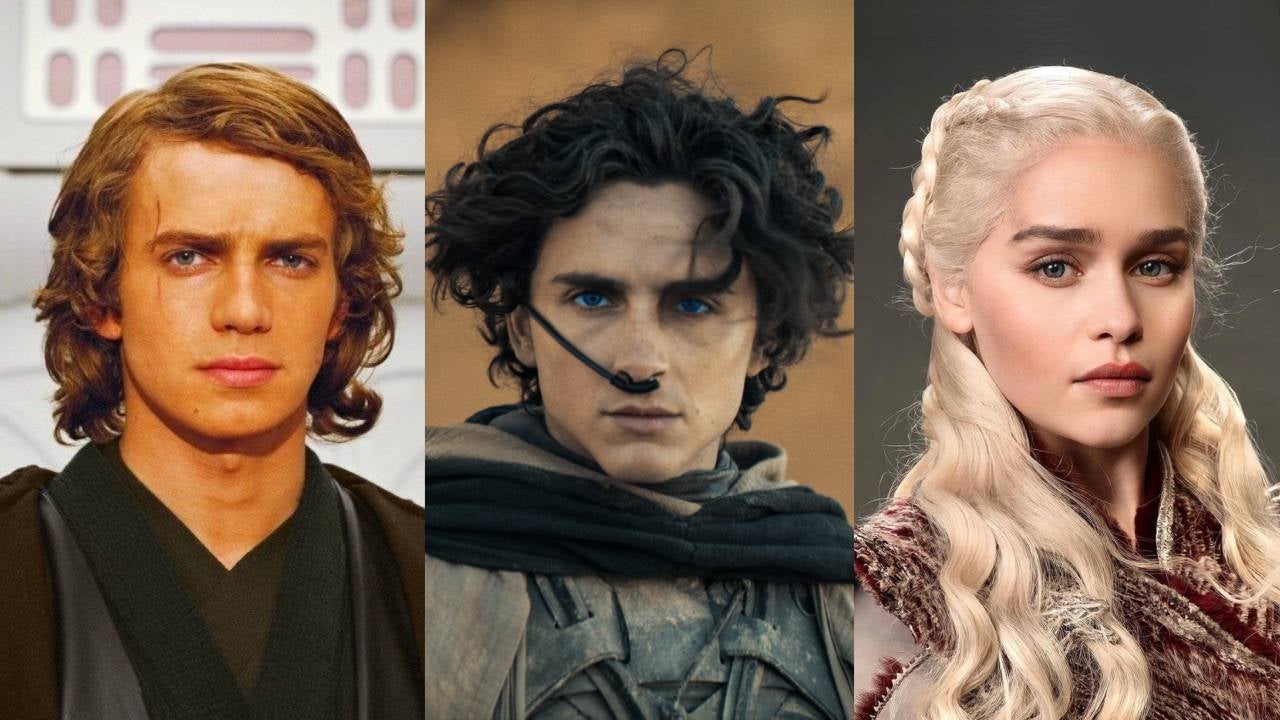
All three franchises share a central narrative trope regarding the subversion of the chosen one archetype. Paul Atreides evolves from a heroic protagonist into a far more complex and morally ambiguous figure as his journey unfolds.
A similar thematic trajectory appears in Game of Thrones with Daenerys Targaryen and in Star Wars with Anakin Skywalker. Both characters begin as figures of hope before their trajectories stray from traditional heroic expectations and they are ultimately consumed by darkness.
Groundwork for Modern Dune Films
This cross-generational influence created a unique exchange between the sagas. As director Denis Villeneuve prepares the third entry in his Dune movie series, his films benefit directly from the cinematic landscape established by Star Wars and Game of Thrones.
The massive theatrical success of Star Wars proved to Hollywood studios that a large-scale space epic could become a mainstream cinematic spectacle. Decades later, Game of Thrones demonstrated that a complex, adult narrative rich in political intrigue could capture a massive global television audience.
By building upon the path paved by its thematic successors, Herbert's original sci-fi epic has successfully reclaimed its position at the peak of modern popular culture.