

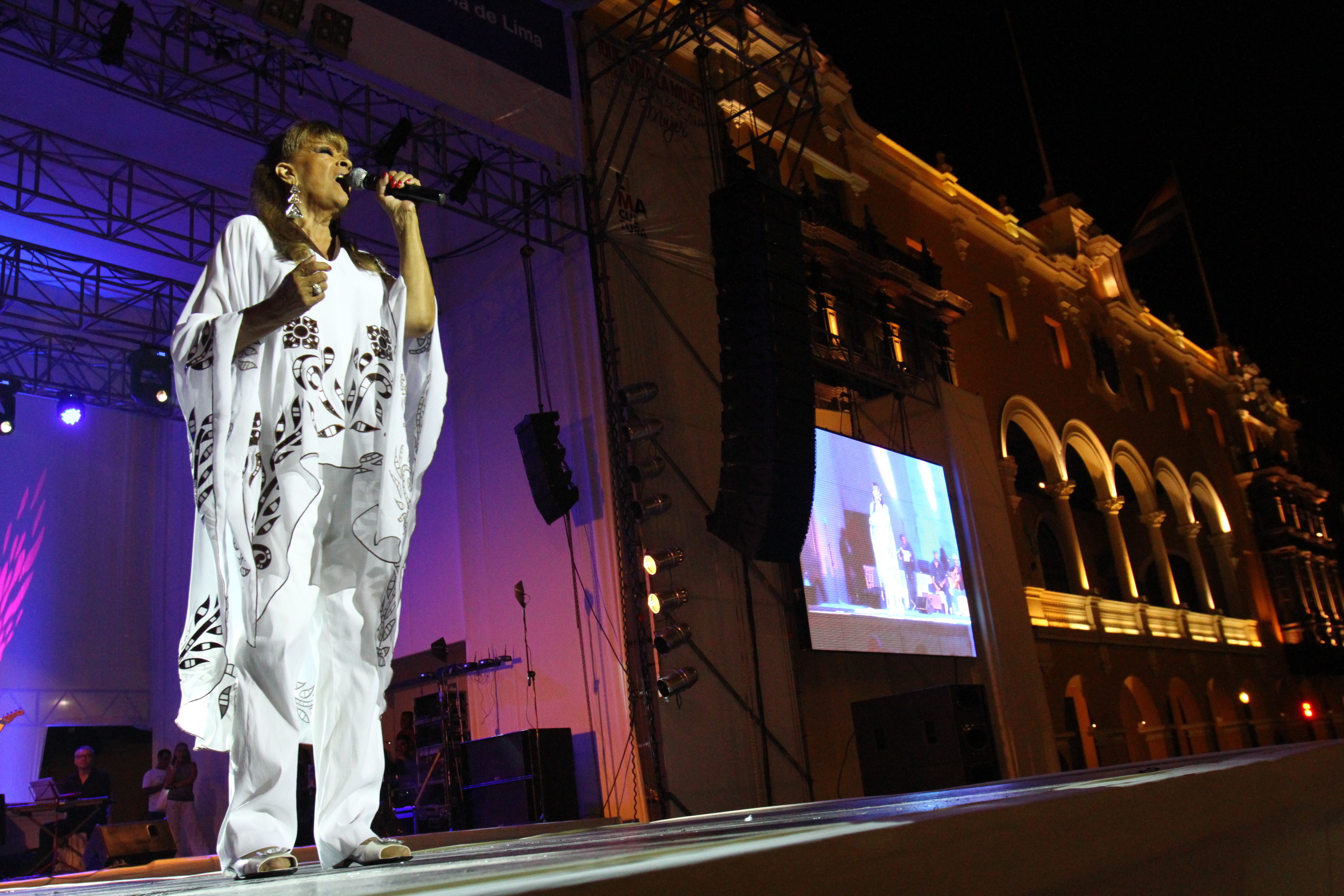
Peruvian singer Edith Barr, a pioneer of traditional música criolla who mentored generations of South American artists, has died at the age of 90 in Lima, Peru.
Her daughter, Mily Salvany, announced her mother's passing in a message to friends, expressing her grief over the loss of the beloved performer.
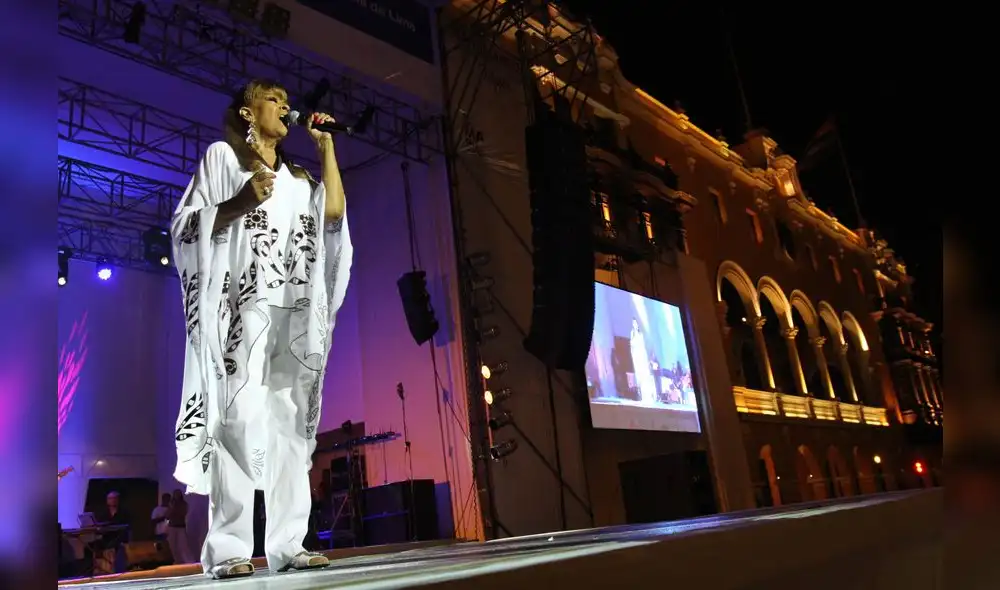
Known throughout her career as La Flor Morena de la Canción Criolla, or the Dark Flower of Criollo Song, Barr was the first vocalist to interpret the famous Peruvian waltz Regresa. Her signature voice and stage presence made her one of the defining figures of twentieth-century South American folk music.
Born in the working-class district of La Victoria in Lima on June 1, 1936, Barr demonstrated musical talent from an early age. Her mother encouraged her to sing and pursue a musical career, with Barr later recalling that her mother had always admired her artistic gifts. By the age of 13, her singing was already featured regularly on local radio stations.
As a teenage vocalist during the golden era of Peruvian radio broadcasting, Barr appeared frequently on major stations including Radio Nacional and Radio Excelsior. During these live broadcasts, she performed alongside the leading musical stars of the era, quickly establishing herself as a national favorite.
International success and classic repertoire
Throughout her career, Barr developed a widely celebrated repertoire of traditional coastal music. Her performances featured landmark works such as Indio and Viva el Perú y sereno, composed by Alicia Maguiña, as well as celebrated compositions by Chabuca Granda, including José Antonio, Bello durmiente, and Flor de la canela.
Barr carried the sounds of Peruvian coastal culture abroad, becoming the first Peruvian artist to perform at prestigious international venues in the United States. Her overseas engagements included celebrated concert appearances at the Waldorf Astoria Hotel in New York City and the Fontainebleau Hotel in Miami Beach.
Música criolla is a traditional genre of the Peruvian coast that synthesizes Spanish, African, and Indigenous cultural traditions through coastal waltzes, polkas, and rhythmic cajón percussion. Barr's international appearances during the mid-twentieth century introduced this distinct coastal heritage to major North American luxury venues.
Mentorship and tributes from fellow artists
Beyond her accomplishments as a solo vocalist, Barr played a pivotal role as a teacher and mentor to subsequent generations of Peruvian performers, including prominent singers Eva Ayllón, Cecilia Bracamonte, and Esther Dávila, known professionally as Bartola.
Following the announcement of her death, Ayllón paid tribute to her former teacher, describing Barr as a great figure of Peruvian music. Ayllón expressed gratitude for Barr's affection, guidance, and lasting influence on her life and career, noting that the master singer's voice and legacy would endure forever.
Bracamonte, among the first to react to the news, expressed deep sorrow over the passing of a close friend, colleague, and singular artistic role model. She stated that she had strove to follow Barr's professional example throughout her career with successful results, thanking her for the seeds of artistic discipline she had planted.
Bartola also honored Barr as an absolute legend of the criollo tradition who exemplified artistic excellence. She highlighted that Barr taught younger singers essential stagecraft, including how to present themselves before an audience, how to dress for performances, and how to maintain professional standards on stage.
Later years and final stage appearances
In 2013, Barr headlined a major concert titled Arte a paso llano, which brought together the leading figures of Peruvian criollismo. The concert concluded with Barr taking the stage after a performance by Tania Libertad. Barr performed José Antonio while a chorus of prominent artists, including Ayllón, Bracamonte, Bartola, Lucy Avilés, Julie Freundt, and Miguel Barraza, provided backing vocals.
In 2019, Barr publicly revealed that she was battling the onset of Alzheimer's disease, a progressive neurological disorder that affects memory and cognitive function. Despite her health struggles in her later years, her contributions to Peruvian cultural heritage remain widely recognized across the country.