


The memory of Spanish singer, songwriter, and actor José Luis Cantero Rada, known across Spain by his stage name El Fary, remains vibrant 19 years after his death. The Madrid-born artist, who died in 2007, built an influential career spanning four decades while earning widespread affection for his humble demeanor, generosity, and personal connection with fans.
Born on August 20, 1937, in the working-class Las Ventas neighbourhood of Madrid, near the capital's historic bullring, Cantero achieved mainstream popularity across the 1970s, 1980s, 1990s, and 2000s. Throughout his life, he remained celebrated as a dedicated worker and a modest figure who showed consistent warmth and empathy toward his thousands of supporters.
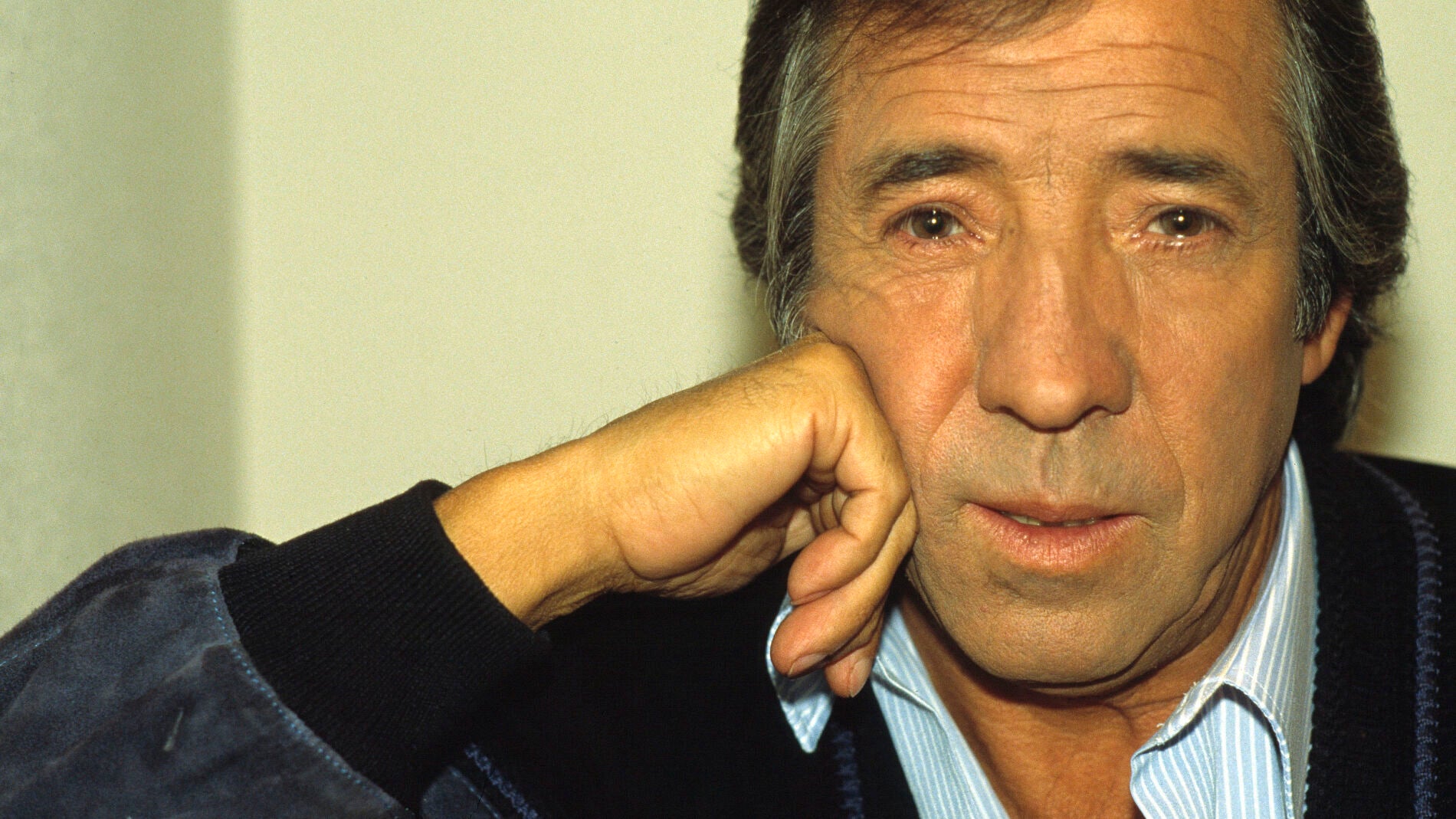
Cantero's family originally hailed from Buenache de Alarcón, a small municipality in the central Spanish province of Cuenca. As a child growing up in Madrid, he frequently skipped school to imitate famous stars of copla, a genre of traditional Spanish narrative song. He was particularly inspired by the Salamanca-born copla singer Rafael Farina, from whom he adopted his stage pseudonym. Before adopting the name El Fary, he was known locally around his home district as El Farina de Ventas.
His earliest song, titled "El toro guapo", was composed for him by two close personal friends, Andrés Garrido Anguita and José Antonio Quesada Olmo, who was widely known by the nickname "el Quesos".
Early life and humble beginnings
Before establishing himself as a commercial artist, Cantero worked a variety of manual jobs to raise the funds required to record his initial music tracks. At the age of 13, he took his first job working in a neighbourhood bar, though he left the position after a brief period to work delivering fruit directly to local homes.
He subsequently worked as a gardener alongside one of his brothers in Torrejón de Ardoz, a municipality located just east of Madrid. Following the completion of his mandatory military service, he began working as a taxi driver in the Spanish capital.
Once his first record singles were produced, Cantero sold them himself at the Rastro, Madrid's famous open-air Sunday flea market. During this period of self-promotion, he also competed in regional radio talent contests and performed live at local community festivals.
Cantero frequently shared a famous anecdote from his years behind the wheel, telling acquaintances that he had spent an entire night with the iconic Hollywood actress Ava Gardner. He later clarified the story, explaining that on one evening in 1960, he picked up the American star in his taxi and drove her to a flamenco venue in Madrid. Gardner, who was a well-known figure in the capital's nightlife scene, asked him to wait outside the venue, which he did until dawn before driving her back to her hotel.
Breakthrough into professional music
Cantero began earning a steady income as a professional singer after stepping in as a last-minute substitute for the veteran copla artist Pepe Blanco during a performance in Pozoblanco, a town in the southern province of Córdoba.
Recognising his vocal talent, the legendary Spanish singer and actor Antonio Molina subsequently hired Cantero for a two-month professional tour. Cantero began releasing commercial singles in 1972 and put out his debut full-length album in 1975, maintaining an active recording schedule until his death in 2007.
In the 1990s, Cantero expanded his career into television acting by starring in the popular Spanish comedy series "Menudo es mi padre", in which he played the lead role of a Madrid taxi driver. The television script was written specifically for him, with the title serving as a humorous play on words referencing his short physical stature.
Throughout his later career, Cantero acted as a mentor to several younger musical acts. Among those he supported were the teenage pop singer Melody and his own son, pop musician Javi Cantero.
Film icon and pop culture legacy
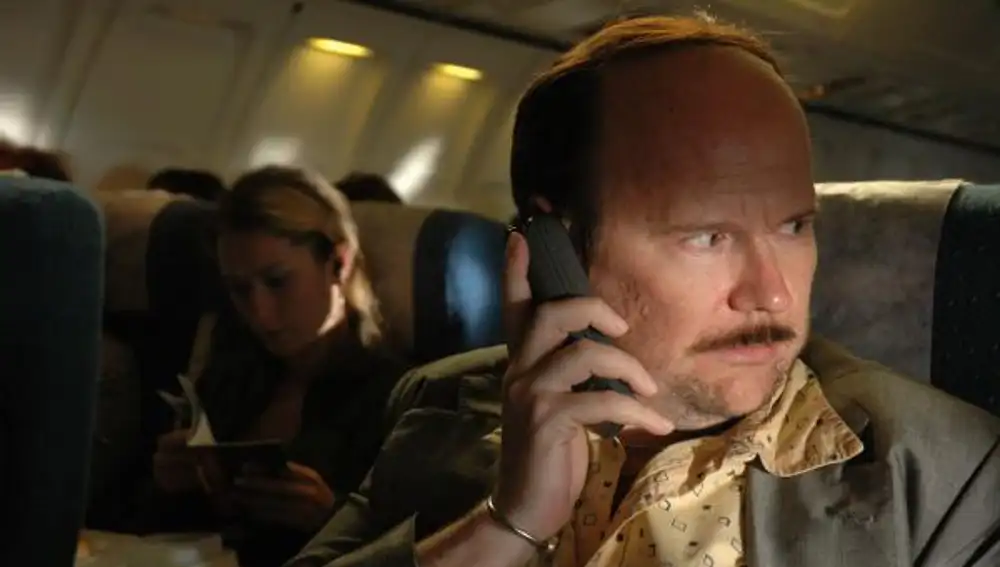
Toward the end of the 1990s, Spanish filmmaker and actor Santiago Segura incorporated El Fary into mainstream cinematic culture by featuring him as the hero of the main character in the comedy film "Torrente: El brazo tonto de la ley". The movie centred on José Luis Torrente, an ill-mannered, sexist, and corrupt former police officer who idolises the singer.
The film's soundtrack opened with a custom-recorded song by Cantero titled "Apatrullando la ciudad", which became a major hit alongside the box-office success of the movie. Cantero later made a cameo appearance playing himself in the 2005 sequel "Torrente 3: El Protector".
The movie franchise also inspired a unique piece of commercial merchandise called the "Carrofary", a small rubber figure of the singer designed to hang from automobile rear-view mirrors.
Final illness and resting place
In January 2006, Cantero was diagnosed with terminal lung cancer, with medical specialists estimating his remaining life expectancy at approximately one year and a half. Although his family initially sought to keep his health condition private, Cantero publicly disclosed his terminal diagnosis two months later during what proved to be his final media interview.
Cantero died on June 19, 2007, at the age of 69 in a Madrid hospital. Following his death, his body was cremated.
In accordance with his wishes, half of his ashes were scattered across the countryside in the municipality of Cenicientos, located in western Madrid province. The remaining half of his ashes rests in the garden of remembrance at Almudena Cemetery, the principal historical cemetery in the city of Madrid.