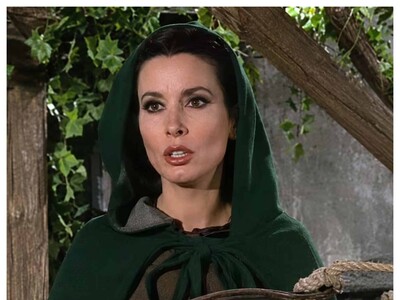
Spanish actress Elisa Ramírez, who built an extensive career across national television, cinema and the theatre, has died at the age of 82.
The municipal council of Alzira, her hometown in the eastern Spanish province of Valencia, confirmed that her death occurred on Tuesday, according to the Spanish news agency EFE. Ramírez was particularly remembered by domestic audiences for her performances in televised dramatic programmes on the state broadcaster Televisión Española (TVE), most notably the long-running theatre showcase Estudio 1.
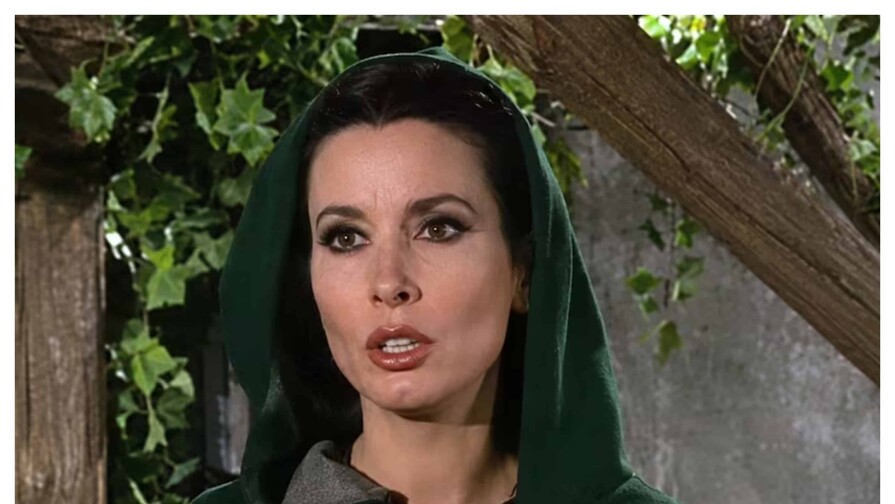
In a message published on social media, the Ayuntamiento de Alzira stated that the city joined in the grief over her death and wished to pay tribute to her memory. Municipal officials praised her artistic legacy, adding that she contributed to the acting profession, maintained a permanent bond with her birthplace and carried the name of Alzira beyond Spain's borders.
Alzira is a city situated on the banks of the Júcar River in the Valencian Community, located south of the regional capital of Valencia.
Film career and breakthrough in La Celestina
Born in Alzira in December 1943, Ramírez worked across film, theatre and television for more than four decades. She made her big-screen debut in 1963 in the feature film Llegar a más.
She achieved wider national prominence with the 1969 film La Celestina, in which she portrayed the young noblewoman Melibea. Adapted from the classic work attributed to Fernando de Rojas and first published in 1499, La Celestina is regarded as one of the foundational masterpieces of Spanish literature, centring on the tragic courtship of Calisto and Melibea arranged through an ageing matchmaker.
Throughout her cinema career, Ramírez took roles in a series of Spanish motion pictures covering both literary adaptations and contemporary comedies. Her filmography included Platero y yo, based on the celebrated lyric prose book by the Nobel Prize-winning Spanish poet Juan Ramón Jiménez, as well as Querido profesor, La mujer de otro and El hombre que se quiso matar.
Stage company with Diego Serrano
Alongside her work in front of the camera, Ramírez remained a dedicated stage actress and theatrical impresario. In 1971, she established her own theatre company in partnership with the actor Diego Serrano.
Operating an independent company allowed the pair to mount productions combining original Spanish plays with translations of international works. Among the notable stage productions presented during her theatrical career were Elena de las mentiras, A media luz los tres and La esposa constante.
A media luz los tres is one of the best-known comedies written by the 20th-century Spanish playwright Miguel Mihura, while La esposa constante is the Spanish-language stage version of The Constant Wife, the drawing-room comedy by the British writer W. Somerset Maugham.
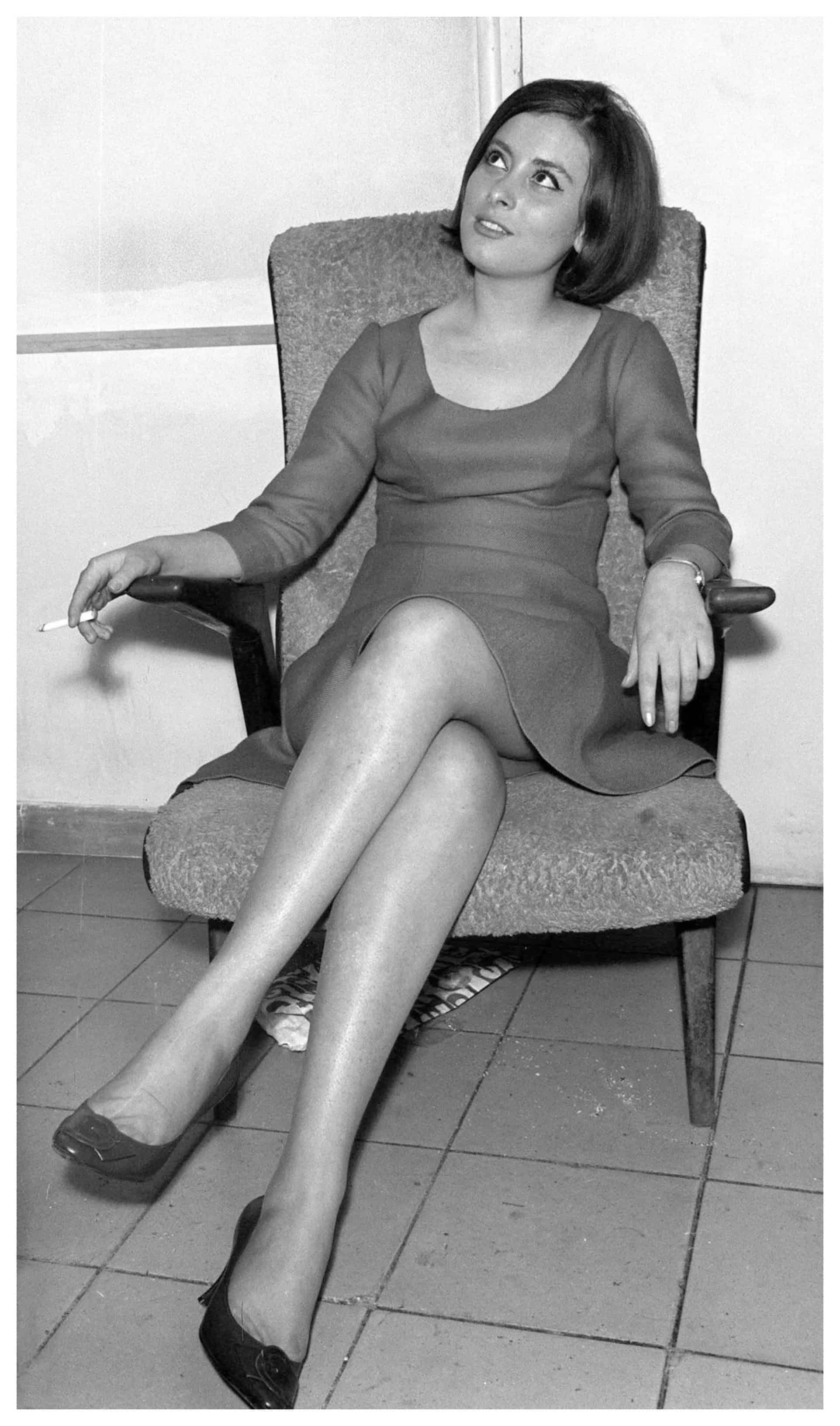
Television roles on Televisión Española
For generations of viewers in Spain, Ramírez was closely linked with the golden era of studio drama on Radiotelevisión Española (RTVE), the country's state-owned public broadcasting corporation. Her credits on Estudio 1 included the 1980 television production of La moza del cántaro, a staging of the Spanish Golden Age comedy written by the dramatist Lope de Vega.
First broadcast in 1965, Estudio 1 served as Televisión Española's flagship dramatic anthology series, bringing full-length studio productions of classic and modern stage plays into living rooms across the country. Earlier in her career, Ramírez had also performed on Primera fila, the 1960s TVE dramatic anthology programme that preceded Estudio 1.
Her small-screen work spanned several genres on Spanish public television. She appeared in Historias para no dormir, the landmark horror and suspense anthology series created by the director Narciso Ibáñez Serrador, as well as the period adventure adaptation Los tres mosqueteros, based on Alexandre Dumas's novel, and the series Tristeza de amor.
In 2005, Ramírez received an official career tribute at the Mostra de València, the international Mediterranean film festival held in her native province. The honour joined earlier awards recognising her decades of contributions to the performing arts in Spain.