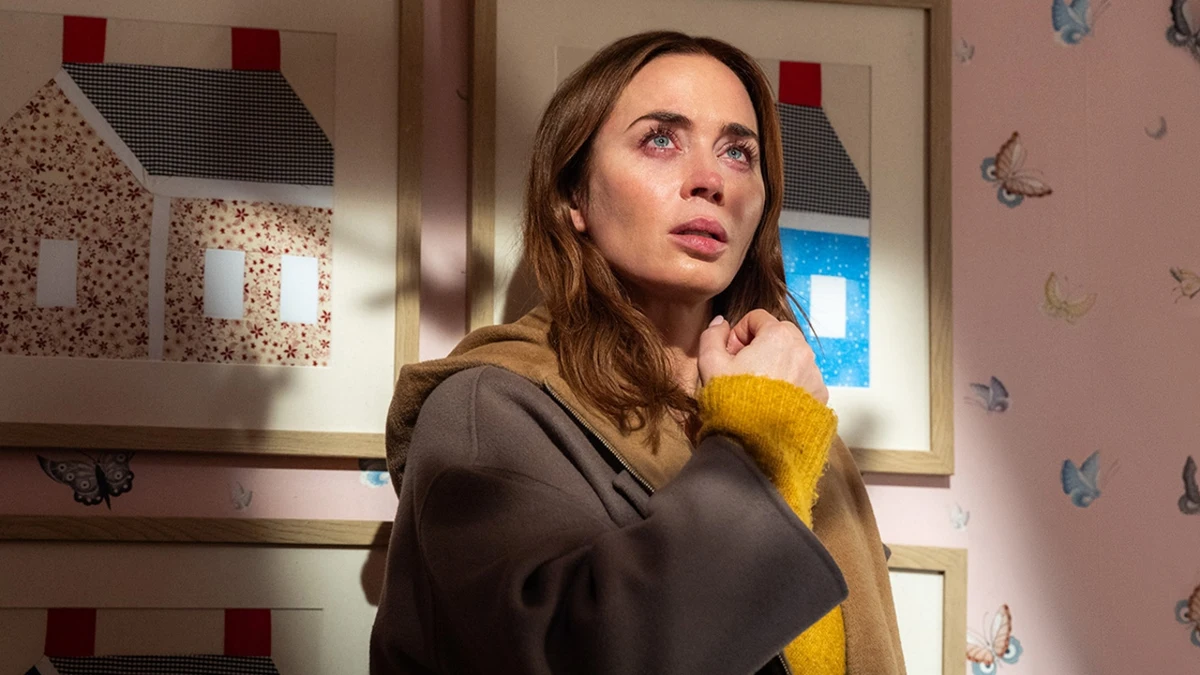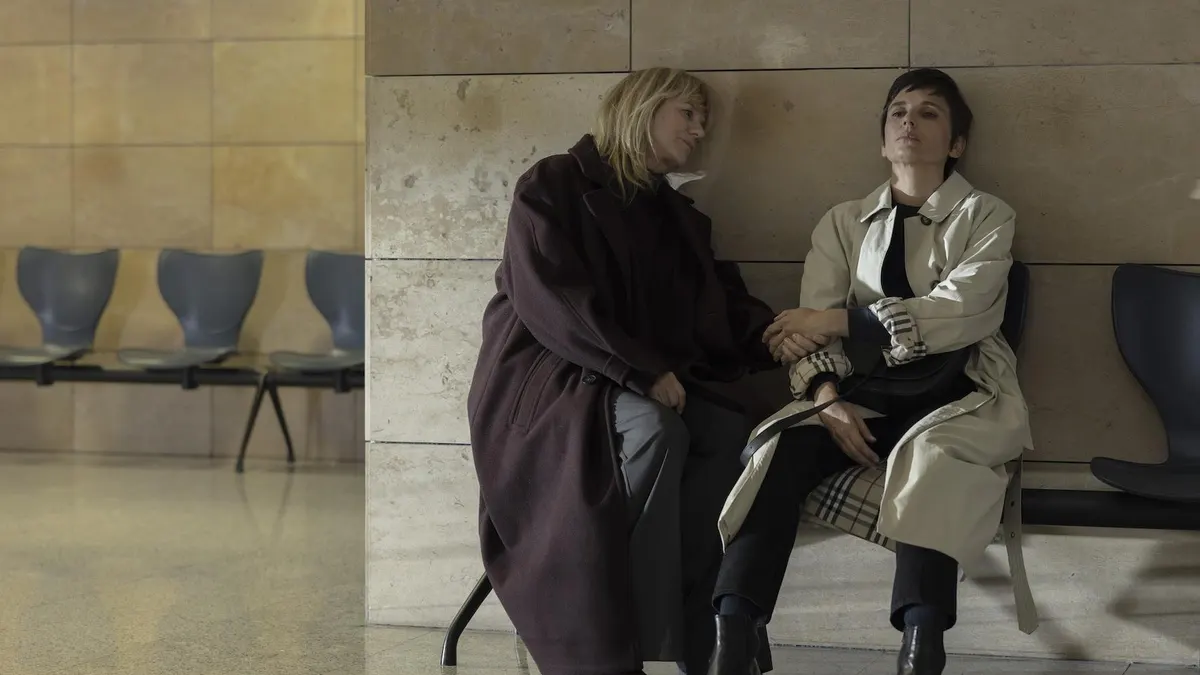
Spanish director Esteban Magaz has made his feature film debut with "El pezón de Elena" ("Elena's Nipple"), a dialogue-free drama starring Silvia Acosta as a woman working through grief after a phone call that shatters her life.
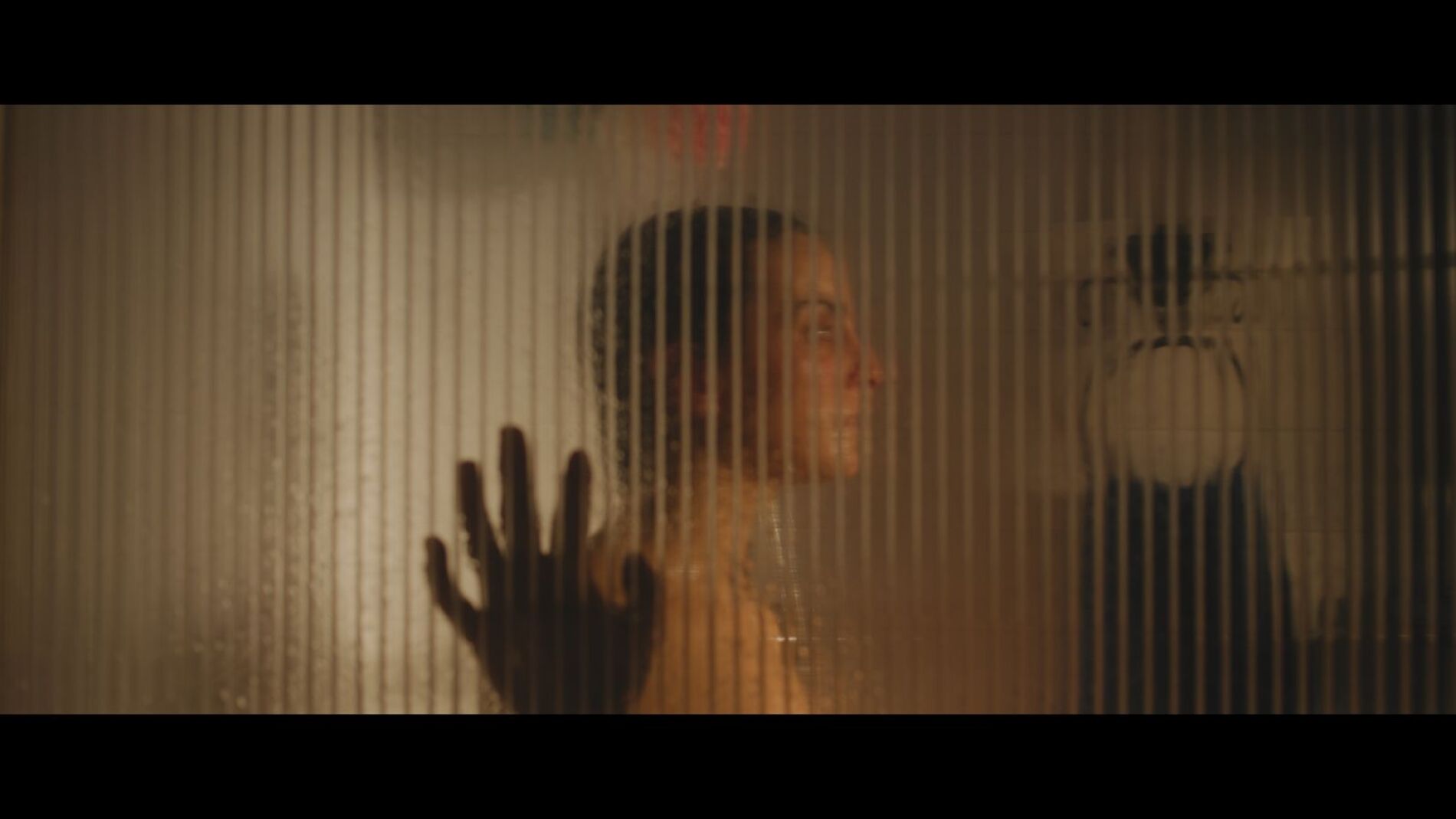
Magaz, who comes from the province of Huelva in southern Spain, said the film's uncompromising format, a story carried entirely through image, body and landscape rather than words, made it difficult to secure financing. He said the biggest obstacle in making the film was finding producers willing to take a chance on something so far outside the norm. He added that the backing he eventually found allowed him to make the film with the creative freedom he wanted.
A dialogue-free feature is a harder sell for investors than a conventional script, since it relies on visual storytelling and performance rather than lines that can be pitched on the page. Passion projects with such unconventional formats often take longer to reach production, as financiers typically favour scripts with a clearer commercial hook.
In the film, Elena, played by Acosta, receives a call that collapses her world and retreats to an old house by the sea. There, her grief drags her into a spiral of withdrawal and abandonment.
Telling grief without words
Magaz said he chose to portray Elena's mourning through her solitude rather than through dialogue that would explain what she was going through, arguing it made no sense to write lines for a character left entirely alone.
Nature takes on the role of a companion and guide as Elena gradually sheds her own humanity, until a seemingly minor encounter with a garbage collector, played by Roberto Álamo, opens a crack in her isolation. Álamo is an established actor in Spanish film and television with a long list of credits.
Magaz described the approach as cinema in its purest form, built on telling a story through image alone. Films built around minimal or absent dialogue place unusual demands on their lead performers, who must carry emotion through expression and movement rather than lines. Magaz said that weight fell squarely on Acosta, adding that the film rests on her performance and would not hold together without her, and that he found in her gaze the pain the character needed.
Filmed on the Costa de la Luz
The film was shot in Isla Cristina, a fishing town in Huelva province on Spain's Costa de la Luz, the stretch of Atlantic coastline running through Andalusia known for its wide beaches and pine woodland. Huelva province sits in the far southwest of Spain, bordering Portugal and the Atlantic, and Isla Cristina itself is best known as a fishing port with one of the region's largest trawler fleets.
Magaz said he wanted nature itself to act as a protagonist, setting the beach, the light and the pine forest against Elena's inner turmoil. He said the film also makes the case that the natural environment itself can accompany a person's recovery. Although it deals with a painful experience, he said his aim was to tell it in a luminous way.
A title open to interpretation
Magaz said the grief at the centre of the film is left deliberately open, so that each viewer can interpret it in their own way.
For him, the title marks the moment Elena realises she is still alive and begins to look after herself again. He said he never wanted to abandon Elena, but wanted to save her, or at least encourage her to keep living.
The film marks Magaz's first work as both director and co-writer, a project he said he was only able to pursue once he found collaborators prepared to back a story built around silence rather than dialogue.
Test yourself
Who directed 'El pezón de Elena'?
What makes the film's storytelling approach unusual?
Where was the film shot?
Where it happened
Isla Cristina, Spain