

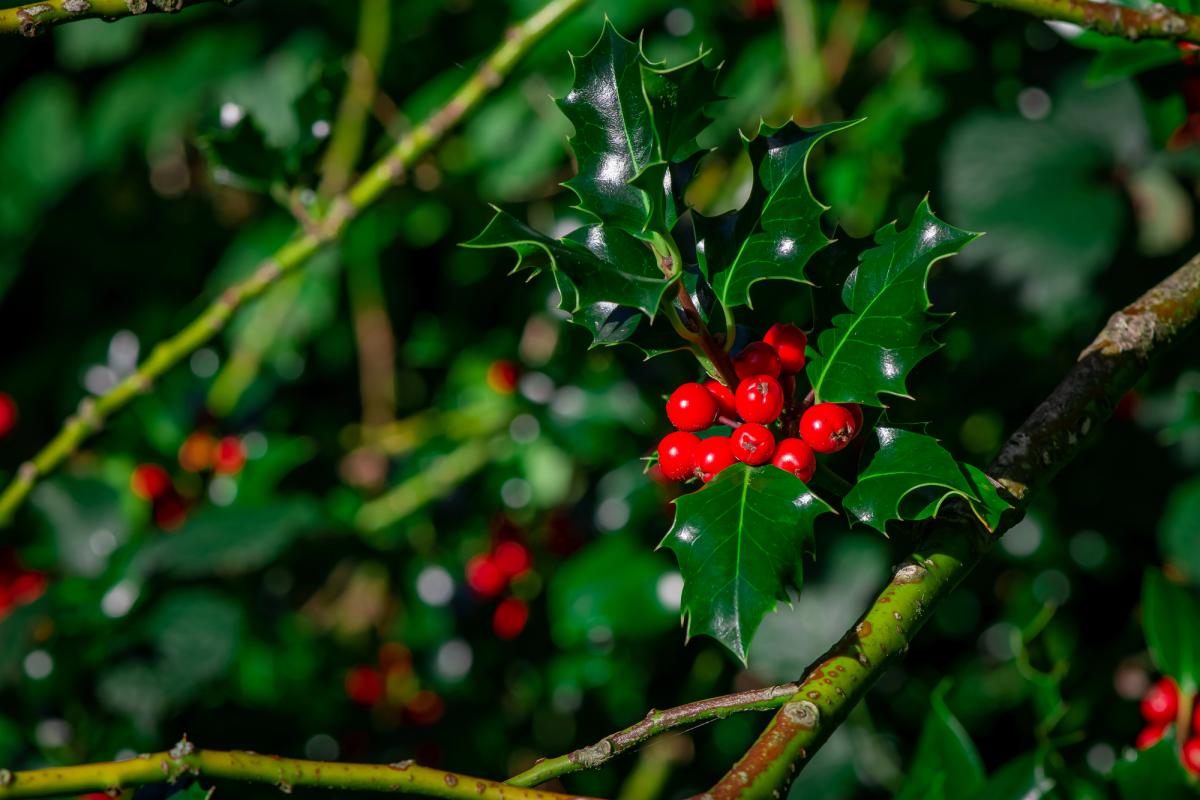
Evergreen shrubs require regular watering throughout November and the winter months to survive cold weather, lifestyle website Southern Living has advised.
While these plants provide vibrant colour and background greenery in late autumn and winter without needing heavy maintenance, they cannot go without water. Unlike deciduous plants that shed their leaves and enter full dormancy, evergreens continue to lose moisture and draw water from the soil all year.
Southern Living, a longtime American lifestyle and gardening publication, highlighted that soil hydration remains vital because green leaves lose water even in cold air.
Soil moisture and watering guidelines
Shrubs planted or moved during the autumn face the highest risk of drought damage. Root systems on bushes that have been in the ground for less than two years are still developing, so they require constantly moist soil from rainfall or regular watering to establish properly.
Established evergreen bushes handle dry conditions better, yet they still need a deep soaking at least once a month during prolonged dry spells in autumn and winter. In regions where natural rain and snow do not fall, gardeners must step in if their area has gone 10 to 14 days without heavy rain.
To keep shrubs healthy, growers should verify that plants receive at least 2.5 centimetres of water each week. Gardeners can check this by digging into the soil to a depth of 5 to 7 centimetres beneath the shrub. If the ground is dry at that depth, the bush needs water.
Watering must penetrate deeply so the ground stays moist to a depth of at least 15 centimetres. Light surface sprinkling causes more harm than good, as shallow moisture encourages root systems to form near the surface where they are easily damaged.
Mulching tips and boxwood replacements
November garden tasks also include raking up fallen leaves and spreading mulch made of compost or other plant matter. A fresh layer of mulch helps insulate the soil against sharp temperature swings while locking in moisture around the root zone.
Gardeners dealing with damaged boxwood shrubs can also consider hardier alternatives. Boxwood has long served as a traditional plant for formal borders, but the spread of a boxwood pest frequently leaves the shrubs unsightly.
Experts noted that various species of holly offer an effective replacement. Holly plants require little maintenance, resist diseases, and stay just as green and decorative throughout the entire year as traditional boxwood.


