

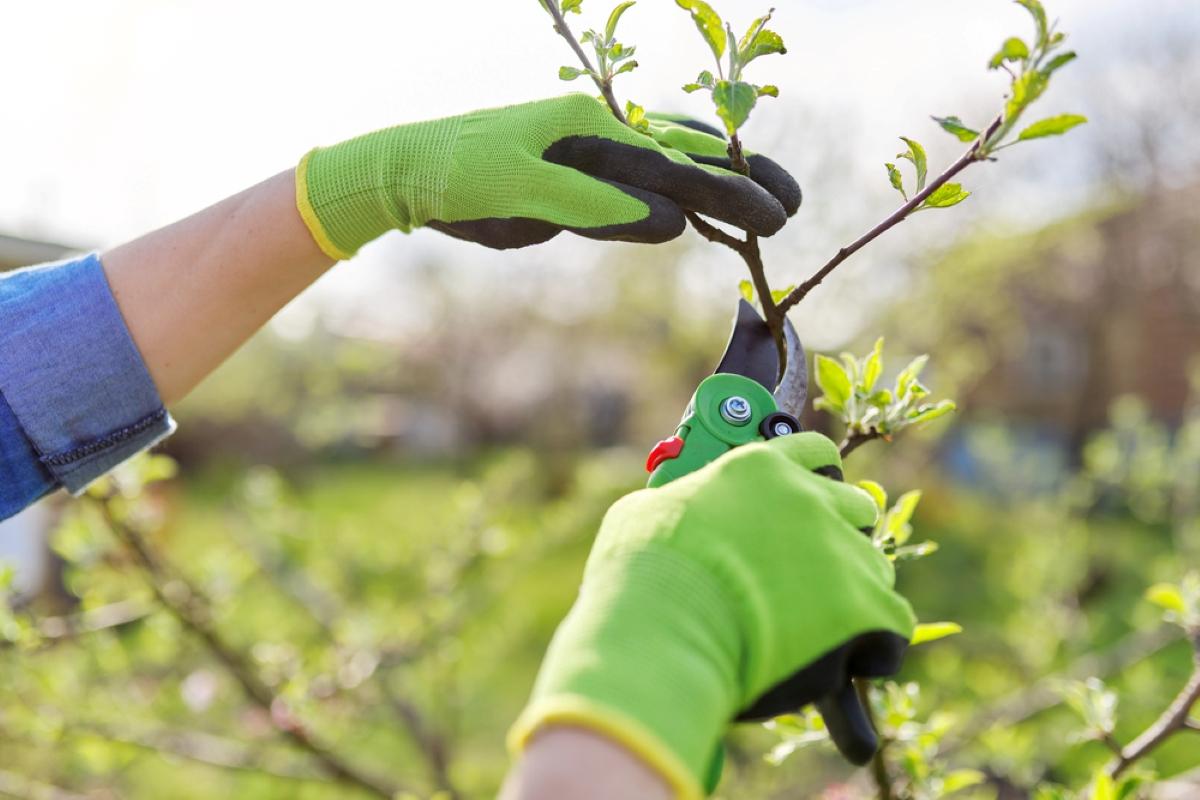
A certified arborist has warned gardeners against pruning five common tree types this autumn, saying the wrong timing can harm their health and leave them open to disease.
Alex Beasley, a certified master arborist, told Southern Living that it is easy to get carried away while pruning and remove more branches than necessary. He said not every flaw in a tree can be fixed in a single season, so gardeners should take their time.
Beasley recommends removing no more than 20 to 30 percent of a tree's crown in a single year. He advised particular caution with sensitive species such as dogwood and sourwood, saying only dead or damaged branches should be removed from them during their first two to three years.
Why autumn pruning can be risky
Beasley said weather also plays a role in the autumn. If warm conditions linger, trees may keep producing new shoots or even continue to bloom, and this new growth is more sensitive to pruning than mature branches.
Pests and pathogens can also remain active until the first frost, making some trees more vulnerable to infection if cut back too early in the season.
Trees that bleed heavy sap
Beasley said beech, maple, including sugar, red and Japanese varieties, and birch should not be pruned in autumn. He recommends pruning these trees in midsummer instead to avoid excessive, though usually harmless, sap flow. Pruning wounds made in damp autumn weather can heal more slowly and become more susceptible to disease. Beasley said the same advice applies to walnut and willow trees.
Stone fruit trees
Stone fruit trees, including apricots, plums, peaches, nectarines and cherries, need regular pruning but fare better when it is done in warmer weather. Beasley said summer pruning can help keep trees at a manageable height for harvesting and can boost fruit production.
Dogwood
Like beech, maple and birch, dogwood is a heavy sap producer. Beasley said it is also prone to fungal spores and bacteria, particularly following autumn pruning. Dogwoods form the flower buds that open the following spring during the summer, so autumn pruning risks accidentally removing them.
Magnolias
Beasley said autumn pruning can leave magnolias more vulnerable to disease because their wood heals slowly, and large unhealed wounds are susceptible to pests and disease. He recommends pruning magnolias in late spring, once flowering has finished. Deciduous magnolias, particularly Asian varieties, bloom among the earliest in spring, so they can be pruned slightly earlier in the season. Spring pruning gives fresh cuts enough time to heal before hot, humid weather arrives.
Apple trees
Autumn apple picking is a tradition for many gardeners, but Beasley said it is not the time to prune the trees. Like several others on his list, apple trees become more vulnerable to fungi and bacteria after autumn pruning. He said the best time to prune apple trees is late winter, when the tree is dormant and the risk of frost is low, which helps the tree avoid additional stress.


