International copyright experts warned on Thursday that the rapid growth of artificial intelligence is creating new challenges for protecting creators, and called for mechanisms to guarantee that artists and authors are compensated when their work is used.
The warning came during the closing day of an advanced course on managing the transformation of copyright in Latin America, organized by the World Intellectual Property Organization (WIPO) and the Dominican Republic's National Copyright Office (ONDA).
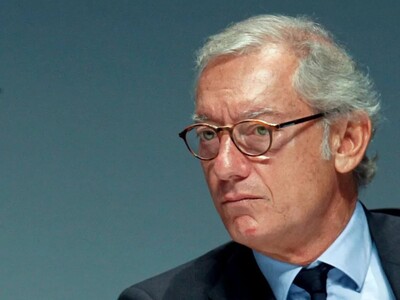
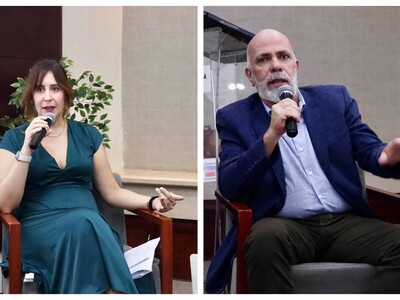
The event featured a panel on the role of collective management societies in the artificial intelligence economy, with Santiago Schuster Vergara, Marcos Alves de Souza and Carmen Páez Soria as speakers. The session was moderated by Andrés Gonzalo Gutiérrez Ayoroa, acting executive director of Bolivia's National Intellectual Property Service.
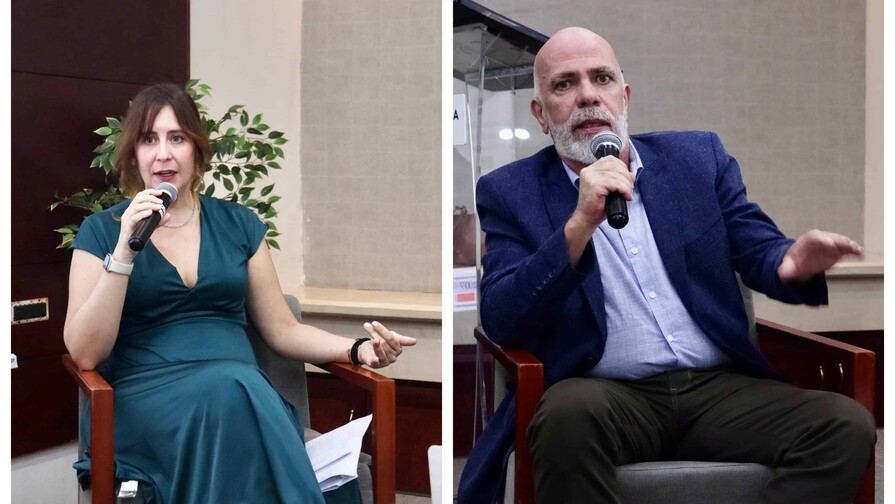
Panelists said collective management societies play a central role in protecting creators, negotiating licenses and securing remuneration for the use of protected content. These organizations are private, nonprofit entities that administer, protect and collect copyright and related rights on behalf of rights holders.
Tech companies should pay, Brazilian official says
Marcos Alves de Souza, Brazil's secretary of Copyright and Intellectual Property, argued that artificial intelligence companies must take on economic responsibility for using protected works to train their models.
He said artificial intelligence does not work without a library of content, noting that technology companies themselves acknowledge the value of the creative works used to build their systems. He said it was hard to justify an industry making intensive use of protected content without compensating those who produce it.
Alves de Souza also called for mechanisms to identify which works are used by technology platforms. He said companies should be required to disclose what content they use and what databases feed their systems, adding that this responsibility cannot fall solely on collective management societies.
He further proposed reviewing the mechanisms for setting fees for the use of protected works through artificial intelligence, arguing that tech platforms should be treated similarly to other digital services that pay to use copyrighted content.
He also backed labeling or watermarking AI-generated material so it can be distinguished from human-made work. He warned that without regulation, the risk is losing everything.
The challenges facing copyright law
Rafael Ferraz, of the World Intellectual Property Organization, agreed on the need for mechanisms to identify content generated or transformed by artificial intelligence. He explained that the growth of synthetic products makes it necessary to determine the degree of human involvement in creative works and the conditions for their legal protection.
Ferraz also stressed the importance of collective management societies in negotiating licenses and setting fees for new technological uses. However, he cautioned that rights holders should act carefully when negotiating agreements with artificial intelligence companies.
He said creators should not give up potential future rights in exchange for immediate financial benefits, and pointed to a difference between authorizing the use of works to train AI models and allowing the commercial exploitation of content that those systems later produce.
Spain defends collective management
Carmen Páez Soria, Spain's secretary general of Culture, said artificial intelligence represents one of the main challenges for organizations responsible for administering copyright.
She said creators must retain control over their works, both during the training of technological models and in the exploitation of synthetic content derived from them. She noted that European regulation includes mechanisms allowing rights holders to opt out of certain text and data mining activities.
Even so, she acknowledged that these procedures can be complex for individual authors, who often lack the resources to negotiate directly with major platforms. She defended the importance of collective management societies as tools for representation and negotiation.
Páez also said artificial intelligence offers opportunities to improve how these organizations function, including process automation, greater transparency and more efficient mechanisms for distributing copyright income. Still, she insisted these advantages do not eliminate the risks tied to the mass use of protected works.
A new landscape for creators
During the discussion, the specialists agreed that collective management organizations will bear a growing responsibility as artificial intelligence develops. Their ability to represent authors, negotiate licenses, establish remuneration mechanisms and identify protected content will be decisive in facing technological change.
They also stressed the need to strengthen regulatory frameworks and promote agreements that allow the benefits of innovation to be captured without harming the economic and moral rights of creators.
The gathering underscored that the future of copyright will depend largely on the ability of governments, technology companies and collective management organizations to set clear rules for the use of works in the digital economy.