

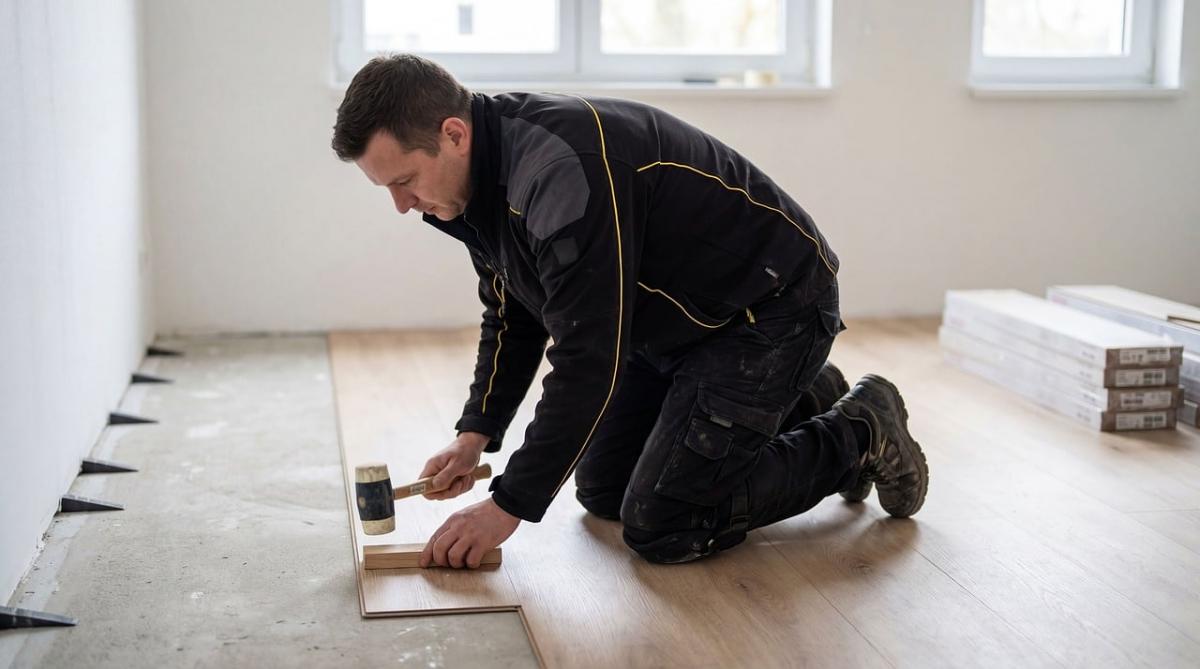
Gaps appearing between parquet or laminate floorboards are a common problem that can affect both newly laid floors and those in use for years, according to Gazeta.pl. In many cases homeowners can fix the issue themselves, but experts say it is important to identify the cause first to choose the right repair method and avoid unnecessary costs.
Wood reacts to changes in temperature and humidity. In winter, dry indoor air causes the material to lose moisture and shrink, which is why gaps can open up between the planks, the outlet reported.
In newly built homes, the cause is often damp walls and ceilings that take a long time to dry out. This makes the flooring expand at first before later deforming and separating.
The condition of the flooring can also be affected by water exposure, frequent mopping with an overly wet mop, sharp temperature swings and the quality of the material itself. Problems can also stem from installation mistakes, including failing to leave the flooring in the room for at least 24 hours to adjust to local conditions before laying it.
How to close gaps in parquet flooring
Small gaps can be disguised using wood filler, repair compounds, tinted silicone, liquid cork or a mixture of wood dust and varnish, according to Gazeta.pl. The right product should be chosen to match the type and colour of the floor.
Before applying any filler, the gaps should be cleared of dust and dirt, and after the repair the manufacturer's guidance on drying time should be followed.
When more serious repairs are needed
If gaps appear over a large area or quickly return after a repair, the cause may lie in an uneven subfloor or installation errors, the outlet said. This can include a lack of expansion gaps near the walls, a poorly prepared base, or a failure to let the material adjust before installation.
In such cases, fixing the problem may require removing the flooring and levelling the subfloor. Only addressing the root cause will prevent the gaps from returning.
How to prevent gaps in parquet flooring
To reduce the risk of gaps forming, experts recommend keeping indoor humidity at around 50 to 60 percent and avoiding leaving water on the floor. A well wrung-out mop should be used for cleaning to prevent the flooring from becoming too wet.
Wooden parquet should also be treated regularly with oils, waxes or protective products that help stop the wood from drying out. During the heating season, a humidifier can help maintain the right humidity level indoors.
Gazeta.pl also advises using care products recommended by the flooring manufacturer, since not all products suit every type of material equally well.


