

Music critic and former Teatro Real trustee Gonzalo Alonso has condemned the widespread expectation of free tickets in the classical music industry.
Alonso stated that the music world suffers from unique absurdities, with casual acquaintances frequently expecting complimentary entry to major performances despite never asking for free goods or services from other professions.
Requests for Free Passes
He recalled a recent situation recounted by a friend involving a restaurant owner in a small town hosting a music festival. The restaurant owner planned to attend a festival show featuring tickets priced at more than 200 euros each without purchasing them, expecting a regular diner connected with the event to supply free passes.
Alonso noted that restaurants do not offer free meals to festival diners, artists, or event managers, nor do they typically invite regular customers to a free drink or coffee. He suggested that, at most, the restaurant owner could expect the festival organizers to leave their doors open so he could listen to the encores.
If a music lover arrived at a restaurant during peak hours without a reservation and demanded a free tasting menu and fine wine because they knew the chef, Alonso said they would be thrown out immediately. He added that the story would circulate around the town for weeks, yet no one feels embarrassed when making identical demands for music.
Demands on Critics and Trustees
Alonso explained that the diner in question was exhausted by constant phone calls from acquaintances asking for tickets to major Spanish classical music institutions, including the Teatro Real, Ibermúsica, and the National Orchestra of Spain.
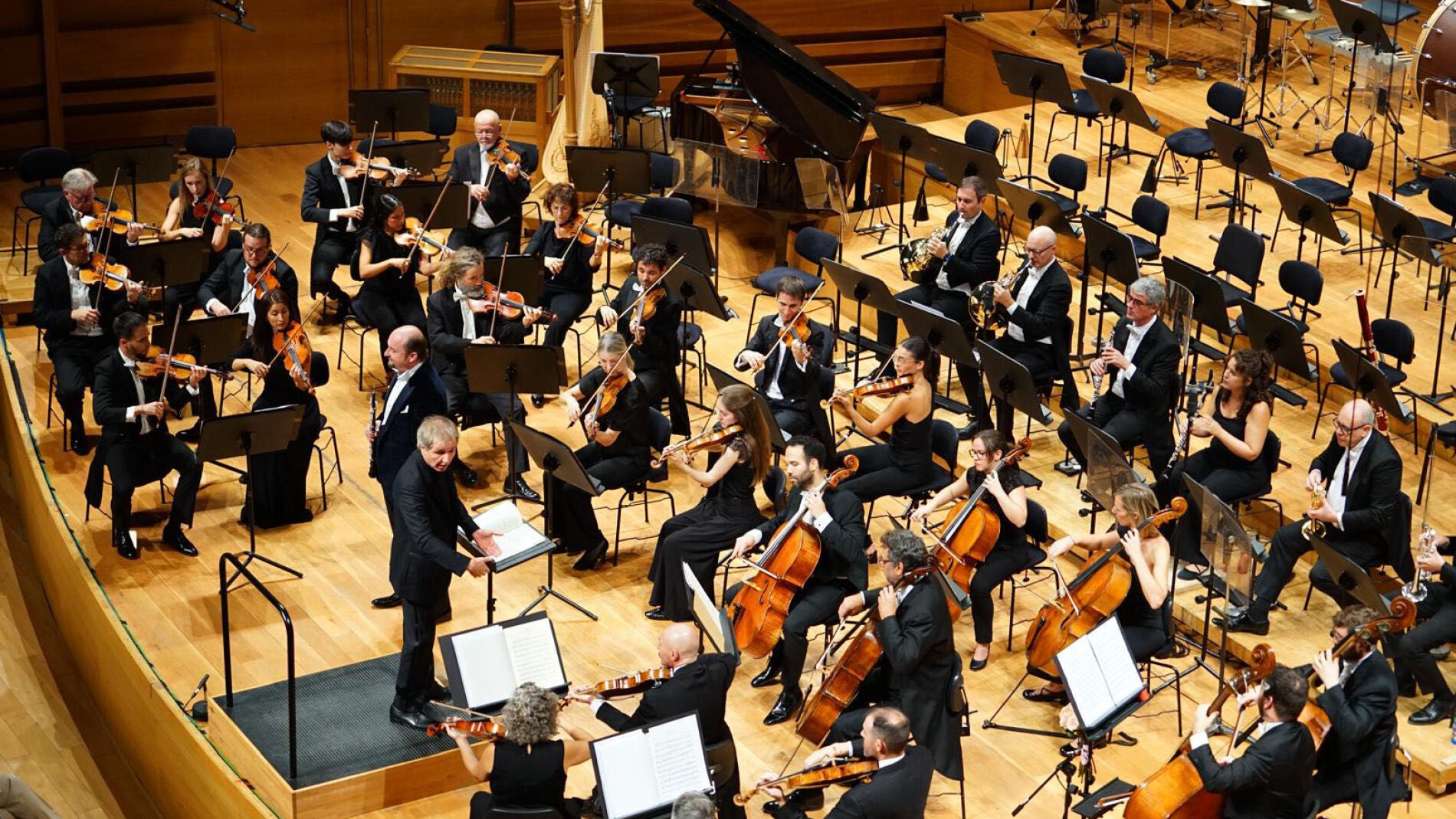
The Teatro Real, located in Madrid, serves as Spain's main opera house, while Ibermúsica is a prominent promoter of classical concerts in the country, and the National Orchestra of Spain is the national symphonic ensemble.
Drawing on his own experience, Alonso said that during his 17 years as a member of the Board of Trustees of the Teatro Real, his phone rang with predictable regularity on the eve of every premiere. Calls came from high school classmates he had not seen since graduation, third cousins, and a neighbor's brother-in-law, all asking for tickets because he was on the inside.
Alonso compared his situation to the opera character Figaro, constantly called upon by everyone at once, though without Figaro's grace and without receiving any payment for the service. He added that music critics are also targeted because people view press invitations, which are essential working tools akin to a surgeon's scalpel, as spare passes to be handed out to friends.
Pricing Double Standards
Alonso questioned how many complimentary passes conductor Gustavo Dudamel would need to satisfy friends and family at his upcoming concert with the New York Philharmonic next week if every acquaintance expected one.
Dudamel is an internationally renowned Venezuelan conductor serving as music director of the New York Philharmonic, one of the oldest symphony orchestras in the United States.
Alonso pointed out that people do not expect free artwork from painters, free books from novelists, or free house designs from architects, making the expectation of free live music an unusual anomaly.
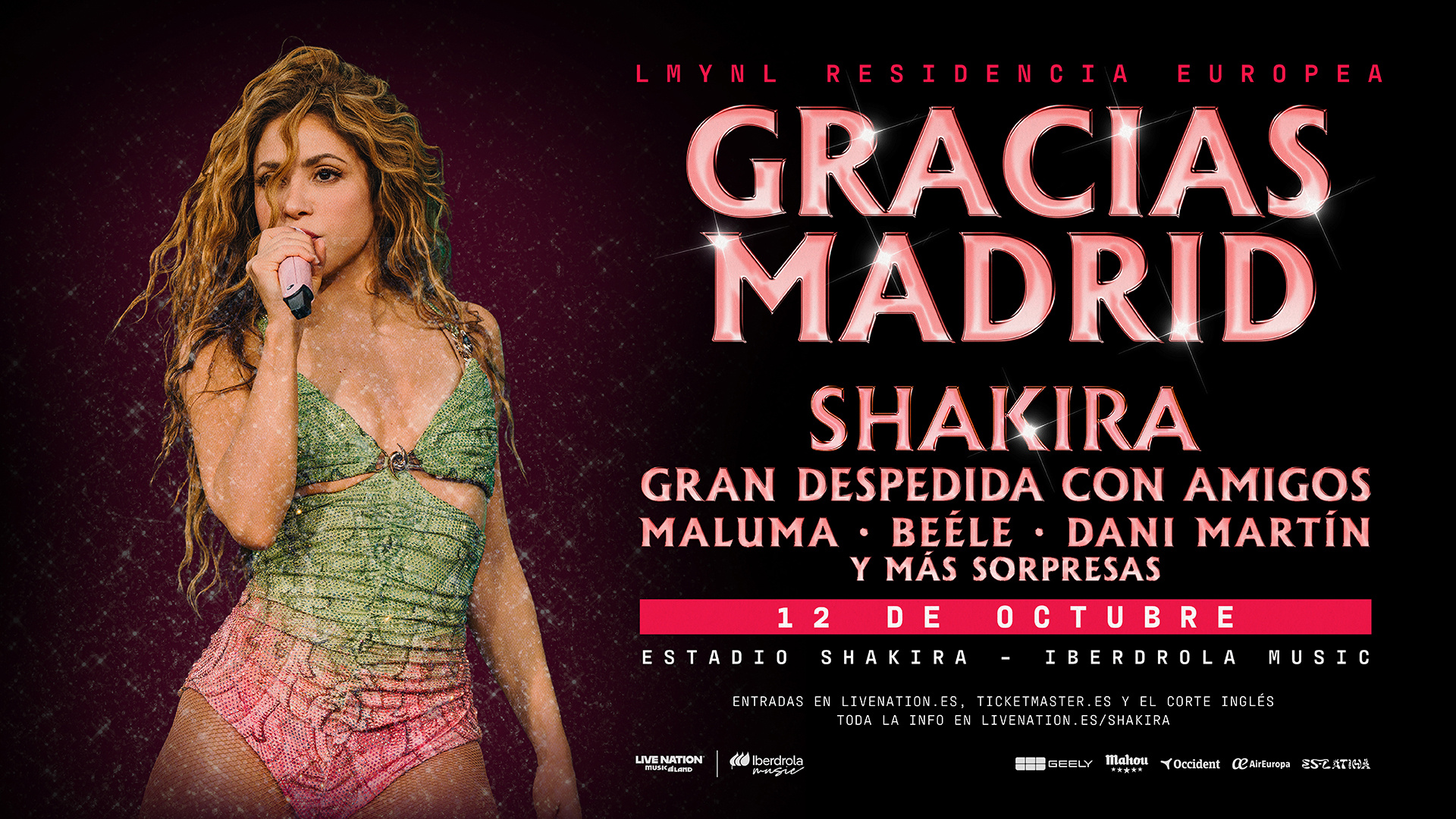
Alonso also highlighted a sharp double standard regarding ticket prices. He noted that listeners balk at paying 300 euros for a season ticket or to see a renowned conductor with a major orchestra, viewing the price as exorbitant, yet willingly pay 500 euros for stadium resale tickets to see popular stars such as Shakira, Madonna, or Bruce Springsteen from a distance.
Historical Status of Musicians
Alonso observed that society has historically viewed musicians as different, noting that past laws grouped musicians alongside puppeteers as people of bad living. He added that even a modest traditional dessert composed of raisins and walnuts left in the pantry is named the musician's dessert due to its association with poverty.
Without unpaid tickets and unappreciated favors, Alonso warned that concert halls risk turning into the metaphorical house of Bernarda, referencing a traditional Spanish saying about a chaotic home where everyone enters and nobody asks who pays the bill.