

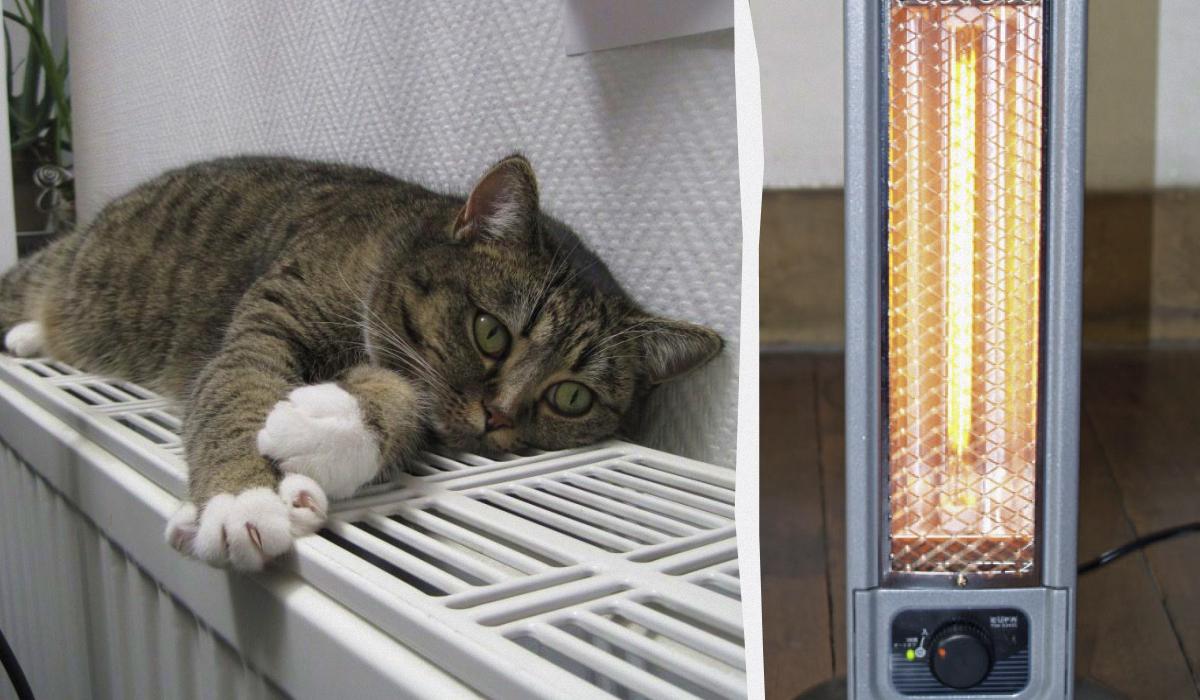
Classic water-based radiators are gradually losing ground in modern apartments and homes with autonomous heating systems, as so-called warm floors and electric infrared heaters take their place, according to Hungarian outlet Blikk.
Traditional radiators work mainly through convection: they heat the air, which rises and then sinks again as it cools. Infrared heaters work differently, warming objects and surfaces directly. Blikk's author compared the effect to the feeling of sunlight on a cool day.
The publication noted that infrared heaters warm objects, walls, furniture and the people in a room directly, rather than heating the air first.
Once surfaces absorb that energy, they begin releasing heat back into the room themselves. Because of this, a sense of warmth can appear faster than with systems that first need to heat the entire volume of air in a space.
Compact and flexible design
Another advantage of infrared systems is their compactness and flexibility, Blikk reported. Some models can be mounted not only on the floor but on walls or even ceilings, which is especially useful in smaller apartments.
These heaters do not restrict where furniture can be placed, and ceiling-mounted units also reduce the risk of a wardrobe or sofa blocking the heat radiation. Manufacturers offer a range of finishes too, from metal, glass and ceramic surfaces to panels designed to look like a mirror or a picture.
Zonal control and simpler upkeep
The author also highlighted the option of zonal control. Using separate thermostats or a smart home system, homeowners can heat only the rooms that are actually in use at a given time.
Infrared heaters are also simpler to maintain, since they have no moving parts, pipes or water. That means none of the usual radiator upkeep, such as bleeding air from the system or checking water pressure. Occasionally wiping dust off the surface is enough.
Not a replacement for every home
Blikk cautioned against treating infrared panels as a universal substitute for all other heating systems. The outlet said they work best in well-insulated homes with low heat loss, or as supplementary heating in autumn and spring, or in rooms that are used only occasionally.
In older, poorly insulated homes with significant heat loss, relying on infrared panels as the sole main heat source could lead to substantially higher electricity costs, according to the publication.


