

Crime prevention authorities warn that storing valuable jewelry in obvious home locations creates an easy target during house burglaries. Many people routinely leave rings on nightstands, chains on dressers, and earrings out on counters with plans to organize them later, leaving items of high financial or sentimental value exposed.
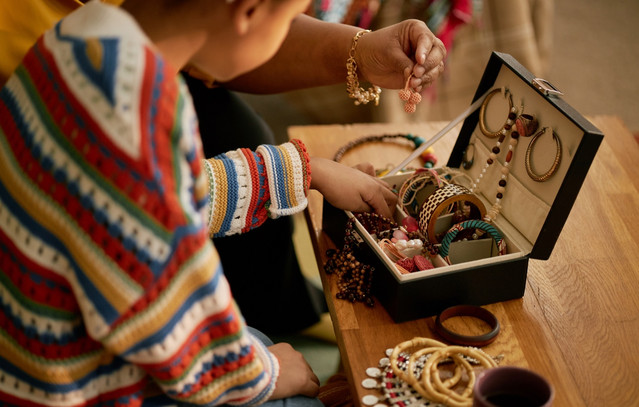
While decorative jewelry boxes offer practical organization for daily items, authorities emphasize they provide no actual security. For high-value pieces, official guidelines recommend using a proper safe securely anchored to the floor or wall to prevent easy removal.
Police instructions highlight that bedrooms are not the best location for a safe. Burglars typically search bedrooms first during a break-in, making alternative placement safer.
Safe Deposit Boxes and Insurance Requirements
For family heirlooms, major diamonds, expensive watches, and rarely worn items of high value, police authorities recommend using a bank safe deposit box. Storing valuable collections off-site removes them entirely from home burglary risks.
Homeowners should also review their home insurance coverage. Insurers may require special declarations or separate policies for expensive jewelry, and some companies set specific conditions regarding safe specifications and storage methods.
Everyday Storage and Travel Protection
For everyday pieces, a compact jewelry case with separate compartments for rings, earrings, chains, and bracelets keeps items organized for daily use and travel. Holding only frequently worn pieces in travel cases prevents exposing rarer items to risk. When traveling, the Jewellery Security Alliance advises against leaving any jewelry in unattended vehicles or unsecured areas.
Daily pieces stored at home belong in a quality lined jewelry box. Chains should be stored separately to prevent knotting, rings in designated slots, and earrings in matched pairs. Jewelry must be kept away from bathrooms and humid areas to protect pieces from damage as well as loss.
Documentation and Inventory Records
Police authorities advise photographing valuable jewelry individually and maintaining detailed records of purchase receipts, professional appraisals, and certificates. These inventory records help law enforcement investigate thefts and potentially recover stolen items. Certificates and ownership documents should always be stored in a separate location from the jewelry itself.
Effective organization balances daily convenience with security by separating items based on value. Frequently worn items can remain easily accessible in organized cases, high-value pieces require heavy protection, and irreplaceable family heirlooms may be safest stored outside the home entirely.


