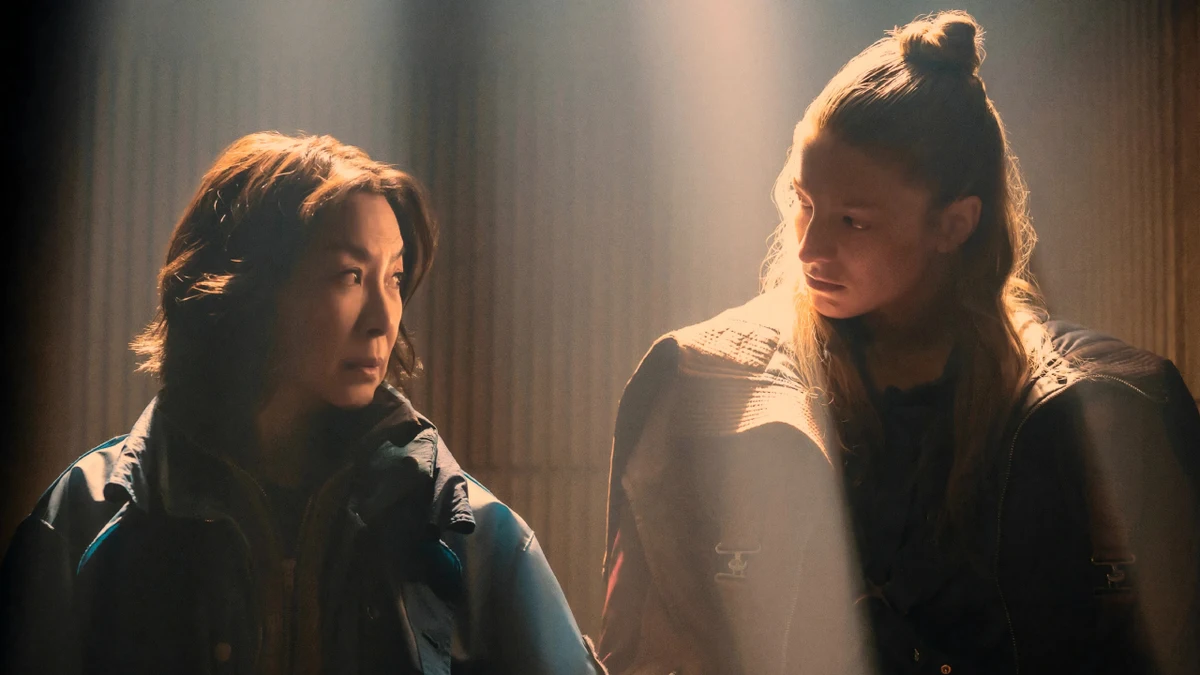
Generations of Russian viewers grew up on the same handful of fairy-tale films, from Morozko and Cinderella to The Adventures of Buratino and The Kingdom of Crooked Mirrors, watched at home, replayed on holidays and later shown to their own children. Decades on, Russian directors are still returning to those stories, remaking old favourites and inventing new magical worlds of their own, according to a retrospective by Rossiyskaya Gazeta tracing the genre from its earliest days to the age of computer animation.
How fairy-tale cinema began on the big screen
Soviet fairy-tale films were never the work of one studio or one director. They were made in Moscow, Leningrad, Minsk and elsewhere, each filmmaker bringing a different idea of what movie magic should look like.
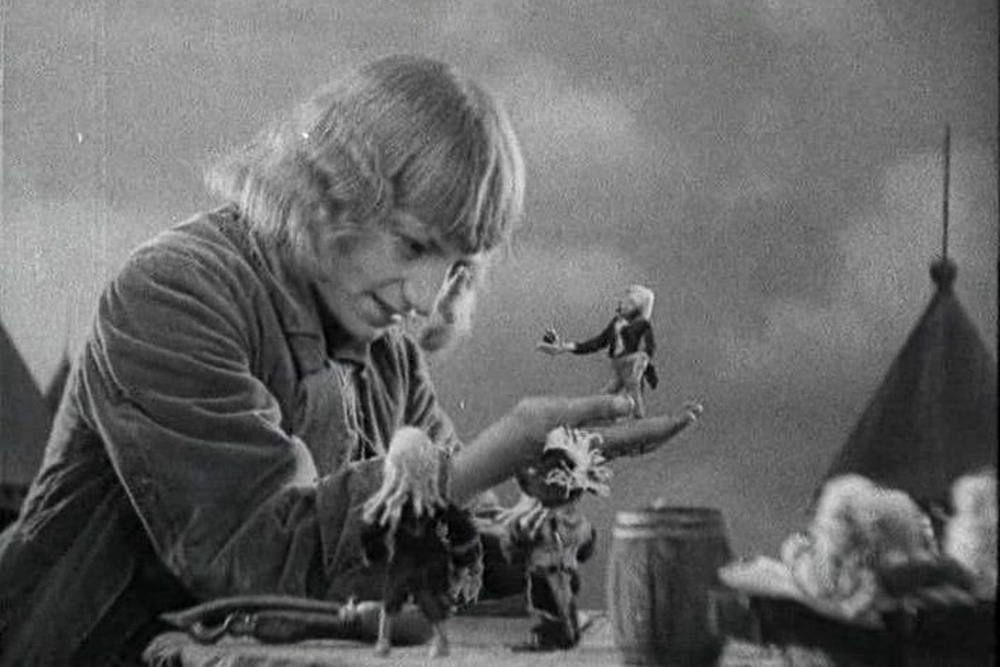
Alexander Ptushko was among the first to seriously tackle how to put the impossible on screen. In 1935 he directed The New Gulliver, placing a live actor among puppets, using frame-by-frame stop-motion animation that moved each puppet slightly between shots. The production used around 1,500 puppets.
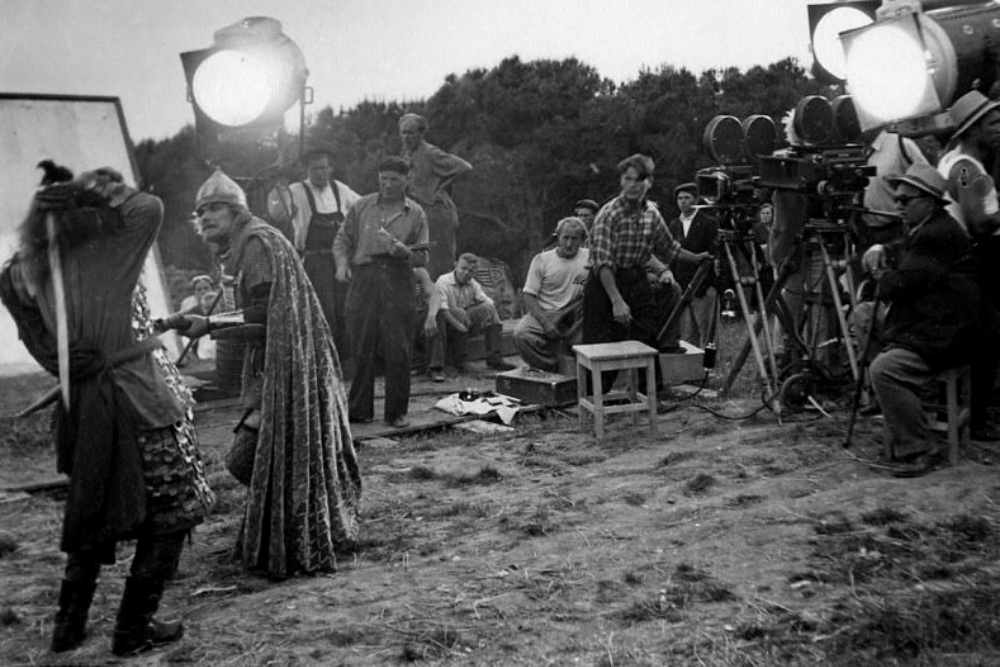
Ptushko went on to make The Golden Key, The Stone Flower, Sadko, Ilya Muromets, Scarlet Sails, The Tale of Tsar Saltan and Ruslan and Lyudmila at Mosfilm, combining live action with puppet animation, models and combined shooting to build underwater kingdoms, palaces and warriors that did not exist in reality.
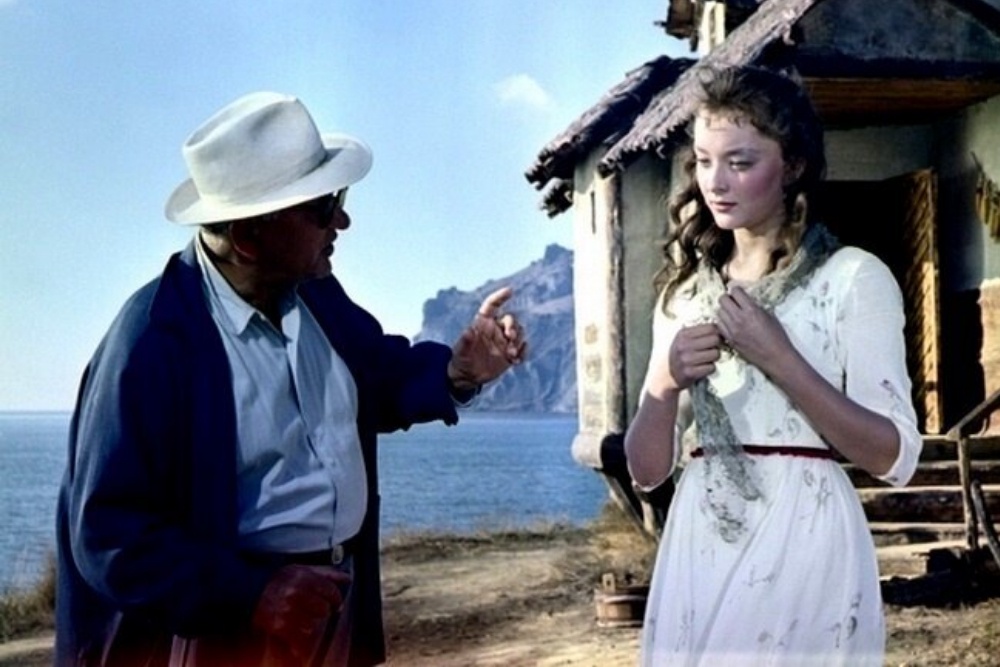
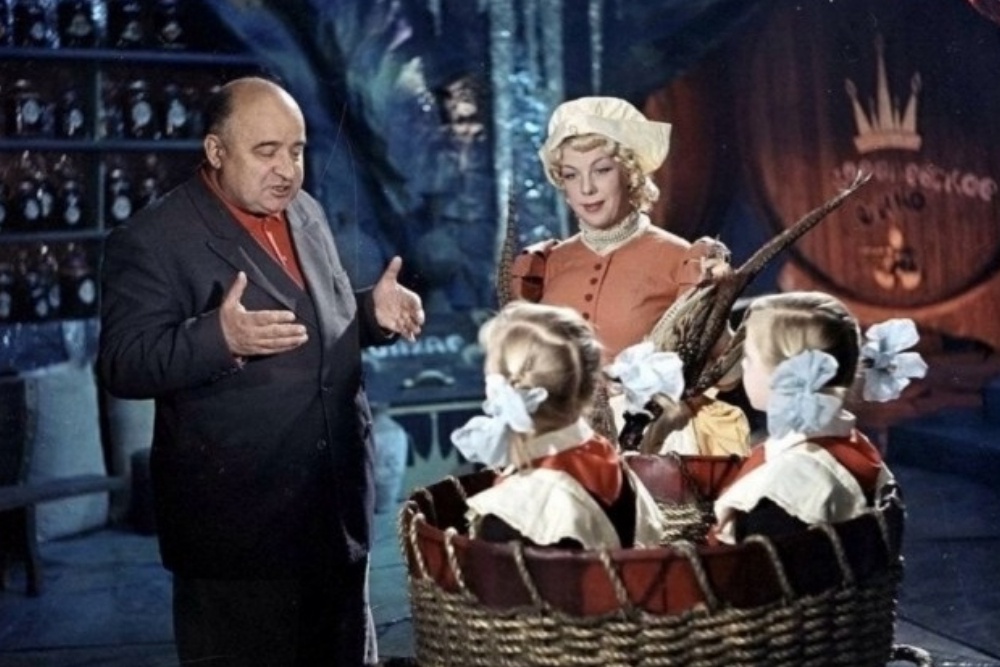
At the same time, Alexander Rou was building his own fairy-tale universe rooted in Russian folklore, starting with By the Pike's Command, Vasilisa the Beautiful and Kashchei the Immortal, and later Morozko, The Kingdom of Crooked Mirrors and Varvara the Beauty with the Long Braid.
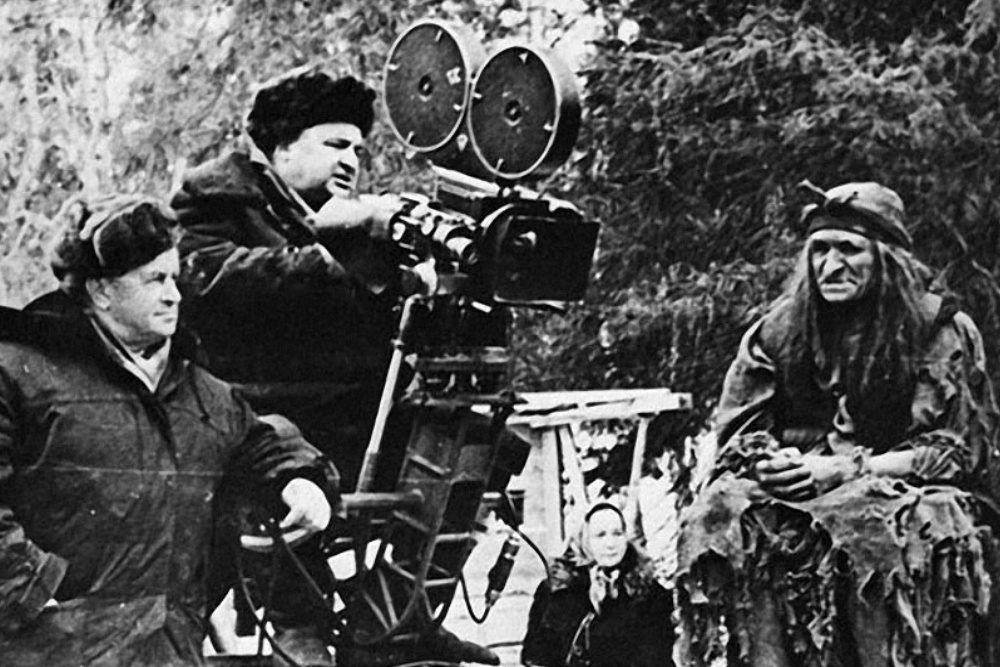
Rou's films carried the flavour of old theatre and fairground performance, with larger-than-life characters, deliberately fantastical costumes and genuinely frightening villains. Actor Georgy Milyar's Baba Yaga needed no computer graphics to be memorable, relying instead on makeup, distinctive movement and voice.
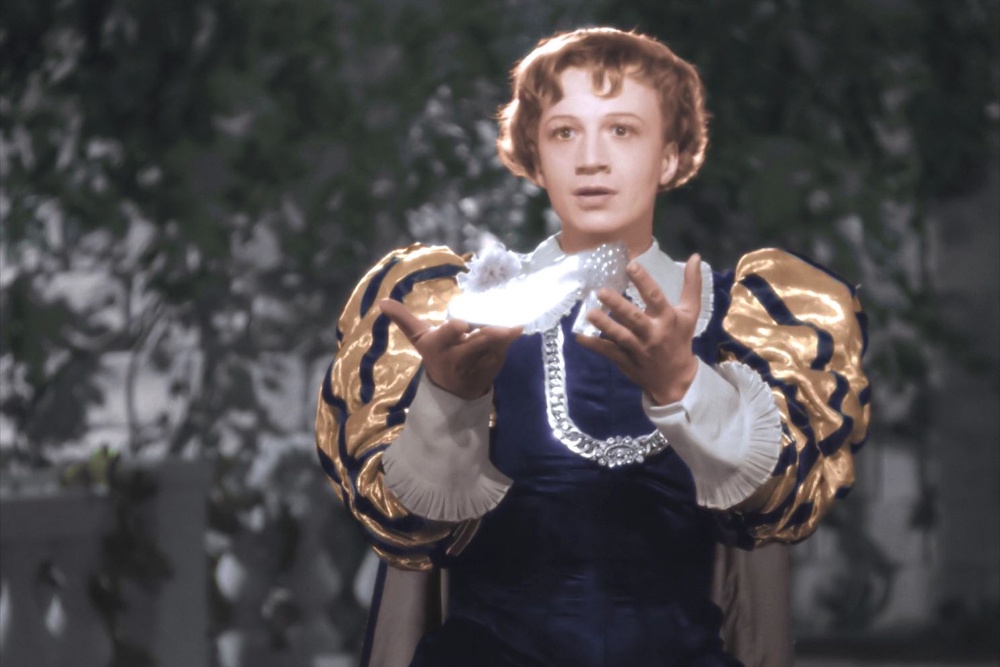
A very different mood came with Cinderella, made at Lenfilm in 1947 by Nadezhda Kosheverova and Mikhail Shapiro, starring Yanina Zheimo alongside Erast Garin, Faina Ranevskaya and Vasily Merkuryev. The film traded dark forests for a castle, lavish balls and a fairy godmother. Zheimo had unusually small feet, so her glass slipper was made specially for her from clear acrylic. She could not actually walk or dance in it, as it was made only for close-up shots, though on screen it looked like genuine crystal.
In the 1970s, Leonid Nechaev directed two musical fairy tales at Belarusfilm remembered largely for their songs: The Adventures of Buratino (1975) and About Little Red Riding Hood (1977). Composer Alexei Rybnikov wrote the music for both; lyrics for Buratino came from Bulat Okudzhava and Yuri Entin, and for Red Riding Hood from Yuliy Kim.
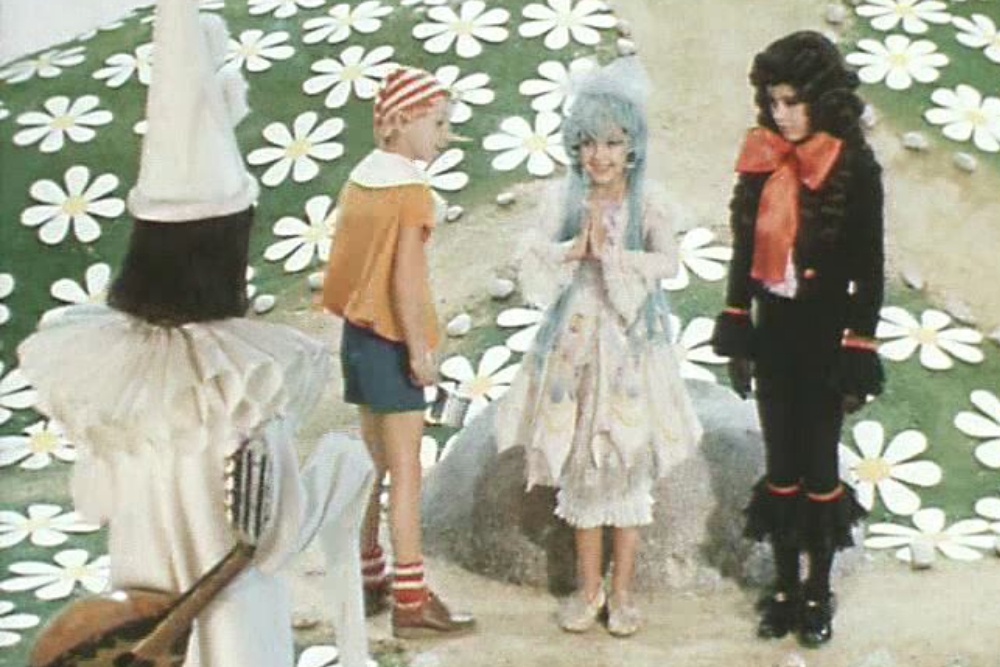
In Buratino, most child characters were revoiced by adult actresses, except for Tatiana Protsenko, who played Malvina and kept her own voice. A production assistant discovered the six-year-old entertaining fellow passengers with poems and songs on a train. Around 4,000 boys auditioned for the role of Buratino itself. Dmitry Iosifov originally tried out for Harlequin, and Nechaev did not initially see him as the lead, until the boy was given Buratino's makeup and asked to stand in for another actor at rehearsal.
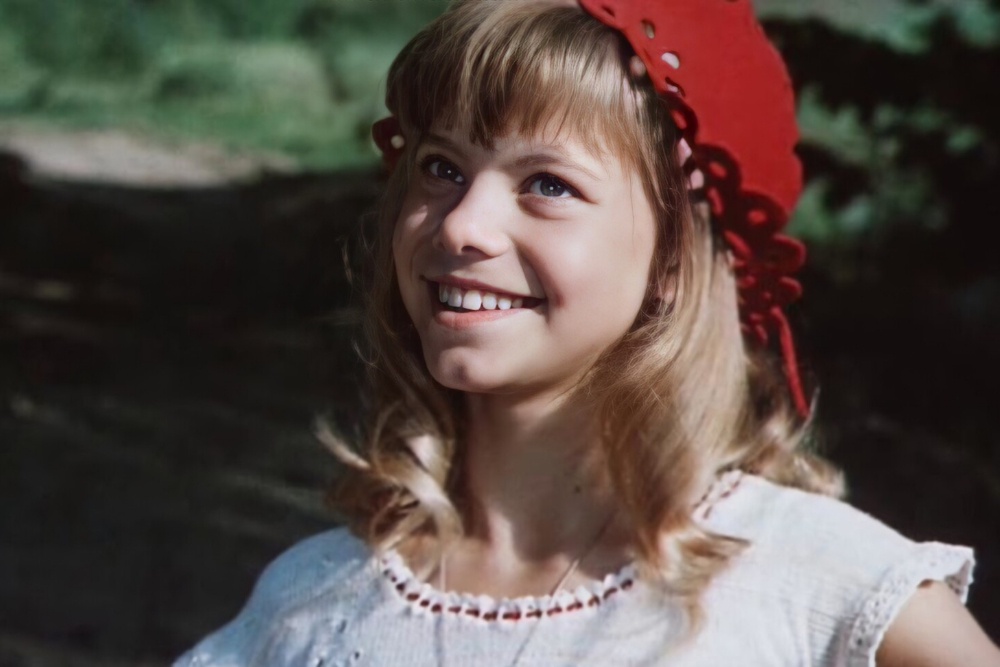
The follow-up film gave the musical story an unexpected twist. Yana Poplavskaya played Little Red Riding Hood on screen, but the character's best-known song was sung by eight-year-old Olga Rozhdestvenskaya. Her mother, singer Zhanna Rozhdestvenskaya, had come to the studio to record the She-Wolf's vocal part and brought her daughter along. Rybnikov heard the girl's voice and gave her the song about crocodiles and hippopotamuses, leaving Poplavskaya to sing only a short song at the well.
How filmmakers made the magic without computers
Before computer graphics, a giant palace had to be built or modelled in miniature, and any fantastical creature had to be designed, built and made to move and interact with actors in person. Much of this work happened in film pavilions converted into forests, castles, caves and royal chambers, where set builders used forced perspective and camera placement to make small constructions look enormous.
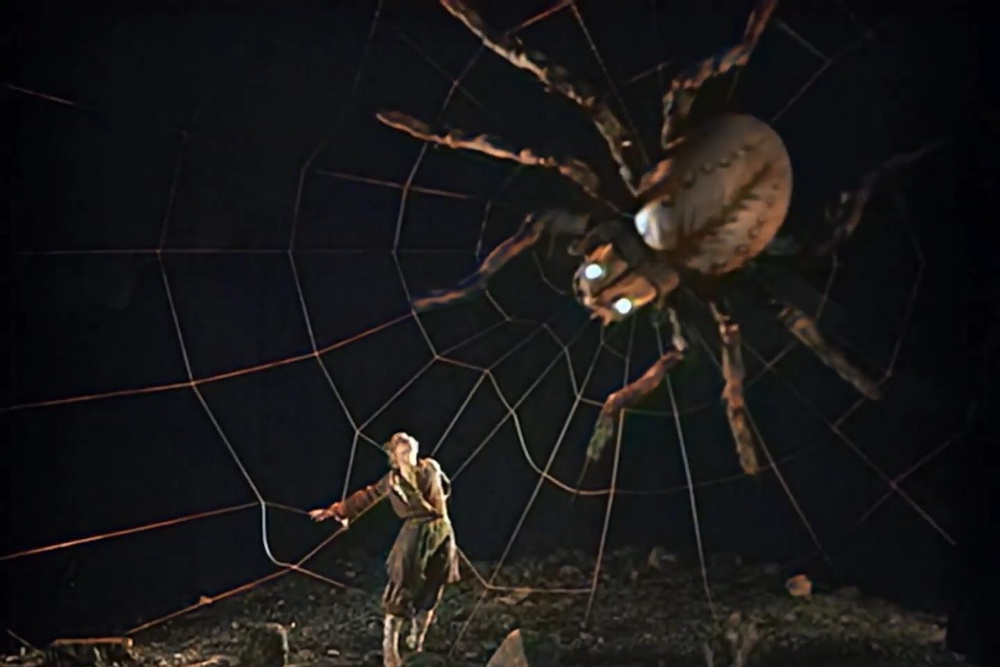
Combined shooting, which merges separately filmed images into one frame, let an actor filmed in a pavilion appear set against a pre-prepared background, along with techniques such as double exposure and optical overlays. Every element required precise calculation, since a single error could break the illusion.
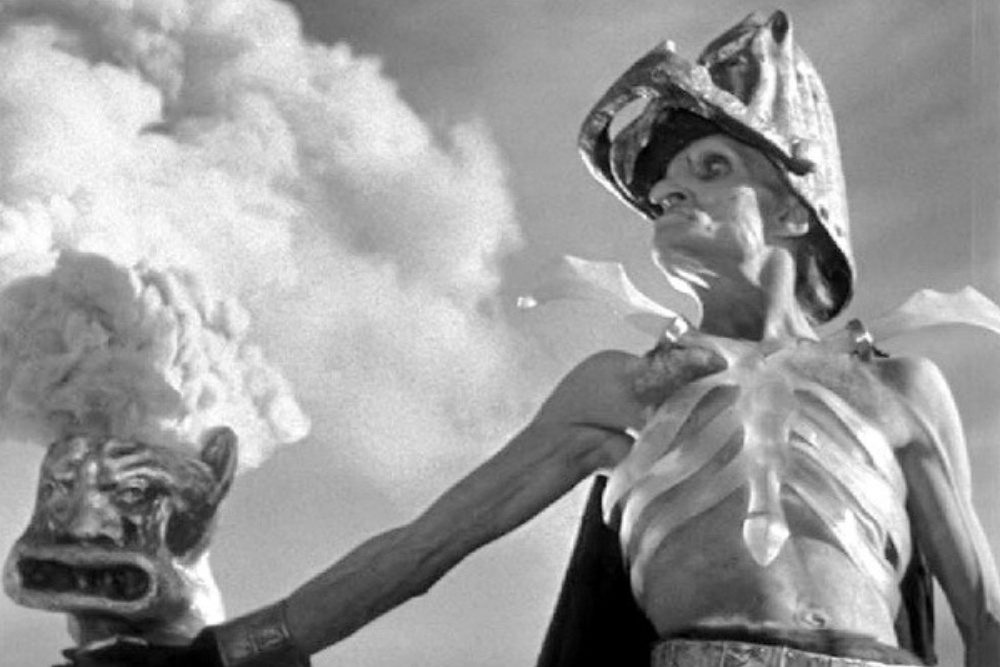
Makeup artists spent hours transforming actors into Kashchei, Baba Yaga or other fairy-tale figures using prosthetics, wigs, false beards and masks, with costumes designed to make each character instantly recognisable. The retrospective notes that a slightly uneven set, an unusual costume or an actor's particular manner can create a sense of fairy tale that computer graphics alone cannot reproduce.
Why fairy tales faded, then returned
In the late Soviet period and through the 1990s, Russian cinema went through financial upheaval as the old production system broke down, making the large budgets a full-scale fairy tale required, for sets, costumes and specialists, much harder to sustain. Foreign films and new characters also reached Russian audiences, and homegrown fairy-tale heroes were no longer the only gateway into fantastical worlds.
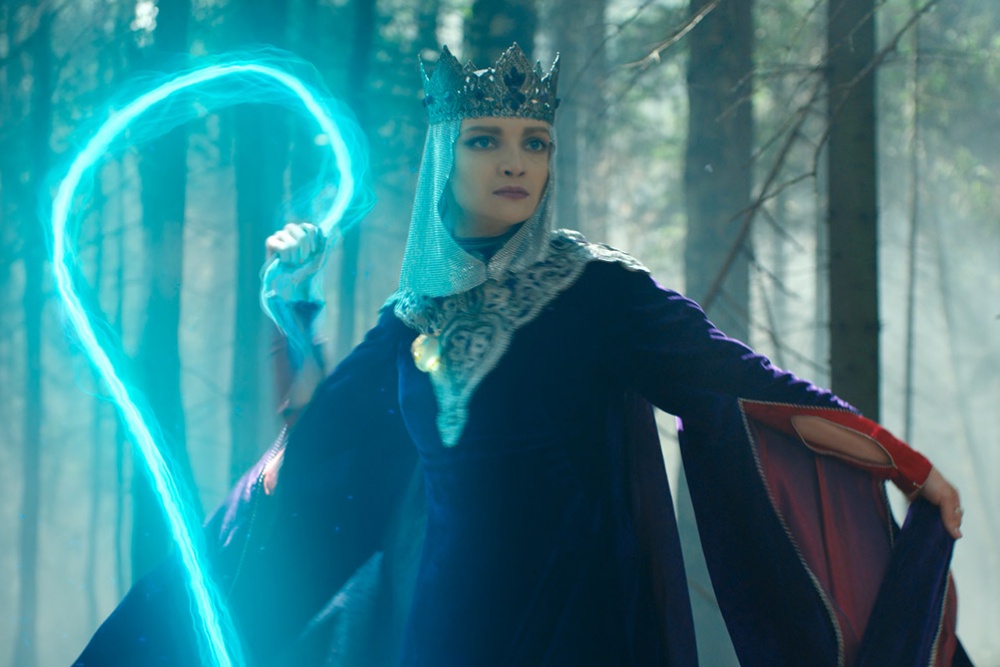
Interest in the genre picked up again noticeably in the 2010s. One film marking that shift was Dmitry Dyachenko's The Last Knight, released in 2017, built around the idea of an ordinary modern person dropped into the world of Russian fairy-tale heroes.
Stories familiar from books, cartoons and Soviet cinema began returning to screens, including Cheburashka, By the Pike's Command, The Bremen Musicians, The Flying Ship, The Tinderbox and The Wizard of the Emerald City.
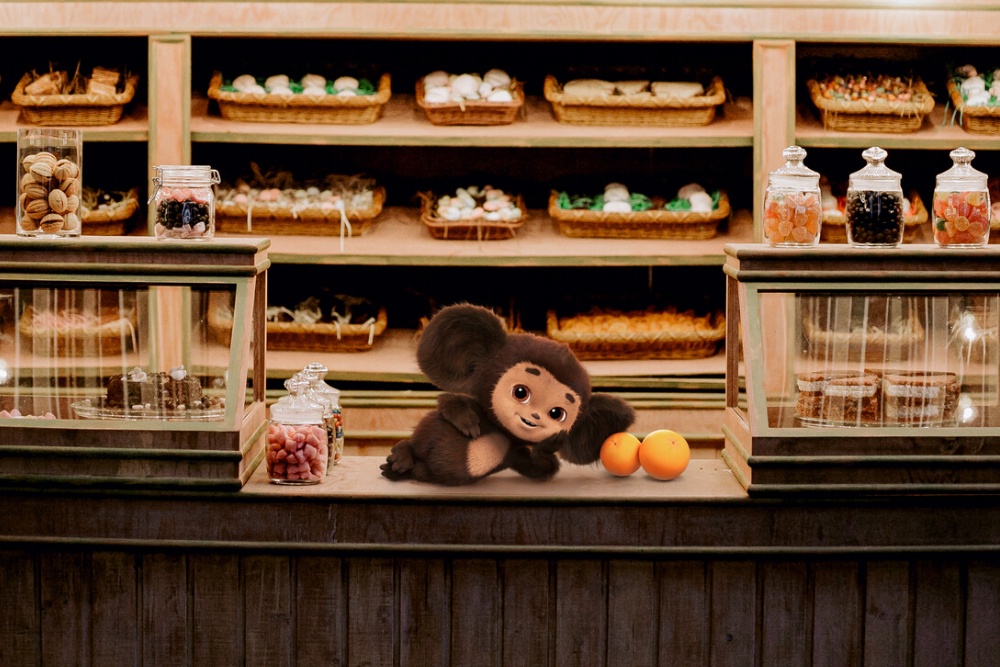
Cheburashka, a character many adults remember from Soviet cartoons, appeared in Dyachenko's live-action film as a digital character interacting with real actors. The filmmakers needed him to be not just appealing but emotionally convincing, so audiences would believe in his friendship with Gena and root for him as a living character, not simply a familiar outline.
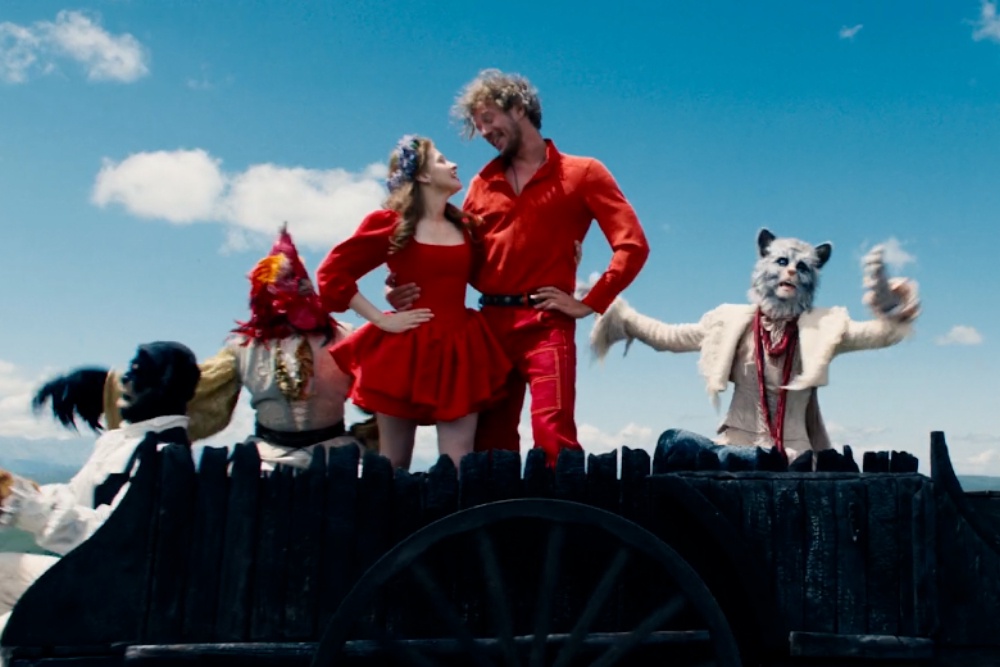
The Bremen Musicians and The Flying Ship instead draw on cartoons many viewers know almost by heart, meaning their creators must reckon with audiences' attachment to the originals, some seeking a reunion with beloved characters, others meeting them for the first time. These newer films don't always stick closely to the familiar plots, often adding storylines or reshaping characters, which can prompt debate but also gives each new version its own reason to exist.
What CGI changed and what it did not
A director today can put a dragon, a fantastical city or a whole magical kingdom on screen largely through computer-generated imagery, or CGI, created after filming rather than built in reality. But a computer does not make the film alone: artists design a character's look, specialists build a digital model, animators work out its movements, and all of it is merged with footage of actors and sets so that something like an embrace or eye contact looks natural.
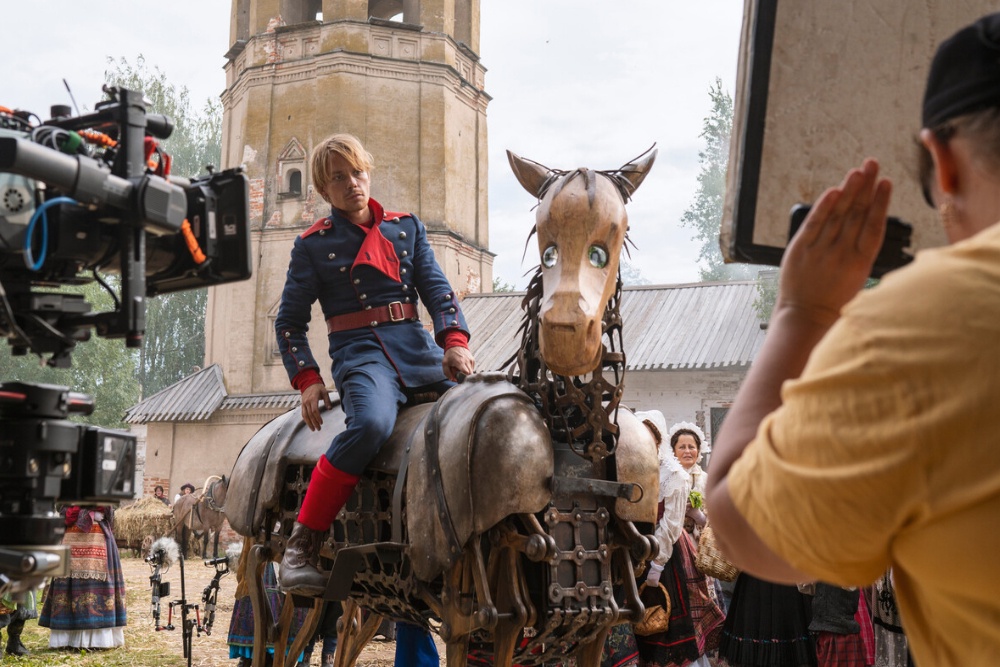
Modern productions still rely heavily on real sets, since physical props such as a real door or table help actors engage with the space around them, meaning costume designers, makeup artists, set builders, stunt specialists and CGI teams often work on set together. The retrospective draws a direct line to Soviet-era technique: filmmakers once worked out how to combine a live actor with a puppet or model, and now do the same with a digital character, the tools changed but the underlying task unchanged.
A fairy tale the whole family watches
Fairy-tale films remain among the few kinds of movies regularly watched by an entire family together, with children following the adventures while parents recognise familiar motifs and sometimes their own memories of first seeing the story. Many parents show their children the same films they watched themselves, even as new generations experience them differently, without necessarily noticing decades-old sets or now-simple effects, caring instead about the hero, the villain and the happy ending.
For adults, rewatching often means revisiting not just the film but their own past, the people they once sat beside, the rooms long gone, the holidays that felt endless. The retrospective concludes that no amount of dragon realism or castle scale can replace a good story, and that the genre's magic ultimately begins the moment a viewer stops thinking about how a scene was made and simply believes in it.
Test yourself
How many puppets were reportedly used in Alexander Ptushko's 1935 film The New Gulliver?
Why was Yanina Zheimo's glass slipper in Cinderella made of clear acrylic?
Who ended up singing the best-known song in About Little Red Riding Hood instead of lead actress Yana Poplavskaya?