

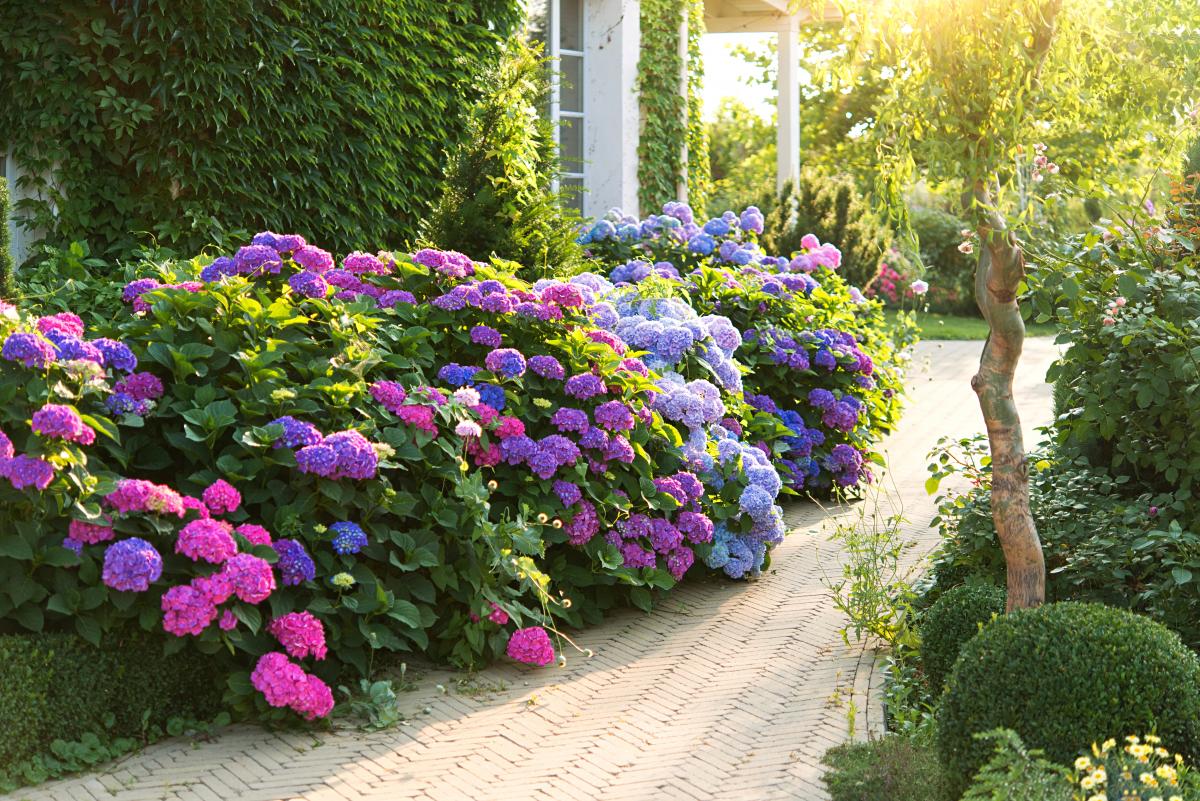
Hydrangea bushes exhausted by late summer heat and drought can still recover to bloom in autumn if growers follow specific maintenance steps, according to advice published by lifestyle publication Homes & Gardens.
Landscape designer Caroline Erwin said the primary rule for August care is implementing a routine of deep, consistent watering performed early in the morning.
Erwin explained that deep watering should continue until the first autumn frosts arrive so root systems do not suffer from late summer heat. Morning irrigation ensures plants have sufficient moisture to endure hot temperatures throughout the day.
Erwin warned that daytime watering is hazardous because moisture evaporates too quickly and water drops left on leaves can trigger fungal infections, particularly powdery mildew. Powdery mildew is a common fungal condition that coats plant foliage in white spores.
Shade protection and mulching techniques
Protecting plants from intense sunlight is also critical, particularly for bigleaf varieties. Gardener Lindsey Chastain noted that afternoon shade provides significant relief for hydrangeas.
Chastain added that if a shrub remains exposed to direct sunlight all day, gardeners should consider transplanting it to a location with soft morning sun and sheltered shade during peak heat hours.
Mulching provides another reliable method to retain soil moisture. Lorraine Ballato, an expert at the New York Botanical Garden, recommended applying a layer of organic mulch at least 5 centimetres thick over the root zone.
The New York Botanical Garden, established in 1891, is a major botanical research institution and public garden located in the United States.
Ballato warned against overloading roots with excessive mulch, as surplus soil moisture can cause root rot and fungal disease. She advised leaving a clearance gap of 7 to 15 centimetres, or 3 to 6 inches, between organic material and stems to keep the plant base from rotting.
Pruning restrictions and feeding risks
Horticultural experts agreed unanimously that hydrangeas must not be pruned during August. Ballato explained that this restriction applies to all varieties blooming on old wood from previous seasons, including bigleaf, mountain, oakleaf, and climbing hydrangeas.
Ballato warned that late pruning risks losing next year's flowers and forces the plant to waste energy on new growth late in the season. Conversely, panicle and tree hydrangeas, which bloom on current season growth, can be pruned later when dormant.
Erwin emphasised that gardeners must also completely stop applying fertilisers in August. Additional nutrients trigger fresh green growth that cannot mature or turn woody before winter frosts arrive.
Unripened shoots increase the risk of freezing damage to flower buds, potentially ruining the following season's blooms. Experts advised growers to focus instead on winter preparation by selecting protective materials and planning shelter for the shrubs.
Dahlia care and temperature stress
Homes & Gardens previously reported advice from gardeners on why dahlias cease blooming and how to restore their flowers before autumn.
The main factors halting dahlia flowers include heat stress, delayed removal of dead blooms, and nutrient shortages. Dahlias perform best in temperatures between 16 and 27 degrees Celsius, while extreme heat above that threshold forces plants into temporary dormancy.


