

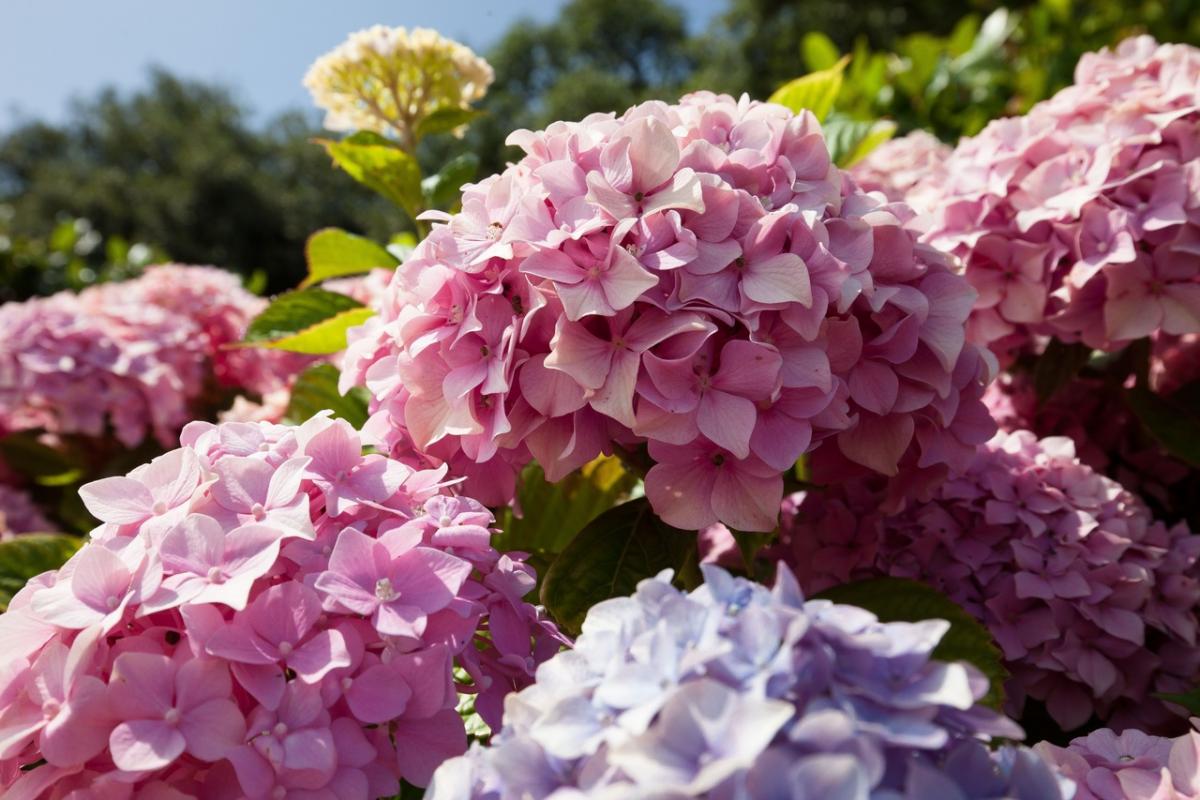
Gardening expert Courtney Mims has outlined five post-blooming care steps to help hydrangeas develop strong roots and flower abundantly next season, Real Simple reported.
Mims explained that young hydrangeas often do not produce impressive floral displays immediately because the plants direct most of their energy toward root development during their initial years. She noted that shrubs typically reach full size and peak bloom only several years after initial planting, advising gardeners not to be discouraged if young bushes initially fall short of expectations.
Hydrangeas are popular flowering deciduous shrubs widely cultivated in home gardens for their large, dramatic bloom clusters that open in summer. Proper post-season maintenance creates favorable conditions for these plants, allowing them to store essential nutrients before entering winter dormancy.
Autumn planting and soil preparation
To expand a garden or move existing bushes, Mims advised scheduling planting and transplanting during the autumn season. Cooler autumn temperatures protect root structures from stress, allowing the shrub to focus its energy on subterranean root growth throughout autumn and winter to prepare for next year's bloom.
Hydrangeas grow best in fertile, well-drained soil rich in organic matter. When introducing a new plant, Mims recommended filling the planting hole with a mixture composed of one-third native soil, one-third soil conditioner, and one-third compost. This combination provides effective drainage while supplying roots with vital nutrients for rapid establishment.
In the following spring, Mims advised top-dressing the plant with fresh compost, refreshing the surrounding layer of mulch, and applying a slow-release fertilizer. Organic compost enriches the soil structure, while mulch helps retain soil moisture and prevent competitive weed growth during the main growing season.
Watering schedules and sunlight needs
During the first week after planting, Mims stated that hydrangeas require daily watering. Gardeners should subsequently transition to deep watering two to three times per week, adjusting the frequency based on local rainfall and summer heat levels.
Deep watering encourages roots to grow deeper into the soil, creating a stronger foundation. Mims emphasized applying water directly to the base of the plant rather than over the foliage, as wet leaves can foster fungal diseases. She recommended watering in the morning so roots can absorb moisture before peak daytime temperatures arrive.
Sunlight requirements vary depending on the specific hydrangea variety. Mims noted that certain panicle hydrangea cultivars thrive in full sun exposure, whereas bigleaf hydrangeas perform best when receiving morning sunlight followed by afternoon shade, particularly in warmer climates. Checking light needs prior to planting ensures healthier development and fuller future blooms.
Pruning rules and garden placement
For visual impact, Mims suggested placing hydrangeas in large groupings along walkways or near home foundations. Because hydrangeas are deciduous and shed their leaves in winter, she advised pairing them with evergreen plants, such as planting behind a boxwood hedge to keep the garden structured and attractive throughout the year.
Pruning should only be performed after identifying the specific variety of hydrangea. Different cultivars bloom on shoots of different ages, meaning pruning at the wrong time of year can remove the developing buds that produce the following season's flowers. Mims advised gardeners who are uncertain about pruning timing to refrain from cutting the plant.
For gardeners feeling overwhelmed by care requirements, Mims reassured that small adjustments make a significant long-term difference. She noted that hydrangeas are surprisingly easy to care for and tolerant of varied conditions, becoming highly resilient once properly positioned and established to yield larger displays year after year.
Garden design recommendations
The guidance follows broader flowerbed advice emphasizing that attractive yard design depends on how plants complement one another rather than sheer volume. Experts previously highlighted five drought-resistant flower species designed to maintain visual appeal in heat-tolerant gardens with minimal maintenance.


