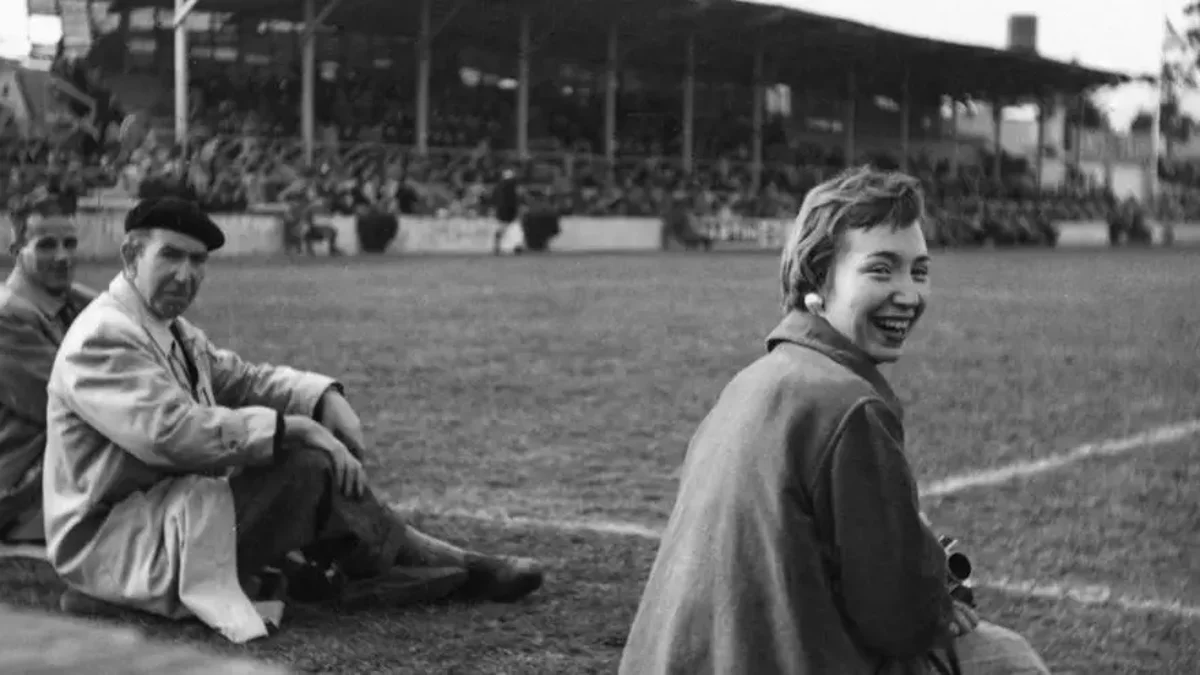
Joana Biarnés, a pioneering Spanish sports photographer, was standing beside a goal preparing to photograph a football match when the referee walked over and asked what she was doing there. When she said she was working, he told her that spot was reserved for photographers, and that she was a woman.
Biarnés showed him her press accreditation and stayed where she was.
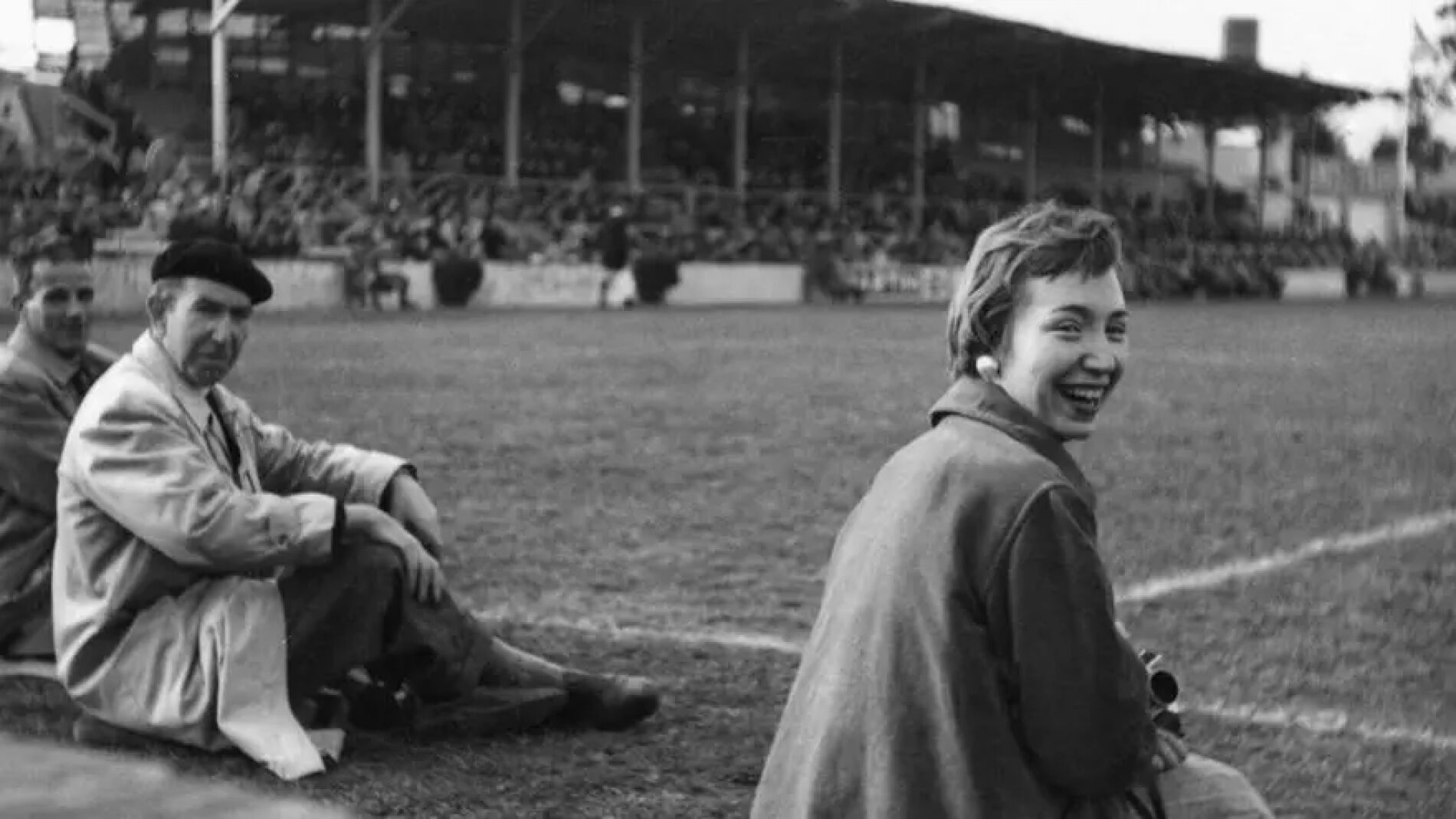
The crowd was no easier on her. Spectators shouted from the stands that she should go wash dishes, and others asked if she was looking for a boyfriend. She later said the experience was hard, but that she kept working. In a video that recorded her testimony, she recalled that the ground's match director confirmed to the referee that she was authorized to remain by the goal.
The incident belonged to the early years of a career that would take her far beyond football stadiums. Biarnés, who died in 2018, photographed artists, politicians and ordinary people at a time in Spain when seeing a woman behind a press camera still drew attention. Her determination to stay on the pitch that day explains part of that trajectory.
A press pass against the referee and the crowd
In an interview given years later to the magazine El Cultural, Biarnés placed the episode at a match she was covering with her father, who was also a photographer. She said the referee indicated the match would not start while she remained in the area reserved for press. She refused to leave, showed her permit, and the game eventually went ahead.
The insults kept coming from the stands. Biarnés recalled being told to go wash dishes, and said that while she stood her ground she thought of her father, positioned at the other goal. She said watching him work on the opposite side of the pitch influenced her decision to stay. The episode helps explain the difficulties of her early years, without reducing her whole career to that one confrontation.
Biarnés had begun publishing photographs in the sports newspaper Mundo Deportivo in 1953. She later expanded into reportage and joined the newsroom of the newspaper Pueblo, where she covered a wide range of different events. A biography of Joana Biarnés published years after her death has helped recover images and episodes from a career that had gone largely unrecorded for a time.
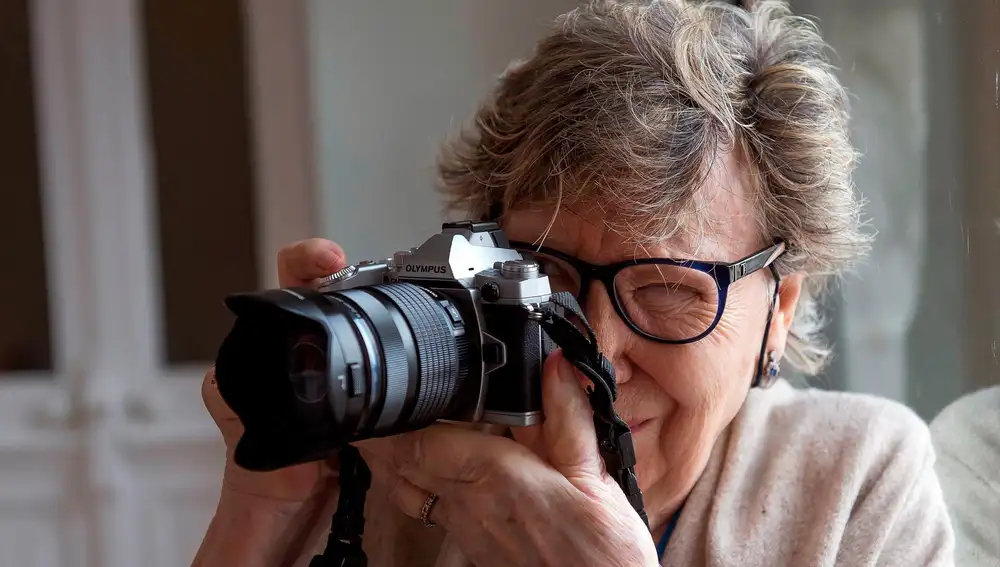
The career she built behind the camera
Biarnés photographed the Beatles during their visit to Spain and also worked on coverage of news events, entertainment and everyday life. That range was part of the job: she could go from a stadium to an interview, or to a street hit by the 1962 floods in the Vallès area. Sports photography was an entry point, though her archive ended up covering a large part of the country's social and cultural history.
It is now more common to find women accredited to work beside a football pitch, but the profession still requires access, assignments and resources to sustain the work. The experience of a photographer who covered the Women's European Championship shows how much effort can lie behind the images spectators see for only a few seconds.
One detail from Biarnés's account still carries its full force: she did not ask for a special place. She arrived at the ground with authorization to take photographs and insisted on using it. That day ended with the match under way and a photographer working from the very goal she had earlier been told to leave.
Test yourself
Why did the referee initially object to Joana Biarnés standing by the goal?
What did Biarnés do when the referee confronted her?
Where did Biarnés begin publishing photographs in 1953?