

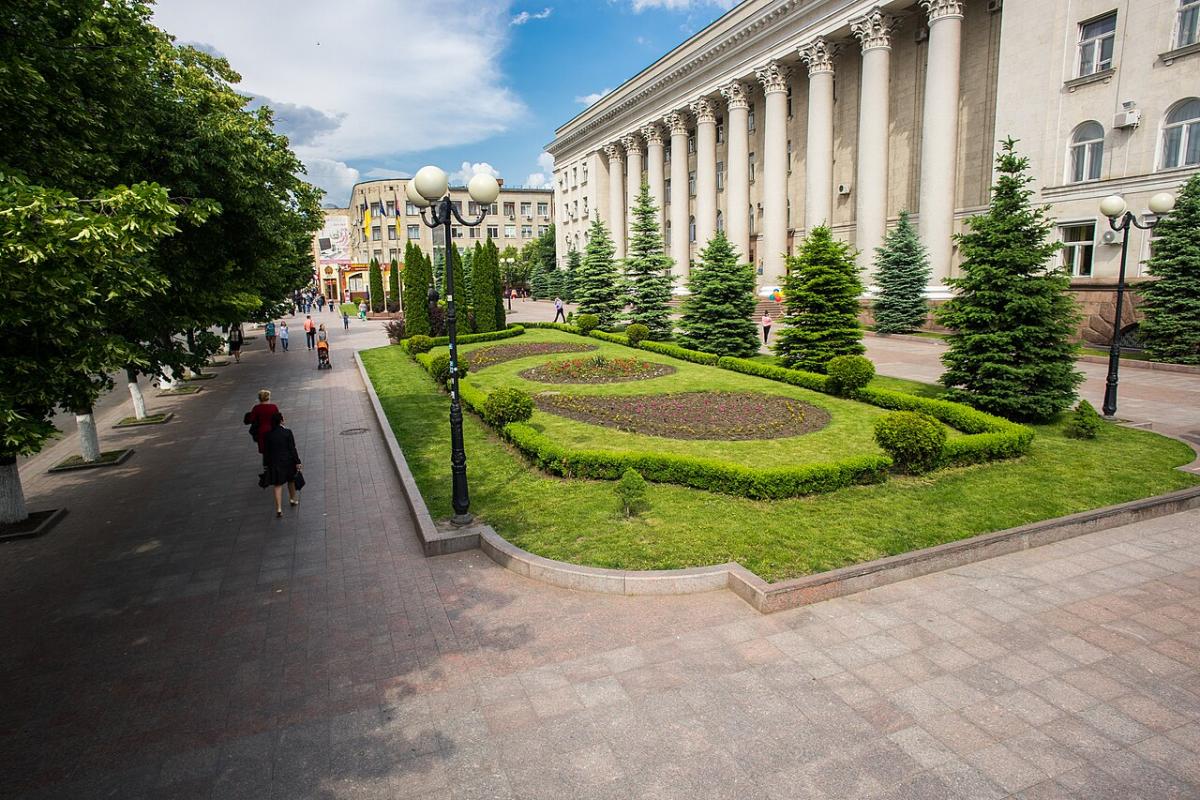
Kropyvnytskyi, located in the center of Ukraine, is considered the cradle of Ukrainian theater and has experienced multiple name changes throughout its history. People lived on the territory of the modern city as early as the Paleolithic era. During the Zaporozhian Sich era, Cossack settlements including Zavadivka, Kushchivka, and Lelekivka existed in the area.
The city originated from a fortress preserved today in the city park. The structure received its name in honor of Saint Elizabeth, the mother of the Prophet John the Baptist. The settlement that formed around the fortress in 1755 was unofficially called Yelysavet. In 1775, the name Yelysavethrad was established, where the root hrad signifies a fortification, though Yelysavet continued to appear in folk art.
Yelysavet stands as the earliest known historical name of the city. Usage of Yelysavet grew during the formation of the Ukrainian People's Republic, and in 1918 officials formally secured it in documents, press, and correspondence.
Soviet renaming history
When Bolsheviks took power, the city returned to the name Yelysavethrad. In 1924, authorities renamed the settlement Zinovievsk after politician Hryhorii Zinoviev, following a widespread Soviet practice of naming locations after communist figures.
In 1934, the city received the name Kirovo after officials accused Zinoviev in the shooting of politician Serhii Kirov. Authorities expanded the name to Kirovohrad in 1939. This title remained in place until Ukrainian independence, as efforts to rename the city stalled due to divided public opinion.
The Verkhovna Rada assigned the city the new name Kropyvnytskyi in 2016. The decision honored the prominent Ukrainian playwright and theater figure Marko Kropyvnytskyi while discarding a politicized communist name.
Constitutional rules and resident demonyms
The new city name did not apply to the surrounding region, which remains Kirovohrad Oblast. A matching situation exists with the city of Dnipro and Dnipropetrovsk Oblast. Changing a city name in 2016 required only a decision by the Verkhovna Rada. Regional names are specified in the Constitution, which requires a complex amendment procedure that is prohibited during wartime.
Residents of the city are grammatically referred to as kropyvnychany. In the singular form, a resident is called a kropyvnychanka or a kropyvnychanyn.


