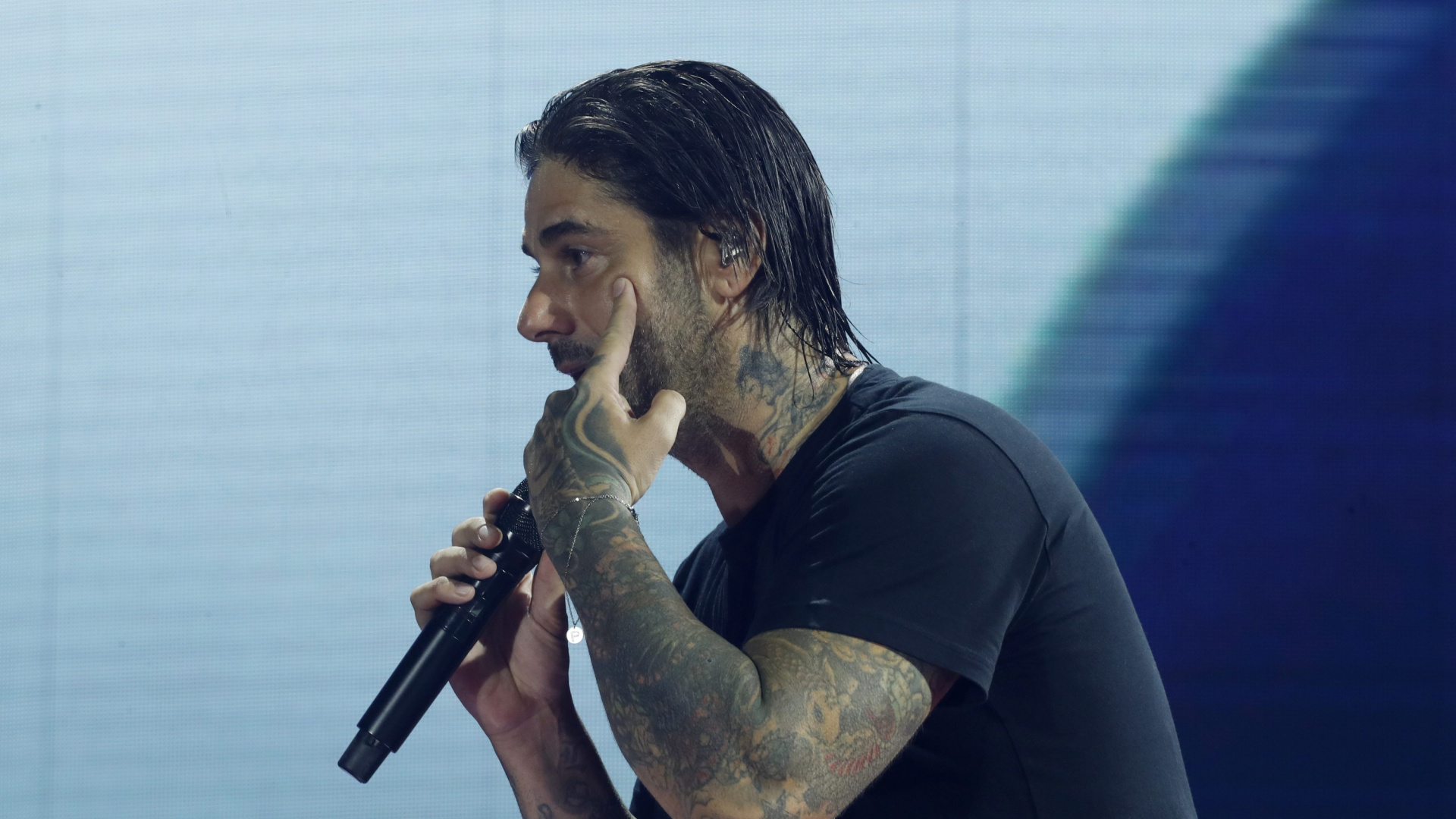


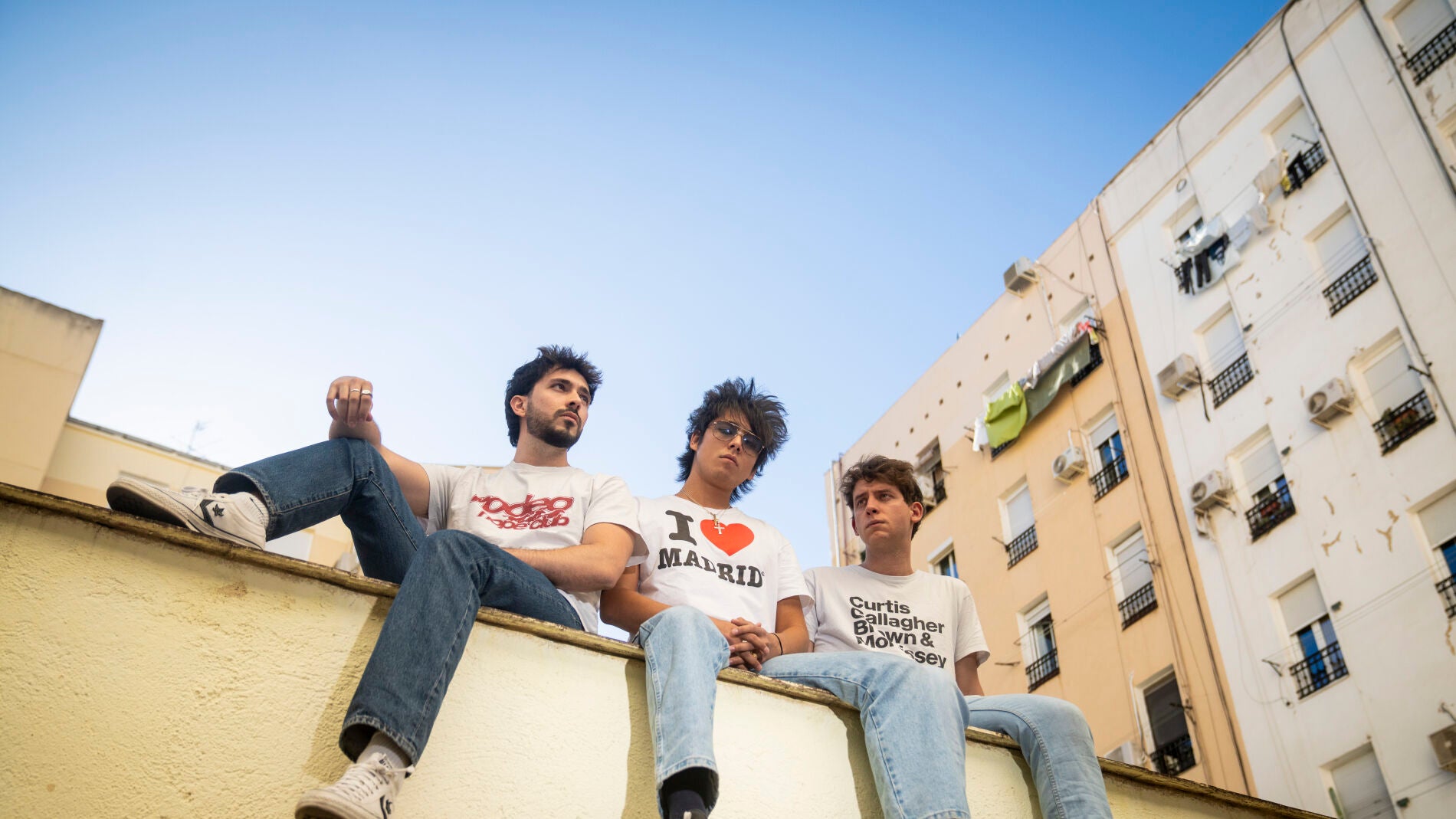
Madrid pop-rock band La Azotea will perform at Sala But on September 10 and at the Jardin de las Delicias festival on September 15.
The quintet, formed in 2020, released their debut album in 2024 and followed it in June with Miura, a five-track EP that the group considers their most satisfying work to date.
The group operates as a strictly independent band, with members balancing music alongside full-time careers as two engineers, a publicist, a commercial pilot, and an administrative worker.
La Azotea consists of lead vocalist Alvaro, rhythm guitarist and saxophonist Jorge, drummer Javier, bassist Pirri, and lead guitarist Pablo.
Musical Style and British Influences
Listeners frequently draw comparisons between La Azotea and Spanish acts such as El Canto del Loco, Pereza, and 1970s band Tequila.
Jorge said that Pereza and El Canto del Loco were essential references for the group, noting that those bands were the music they listened to in their parents' cars as children. He added that Tequila's distinct 1970s sound also naturally influenced their songwriting process.
Alvaro noted that while each member maintains individual musical tastes, the band shares a collective appreciation for British britpop groups including Pulp, Suede, and Oasis. He explained that these bands represent a combination of lyrics, sound, and attitude that appeal to the whole group.
The band's background includes listening to Oasis classics such as Wonderwall and Don't Look Back in Anger on second-hand record players, amidst the famous rivalries of the Gallagher brothers. They also take inspiration from Suede frontman Brett Anderson, who combined the presence of a rock star, an experimental theatre actor, and an athlete.
Rising Madrid Rock Scene
La Azotea forms part of a burgeoning rock movement in the Spanish capital that band members say is producing a fresh musical language.
Alvaro highlighted leading contemporary Spanish rock acts such as Arde Bogota, Ultraligera, and Carolina Durante. He said that although their lyrics differ from historic songwriters like Robe Iniesta or Joaquin Sabina, these modern groups offer an authentic narrative universe and classic guitar sounds to young rock fans through simple, personal songwriting.
Javier described Madrid as a powerful rock city where the live music circuit has accelerated significantly over the past three years. He noted that venues fill up daily with sold-out crowds, leading bands from other regions and cities such as Barcelona to host their largest shows in Madrid.
Alvaro added that despite rapid Europeanisation altering the city, specific historic neighbourhoods and music venues in Madrid continue to preserve the magic and spirit of the city from 30 years ago.
Shifting Cultural Dynamics
The band members observed that rock music has surrendered its traditional role as a force of cultural subversion to Latin rhythms, trap, and reggaeton.
Javier said that reggaeton and trap tracks now carry more controversial messages than modern rock. He pointed out that the indie wave of the 2010s, with which La Azotea does not identify, was characterized by overly positive and mild themes.
Alvaro remarked that while audiences were once scandalised by Mick Jagger's leg movements, lyrics, and long hair, future generations in 30 years may look back on Bad Bunny as the figure who caused scandal in the current decade.
Jorge acknowledged that La Azotea arrived late to the rock genre, noting that rock has lost the capacity to discomfit listeners that it possessed in earlier eras.
Political Disillusionment and Voting
Although La Azotea maintains an apolitical stance in their music, members expressed frustration regarding the current political environment in Spain.
Javier noted a sense of widespread generational apathy toward politics, pointing to recent election turnout figures hovering around 50 percent as evidence that citizens feel disconnected from political institutions.
Jorge criticized citizens who choose not to vote, stating that abstention reflects indifference. He stressed that voters dissatisfied with political options should still participate, emphasizing the importance of understanding the differences between abstaining, casting a blank vote, and submitting an invalid ballot.
Alvaro recalled a description of politicians as ugly rock stars, explaining that while politicians lack artistic ability, many seek cameras, microphones, spotlights, drugs, women, and self-aggrandisement. He concluded that public disconnection is natural when politicians behave as aspiring rock stars rather than public servants working for the country.
Early Days and Personal History
The band's current output builds on humble beginnings in their initial rehearsal space, where early practice sessions were filled with noisy attempts at music, conversations about rock and football, beer, and chorizo sandwiches prepared by a supportive father.
Individual members draw on distinct personal backgrounds across Madrid and abroad. Jorge spent formative time at Colo park in Alcala de Henares, contemplating the future outside the classroom.
Javier's memories include walking from his grandfather's home to matches at the former Vicente Calderon stadium to support Atletico Madrid. Meanwhile, Alvaro recalls watching football at his uncle Pepe's house in Acacias near Madrid-Rio, as well as annual summer visits to Japan to stay in a small home built by hand by his grandfather.