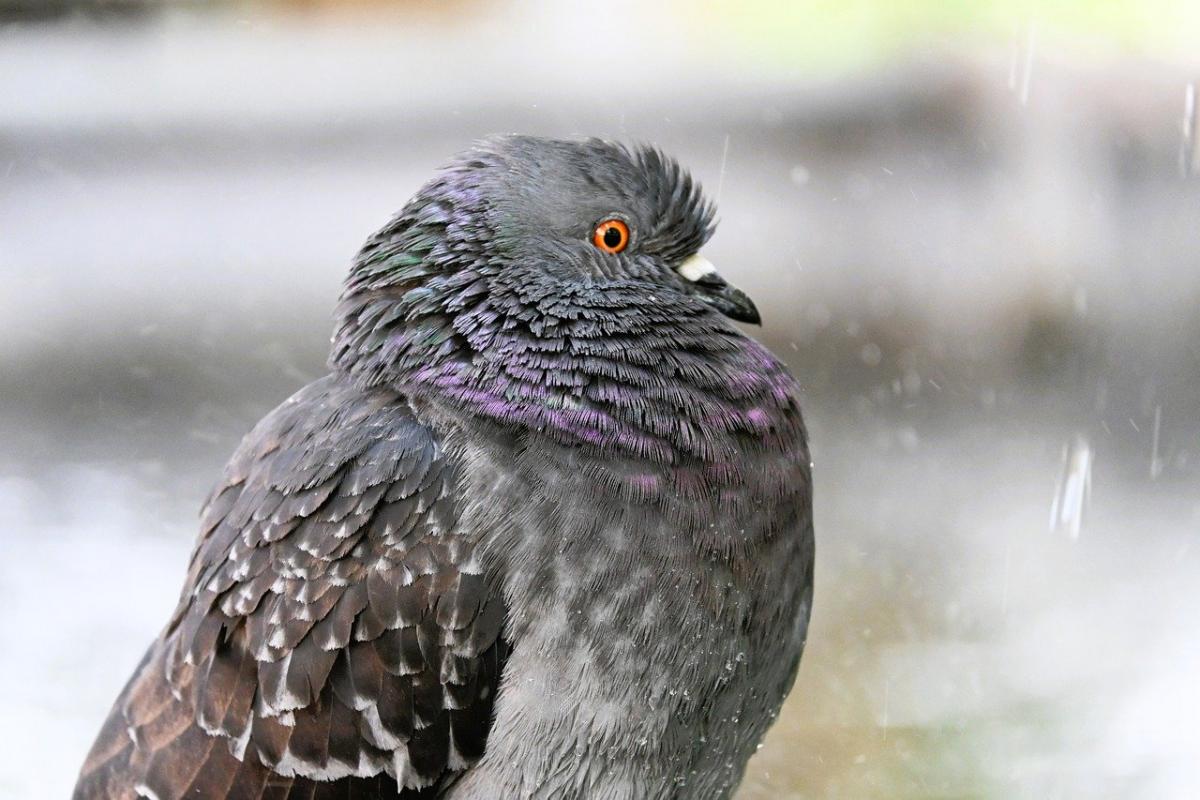
People across Europe and Latin America have long treated an unexpected splash of pigeon droppings as a sign of sudden wealth or good fortune. But doctors and scientists are warning that the cheerful superstition hides a real health risk, according to the lifestyle outlet Hogarmanía.
The belief that bird droppings landing on clothing or hair bring an unexpected windfall or a positive change in life is most common in Europe and Latin America. It is rooted in the pigeon's long-standing image as a symbol of peace and divine messages.
One often-cited example dates back to the 3rd century, when Fabian was reportedly chosen as Pope after a dove landed on his head during a vote, an event that was seen at the time as a sign from above.
How the Superstition Differs Around the World
Attitudes towards the omen vary widely from country to country, Hogarmanía reports. In Spain and across Latin America, people tend to laugh it off as a way of not letting a ruined outfit spoil their mood. In Russia, the belief holds that the messier the bird leaves you, the bigger the payout will be.
Japan, by contrast, has no such tradition at all. There, a dropping on your shoulder is treated simply as an unpleasant mess that needs to be cleaned up immediately.
The Real Health Risk Behind the Myth
Scientifically, bird droppings have nothing to do with luck, but they do contain uric acid and potentially dangerous microorganisms. Once the droppings dry out, they turn into fine dust that can easily become airborne and reach the lungs.
Doctors cited by Hogarmanía say inhaling that dust can lead to serious illness, including:
- Psittacosis, a bacterial disease transmitted by breathing in contaminated particles.
- Histoplasmosis, a respiratory infection caused by a fungus found in droppings.
- Cryptococcosis, a dangerous disease that attacks the nervous system, particularly in people with weakened immune systems.
Why the Belief Persists
Psychologists say the superstition survives because people are inclined to look for hidden meaning in random events. Believing that an unpleasant street incident will bring money helps reduce the stress and embarrassment of the moment, especially when it happens in front of other people.
What to Do If It Happens to You
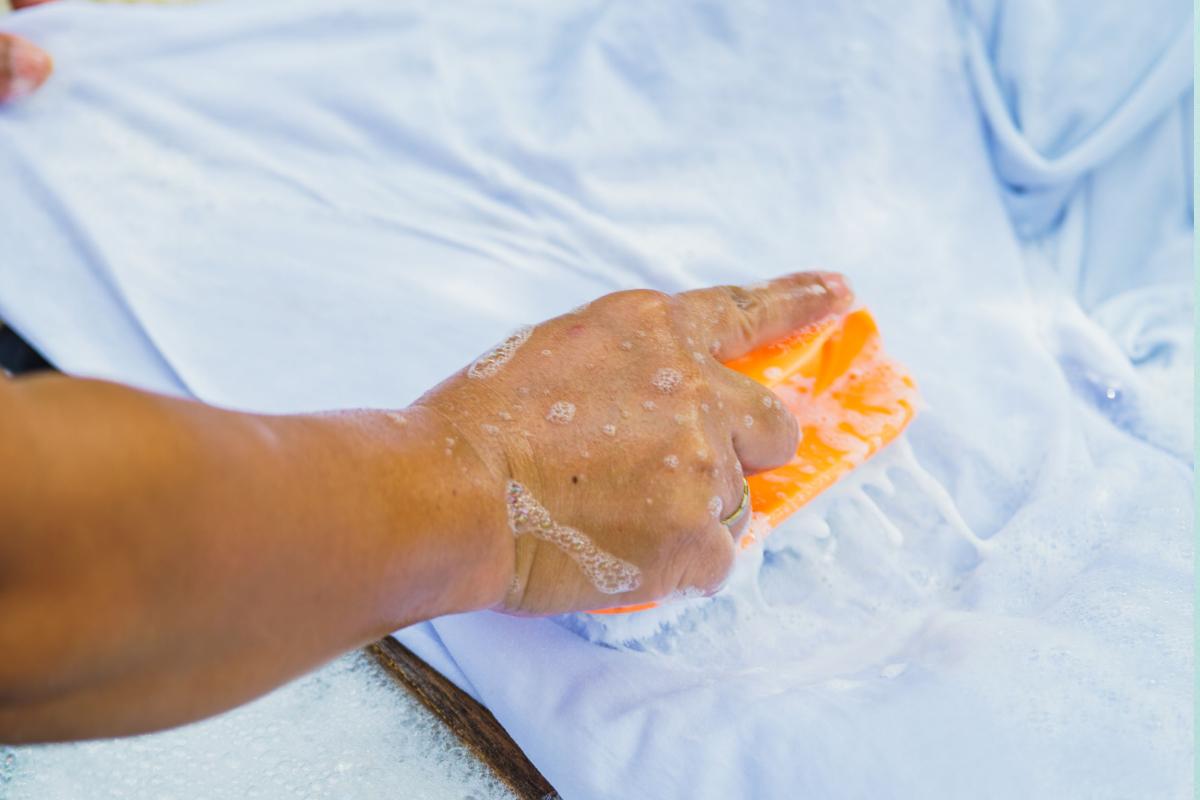
Hogarmanía outlines several steps for anyone caught out by a passing bird. Wash the affected area with soap and water as soon as possible, and avoid rubbing the stain while it is dry, to prevent smearing the dirt or irritating the skin.
Remove the soiled clothing and wash it in hot water without letting it dry first. Avoid touching your face until your hands are thoroughly washed, and do not use harsh chemicals on the skin.
See a doctor if the droppings land on an open wound, if you have a weakened immune system, or if breathing problems develop afterwards.
Other Bird Omens
The outlet has also previously reported on why birds knock on windows. In spring and summer, birds often see their own reflection in glass and mistake it for a rival entering their territory. They can also be drawn by feeders, water near the house and nighttime lighting.
According to folklore, a swallow is said to foretell good news or the return of a loved one, while a dove symbolises peace and harmony in the home. A bird striking a window, however, has long been considered a warning of trouble ahead.
Test yourself
What do many people in Europe and Latin America believe happens when a bird's droppings land on them?
Which bacterial disease can be contracted from inhaling dust from dried bird droppings, according to doctors cited by Hogarmanía?
Who was reportedly chosen as Pope in the 3rd century after a dove landed on his head during a vote?
Have your say
Do you believe bird droppings landing on you bring good luck?