Shoppers torn between liposomal and capsule forms of vitamin C face a question that usually comes up the moment the old bottle runs out and a shelf offers a dozen versions of the same nutrient. According to a buying guide published in La Razón, the real decision is not about chemistry but about how many capsules a person is willing to take each day and at what time.
A liposomal product can require one capsule or four, depending on the brand, while a classic ascorbic acid capsule resolves the dose in a single pill. Tablets take a different route, releasing the vitamin gradually or combining it with zinc and other ingredients. The guide recommends a single-capsule liposomal product for a one-dose routine, a classic capsule for simplicity and a bottle that lasts months, and checking existing supplements first to avoid repeating ingredients.
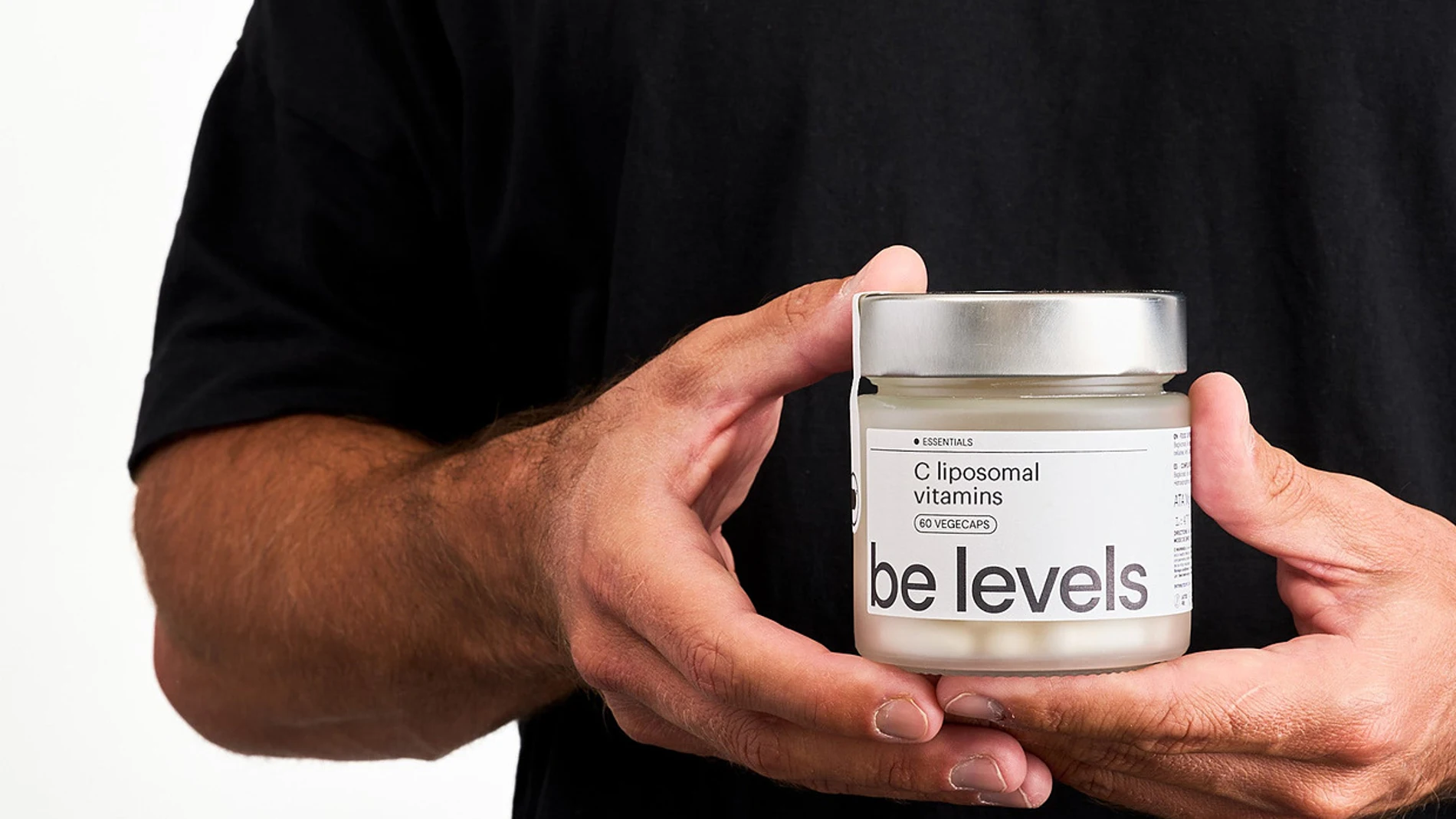
Be Levels: one capsule covering 520mg
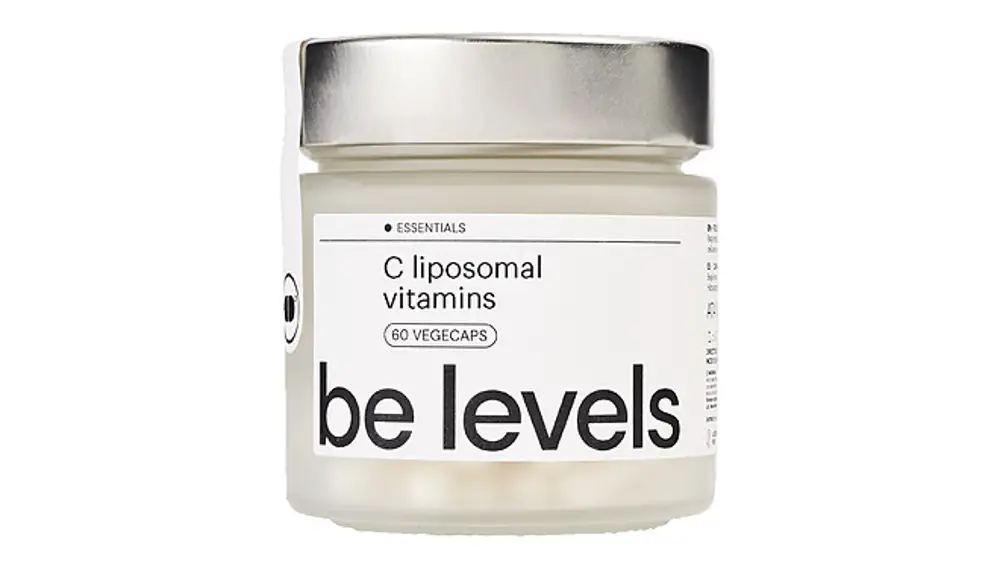
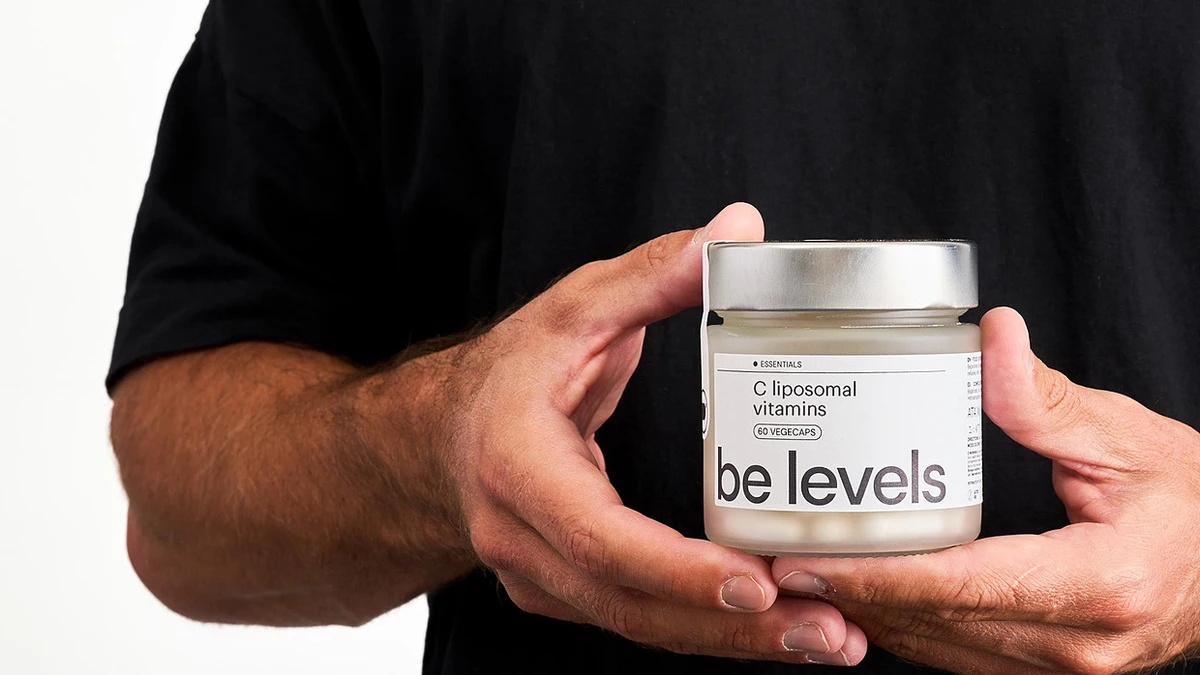
Be Levels C Liposomal Vitamins is presented as the easiest option to maintain: one capsule a day, at any convenient time. According to its label, the ingredient is liposomal vitamin C, meaning the nutrient travels wrapped in a tiny fat bubble, or liposome, which the brand says helps the body absorb it better. Each capsule provides 520mg, well above the daily reference for an adult.
The bottle contains 60 capsules, enough for two months of daily use. The brand lists it as suitable for vegans and free of gluten and lactose, and the label permits use from age three at the same one-capsule dose. The label also states it can be taken during pregnancy and breastfeeding, though it recommends checking with a doctor or midwife first. Readers can use the discount code LARAZON5%OFF in the brand's own store.
Solgar: the classic choice in one capsule
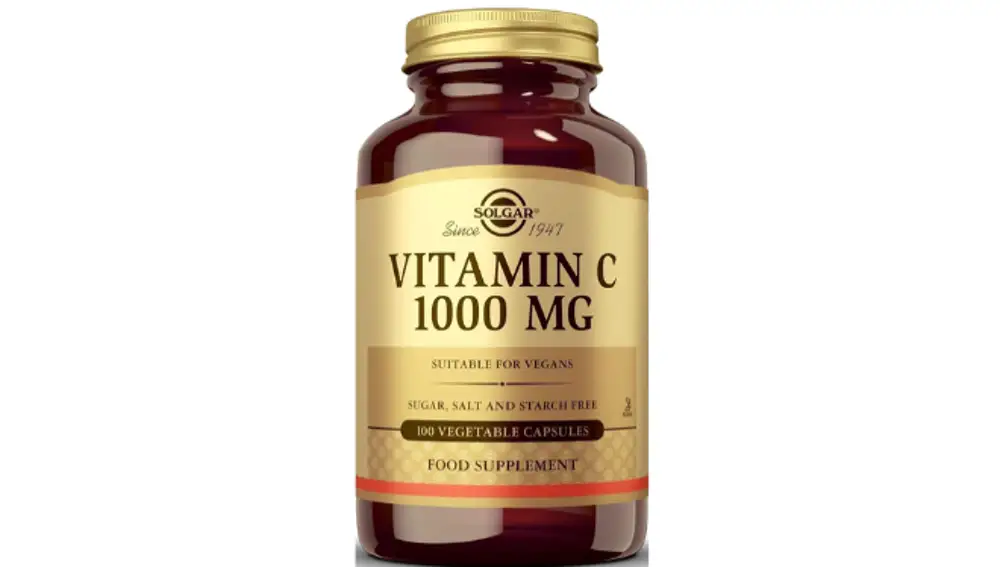
Solgar Vitamin C 1000mg uses L-ascorbic acid, the most common form of vitamin C, inside a vegetable capsule delivering 1,000mg per capsule. One capsule a day is enough. The bottle holds 100 capsules, lasting just over three months at that pace.
According to the brand, the formula contains no added sugars, gluten or lactose, and the vegetable capsule makes it suitable for vegans. Vitamin C contributes to normal collagen formation for the normal function of the skin, and also helps increase iron absorption, a relevant point for people who eat little meat.
Solaray: released gradually through the day
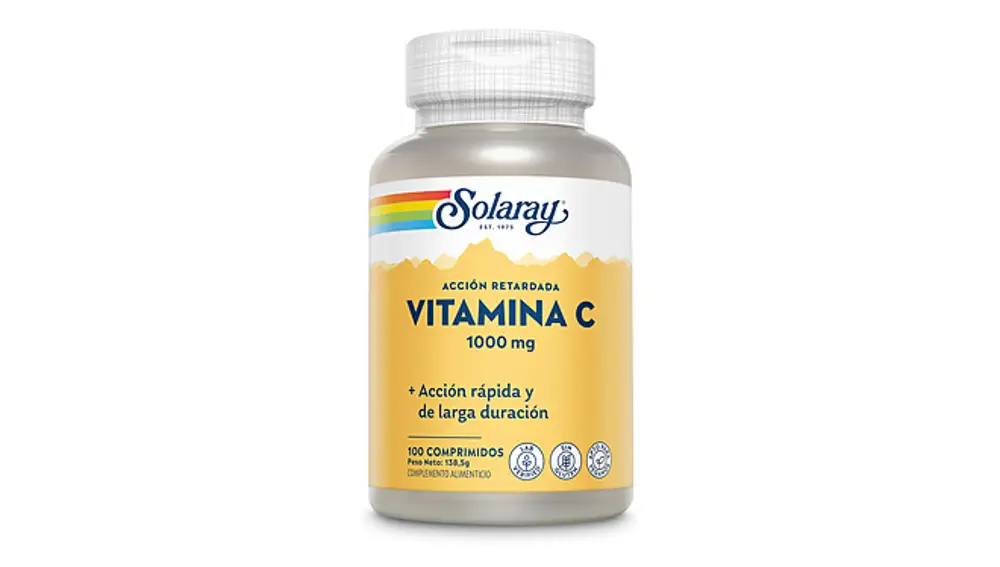
Solaray Vitamin C 1000mg with rosehip and acerola is designed for people who take their dose at breakfast but want it to last longer. According to the brand, the tablet releases half of its content immediately and the rest gradually over about 12 hours, a mechanism known as delayed release.
Each tablet contains 1,000mg of vitamin C along with rosehip, the fruit of the wild rose, and acerola, a tropical cherry, both naturally rich in vitamin C. The brand markets it as vegan and gluten-free. Vitamin C contributes to the normal function of the nervous system.
Aldous Bio: vitamin C with zinc and coenzyme Q10
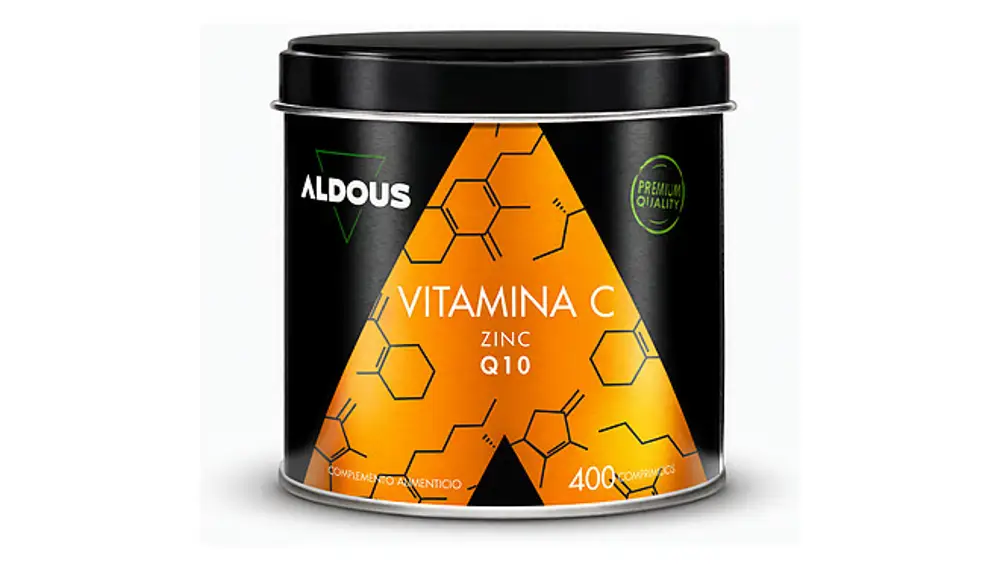
Aldous Bio Vitamina C combines nutrients rather than offering vitamin C alone. A daily dose of two tablets provides 1,000mg of vitamin C, 20mg of zinc and 40mg of coenzyme Q10, a substance the body produces naturally that many supplements include as a supporting ingredient.
The bottle contains 400 tablets, lasting more than six months at two a day. According to the brand, the formula has no sweeteners or flavourings, no gluten or lactose, and does not contain magnesium stearate or silicon dioxide, two common tablet additives some people prefer to avoid. The guide advises checking any existing multivitamin for zinc before adding this product, to avoid exceeding the recommended daily amount.
Vitavea: liposomal vitamin C across four capsules
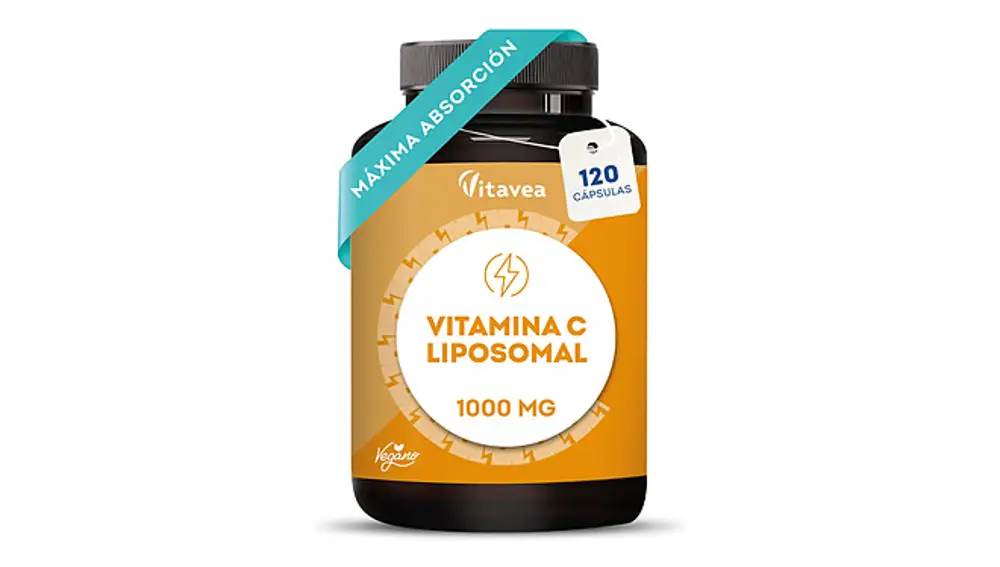
Vitavea Vitamina C liposomal requires four capsules a day, each containing 250mg, reaching 1,000mg combined. The vitamin is encapsulated in liposomes made with sunflower lecithin, a widely used plant-based ingredient in food. The bottle holds 120 capsules, covering one month of daily use, and the label instructs taking the capsules with a glass of water.
The product is intended for adults only, and the label does not recommend it during pregnancy or breastfeeding. The capsules are vegetable-based and the brand describes the formula as vegan, gluten-free and lactose-free. Vitamin C contributes to the protection of cells from oxidative stress.
WeightWorld: liposomal vitamin C with rosehip
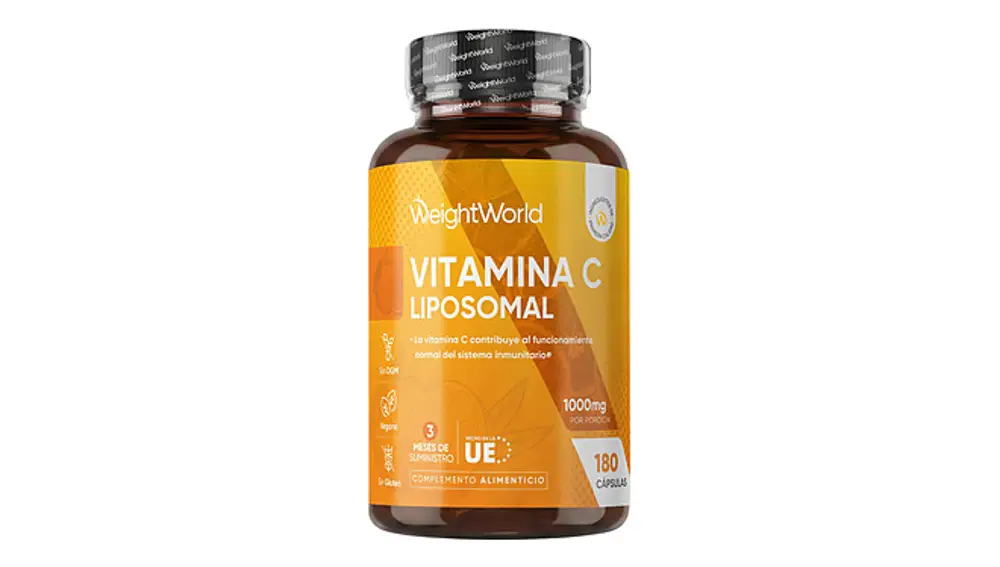
WeightWorld Vitamina C liposomal adds rosehip extract, a wild fruit rich in vitamin C, to a liposomal ascorbic acid base. The liposomes are made from sunflower phospholipids, a plant-based fat. The brand sets the dose at 1,000mg per serving, and the bottle contains 180 vegan capsules; the guide notes that checking how many capsules make up that serving determines how long the bottle will actually last.
The brand markets the product as gluten-free and suitable for vegan and vegetarian diets. Vitamin C contributes to normal energy-yielding metabolism.
What separates liposomal, capsules, tablets and liquids
All these forms deliver the same nutrient, vitamin C, but differ in how it is wrapped, how much comes in each dose and what habit it demands. Liposomal versions enclose the vitamin in small fat bubbles, usually plant-derived, which manufacturers present as better absorbed. The guide notes liposomal products tend to cost more than classic capsules and that the dose per capsule varies widely, from 250mg to 520mg depending on the brand.
The classic capsule carries vitamin C as ascorbic acid in its simplest form, generally lasts longer per bottle and is easy to find; a vegetable capsule suits vegans, a gelatine one does not. Tablets, being compressed, allow delayed release or combinations with other ingredients, as with Solaray and Aldous Bio, and often carry more components, so their labels deserve closer reading.
Powder or effervescent versions dissolve in water for people who dislike swallowing pills, though they carry a tart taste. Drops and liquids allow finer dosing but often need refrigeration once opened and have a shorter shelf life. Gummies are convenient but worth checking for sugar content, and buffered, non-acidic vitamin C, sold as calcium or sodium ascorbate, is generally sought out by people with sensitive stomachs.
How much vitamin C is actually needed
The reference intake for an adult in the European Union is 80mg a day, a level a varied diet with fruit and vegetables usually reaches on its own. Each of the products in the guide provides several times that amount in a single dose.
The most common buying mistake, according to the guide, is focusing on the milligram figure on the front of the packet rather than the dose per actual serving, since some bottles need four capsules to reach 1,000mg while others deliver it in one. The guide advises checking how many capsules or tablets make up the stated daily dose before buying, and comparing cost per day of use rather than per capsule, since bottles with similar capsule counts can last very different lengths of time depending on the daily dose. It also suggests taking vitamin C with food rather than on an empty stomach if it causes discomfort, and switching to a lower dose or a buffered formula, or stopping and consulting a pharmacist or doctor, if the discomfort persists.
The guide's own picks are Be Levels for a single daily dose of liposomal vitamin C, and Solgar for a classic, long-lasting option. It adds that dietary supplements should not replace a varied, balanced diet or a healthy lifestyle, and that the recommended daily dose should not be exceeded.
Test yourself
How many capsules of Be Levels C Liposomal Vitamins does the label call for per day?
What is the EU's daily reference intake of vitamin C for an adult?
Which product combines vitamin C with zinc and coenzyme Q10?
Have your say
Which vitamin C format would you choose?