
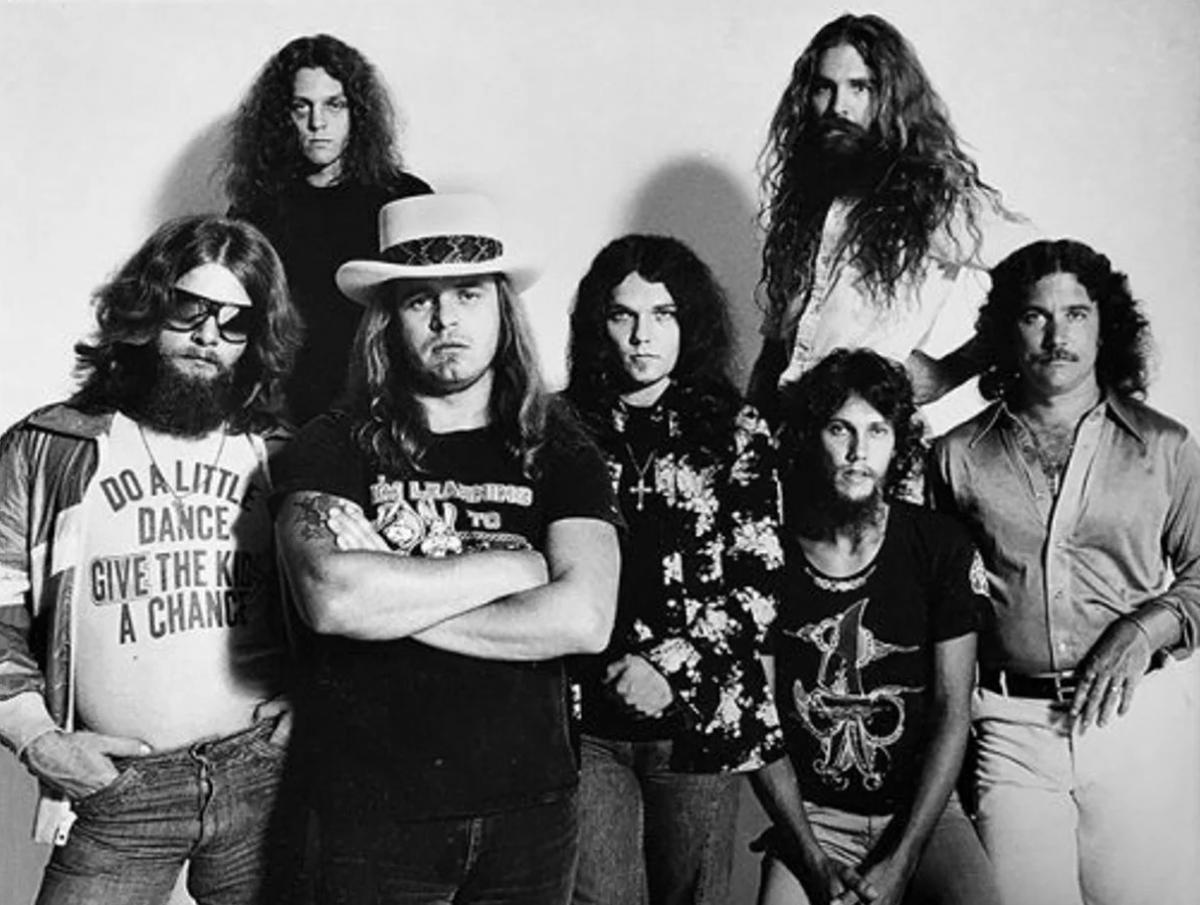
The 1974 song Sweet Home Alabama by American rock group Lynyrd Skynyrd has been named the 14th best classic rock track of all time in a ranking compiled by digital streaming platform Amazon Music, Parade magazine reported.
The track served as a featured song on the group's second studio album, Second Helping, released in 1974. It became the band's first major commercial hit, climbing to number eight on the US Billboard Hot 100 chart. That result remains the highest chart position Lynyrd Skynyrd ever achieved on the flagship American singles ranking.
The creation of the track began with a signature guitar riff developed by guitarist Gary Rossington, who frequently played the musical sequence while waiting for fellow band members to arrive for rehearsal sessions. Lead singer Ronnie Van Zant subsequently wrote the lyrics, while Rossington and guitarist Ed King completed the musical arrangement. King composed the famous opening guitar figure, which has since become recognized as one of the most iconic instrumental intros in classic rock history.
Response to Neil Young
The composition was intended as more than a simple song about the band's home region. Lynyrd Skynyrd wrote the piece to express their attitude toward the American South and enter a musical dialogue with Canadian singer Neil Young, who had previously released the songs Southern Man and Alabama. Those tracks delivered explicit criticisms of racism, slavery, and the historical legacy of the Southern United States.
In response to Young's critique, Lynyrd Skynyrd referenced the Canadian musician within the lyrics of Sweet Home Alabama. The mention allowed the band to directly respond to his public position on the region.
Decades of industry recognition
Over the decades following its release, the song has accumulated significant industry accolades. In 2006, cable channel Country Music Television named Sweet Home Alabama the top Southern rock song of all time. Three years later, in 2009, the track was officially inducted into the Grammy Hall of Fame, an honor reserved for recordings of lasting historical significance.
The song has also been re-recorded by a wide range of musical acts across genres, including American country music group Alabama and pop singer Jewel. More than 50 years after its original studio release, the track maintains its status as a cornerstone of Southern rock, celebrated for its opening guitar intro, infectious chorus, and historic dialogue with Neil Young.