

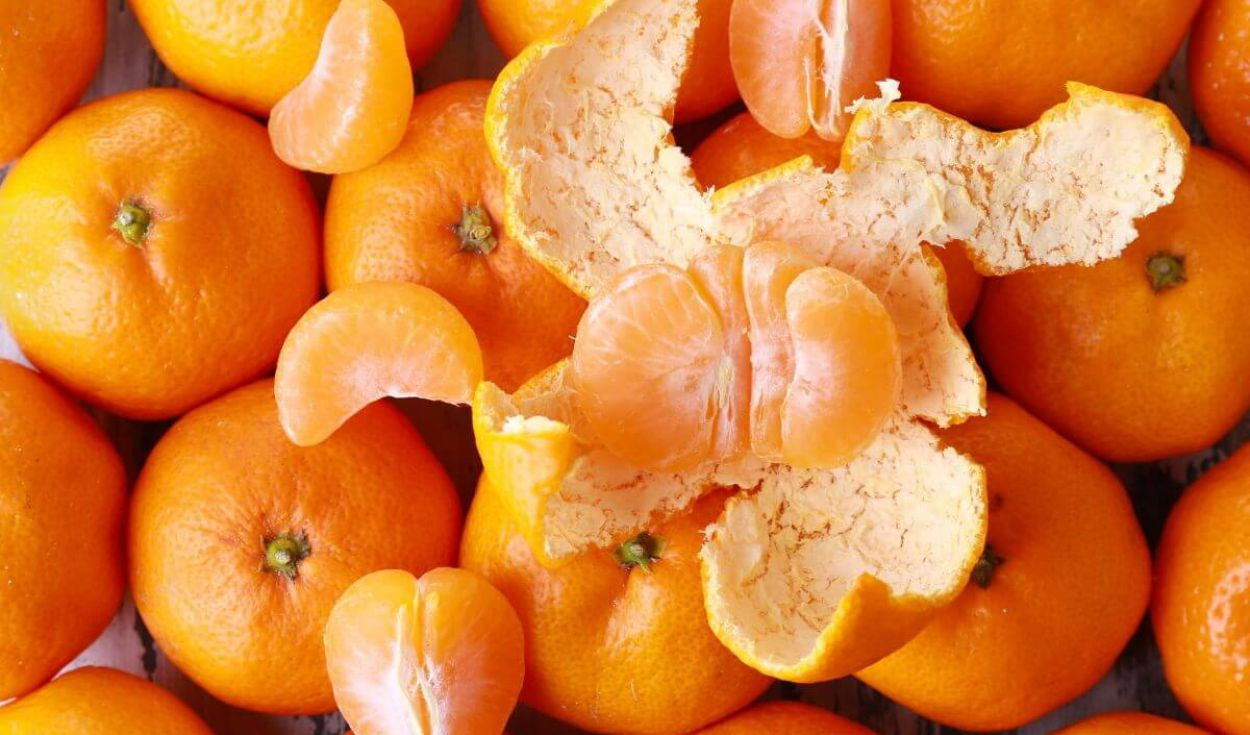
Mandarin orange peels can be repurposed for a variety of domestic uses rather than thrown into the garbage after peeling the fruit. Leaving the citrus skins to dry in direct sunlight for several days transforms common kitchen waste into a versatile ingredient for cleaning, pest control, and personal care.
Dehydrating the peels under the sun for three to four days removes the vast majority of their moisture, extending their shelf life and preventing decay. Once fully dried, the peels can be used intact or ground into a fine powder to prepare homemade infusions, air fresheners, multipurpose cleaners, insect repellents, and skincare scrubs.
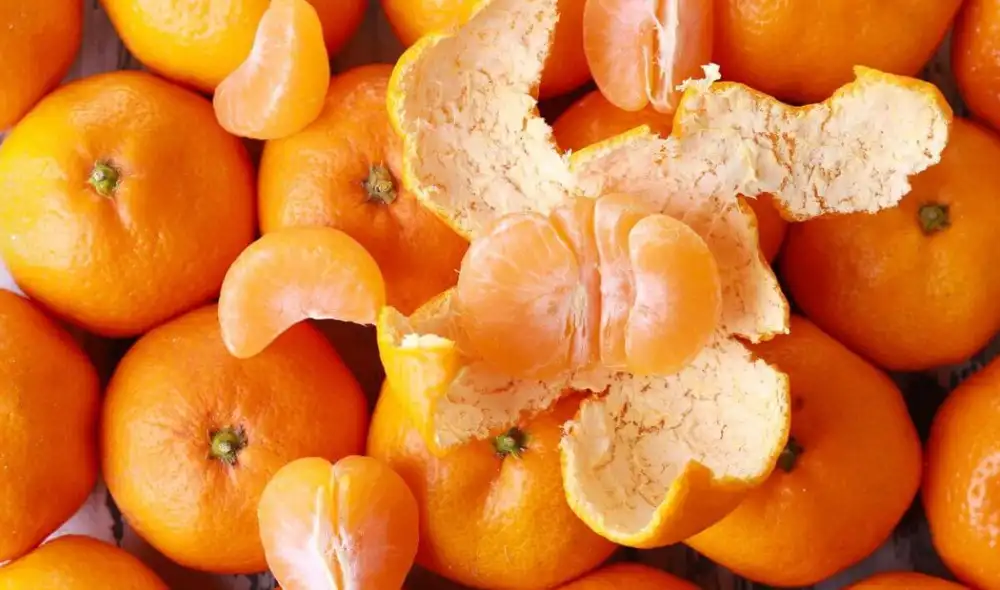
Mandarin oranges, classified botanically as Citrus reticulata, are small citrus trees native to East Asia that are now cultivated in warm climates worldwide. While the juicy pulp is consumed fresh, the outer orange skin, known as the pericarp or flavedo, contains dense microscopic oil glands. These glands store natural essential oils rich in D-limonene, a volatile monoterpene chemical compound that gives citrus fruits their characteristic fragrance. D-limonene is widely used in commercial manufacturing as a bio-based solvent, aromatic agent, and pest deterrent due to its ability to dissolve oils and repel insects.
Sun Drying and Essential Oil Preservation
Drying fruit peels in the sun is a traditional food preservation technique that uses solar heat and ambient airflow to evaporate moisture. Keeping the peels in sunlight for three to four days eliminates water content, which prevents the growth of mold, yeasts, and bacteria that normally decompose fresh fruit waste. Moisture reduction leaves behind a stable, dehydrated peel that can be stored indefinitely in dry pantry containers.
The solar drying process also intensifies the aromatic scent of the peel as water evaporates, concentrating the lipophilic essential oils within the remaining skin matrix. Preserving these essential oils allows the dried peels to release active aromatic compounds whenever they are rehydrated, infused in liquids, or crushed into powders.
Five Practical Uses for Dried Mandarin Peels
Once mandarin peels are completely dried, they can be repurposed around the home in five primary ways:
- Herbal infusion: Dried mandarin peels can be boiled in water for several minutes to create a hot citrus beverage with a distinct aroma and flavor. Citrus peel teas have a long history in traditional wellness practices, where warm infusions of citrus skin are consumed after meals as a digestive aid and a soothing drink to promote physical relaxation.
- Natural air freshener: Because dehydration concentrates the fruit essential oils, dried mandarin skins act as an effective natural air freshener for indoor environments. Placing pieces of the dried skin in small open containers or porous cloth sachet bags allows the citrus scent to diffuse slowly into enclosed areas, counteracting musty smells inside clothes closets, storage drawers, cabinets, and automobiles.
- Multipurpose household cleaner: Combining dried mandarin peels with white vinegar in a jar and steeping the mixture for several days creates a homemade surface cleaner that cuts through grease and surface grime. White vinegar is a dilute solution of acetic acid, a natural solvent capable of breaking down mineral deposits and neutralizing alkaline odors. When infused with citrus oils from mandarin skins, the acidic solution gains enhanced grease-cutting power and a fresh citrus fragrance for sanitizing kitchen counters, sinks, and bathroom fixtures.
- Natural insect repellent: The essential oils concentrated in dried mandarin peels serve as a natural pest deterrent for household spaces. Many common insects, including ants and moths, navigate using sensitive olfactory receptors that are overwhelmed by strong citrus terpenes like D-limonene. Placing dried peel fragments near windowsills, doorways, cupboards, and wardrobes creates a natural scent barrier that discourages insects from entering living quarters.
- Exfoliating scrub powder: Completely dried peels can be crushed or blended into a fine powder to serve as a base for natural skincare treatments. Combining the citrus powder with moisturizing ingredients like honey, coconut oil, or yogurt produces a gentle body scrub. In cosmetic formulations, honey acts as a natural humectant that attracts moisture, coconut oil provides nourishing fatty acids, and yogurt contains lactic acid, an alpha-hydroxy acid that works alongside the abrasive citrus particles to exfoliate dead skin cells and smooth the skin surface.
Sustainable Waste Reduction in the Home
Repurposing organic fruit waste aligns with broader household practices aimed at reducing municipal solid waste. Organic scraps sent to landfills decompose anaerobically, generating methane gas, a potent greenhouse contributor. Upcycling citrus peels into functional home products reduces food waste while reducing household reliance on commercial synthetic cleaners packaged in single-use plastics.
Homeowners seeking to try these methods can collect mandarin peels after eating the fruit, spread them evenly across a clean tray, and leave them in direct sunlight for three to four days until completely dry and brittle.


