

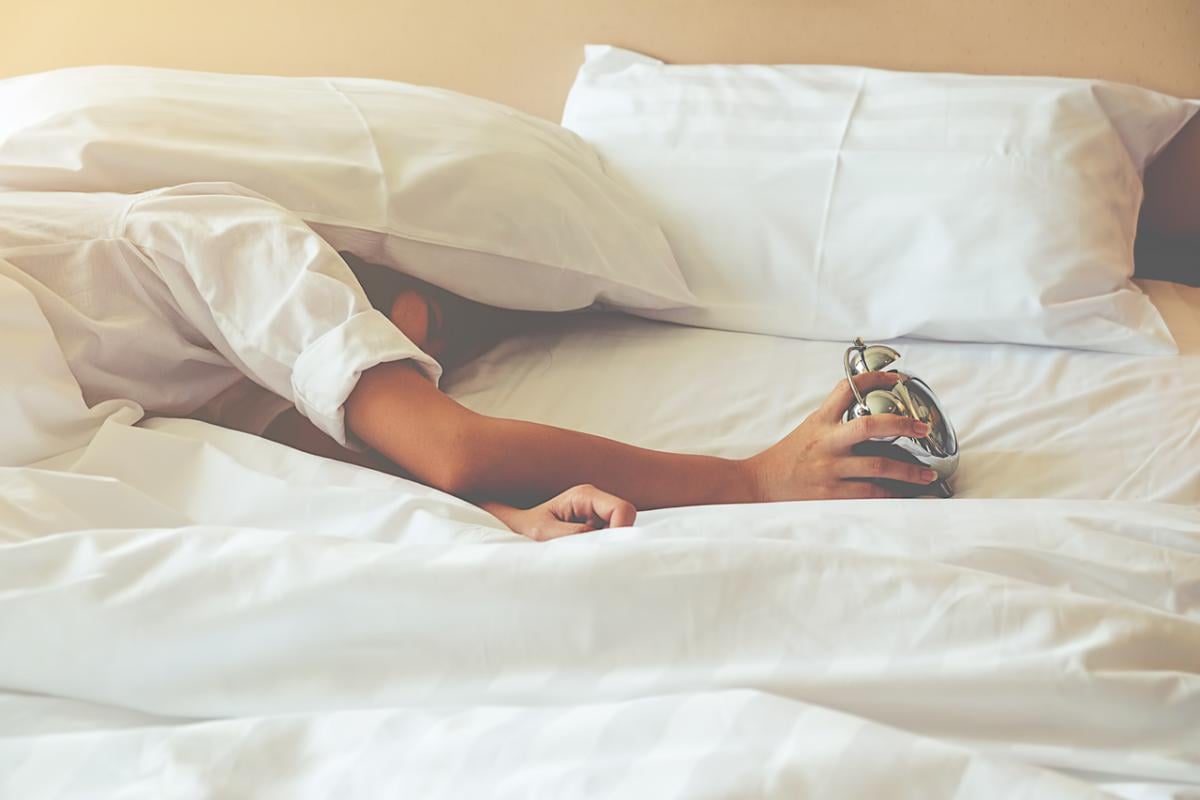
Waking up at 2:00 a.m. or 3:00 a.m. without being able to fall back asleep immediately is not a reason to panic, as historians suggest such midnight awakenings were once a natural part of human rest. According to publication Mental Floss, historical records show that for much of human history, people routinely slept in two separate stages each night.
Under this biphasic sleep pattern, individuals usually turned in between 9:00 p.m. and 11:00 p.m. for their first sleep, which lasted several hours. They would then stay awake for roughly one to two hours in the middle of the night before returning to sleep until morning.
Historical evidence for two sleeps
Historian Roger Ekirch drew attention to the phenomenon after discovering numerous references in historical documents to a so-called first sleep and second sleep. One crucial clue came from the testimony of nine-year-old Jane Routh during a 1699 murder trial in England involving the death of her mother. The young girl casually mentioned in court that she and her mother had woken up after their first sleep.
Ekirch, an American professor of history who has spent decades studying pre-industrial routines, began searching for similar mentions across broader historical sources. He discovered references to two-stage sleep in literature, medical texts, songs, and official records. Middle English author Geoffrey Chaucer described first and second sleep in his famous work The Canterbury Tales, and Ekirch identified similar evidence across England and other regions worldwide.
Mentions of the routine also appear in ancient texts written by Greek biographer Plutarch and Roman historian Livy. These classical accounts indicate that biphasic sleeping habits were common long before the Middle Ages.
Nighttime activities and living conditions
Waking up in the middle of the night did not mean people spent the time lying restlessly in the dark. Instead, people used the period for a variety of tasks. Some performed household chores, prayed, or reflected, while others stayed in bed chatting with loved ones. For married couples, the quiet hour offered a rare moment of privacy.
Ekirch noted that people would also get out of bed to urinate, smoke tobacco, or visit their neighbors. Others used the waking break to ponder their dreams, which were often remembered with particular clarity during the night.
Sleeping conditions in past centuries differed greatly from modern standards. Families and household members frequently slept together in one large bed to stay warm, and these shared sleeping spaces were often infested with lice, fleas, and other parasites.
The impact of artificial light
The widespread adoption of artificial lighting eventually brought an end to the two-stage sleep cycle. Artificial light allowed people to remain active long past sunset and altered the production of melatonin, a hormone in the body responsible for regulating sleep and wake cycles.
However, the ancient rhythm has not entirely disappeared. In scientific experiments where volunteers spent several weeks living without clocks or artificial lights, a biphasic sleep pattern naturally returned in some cases, suggesting that middle-of-the-night waking remains deeply rooted in human biology.


