


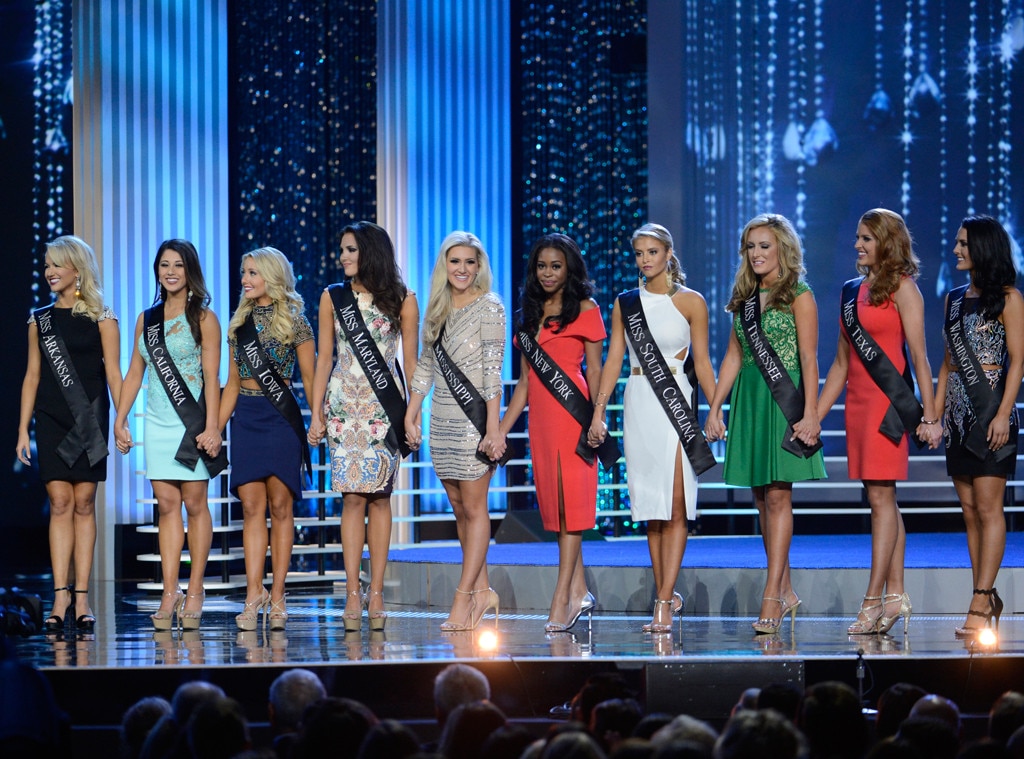
Fifty-one pageant queen hopefuls compete for the Miss USA title on Aug. 27 at Miami's Adrienne Arsht Center for the Performing Arts under strict pageant entry rules. The winner earns a yearlong six-figure contract and the right to represent the United States at the Miss Universe pageant in Puerto Rico this November.
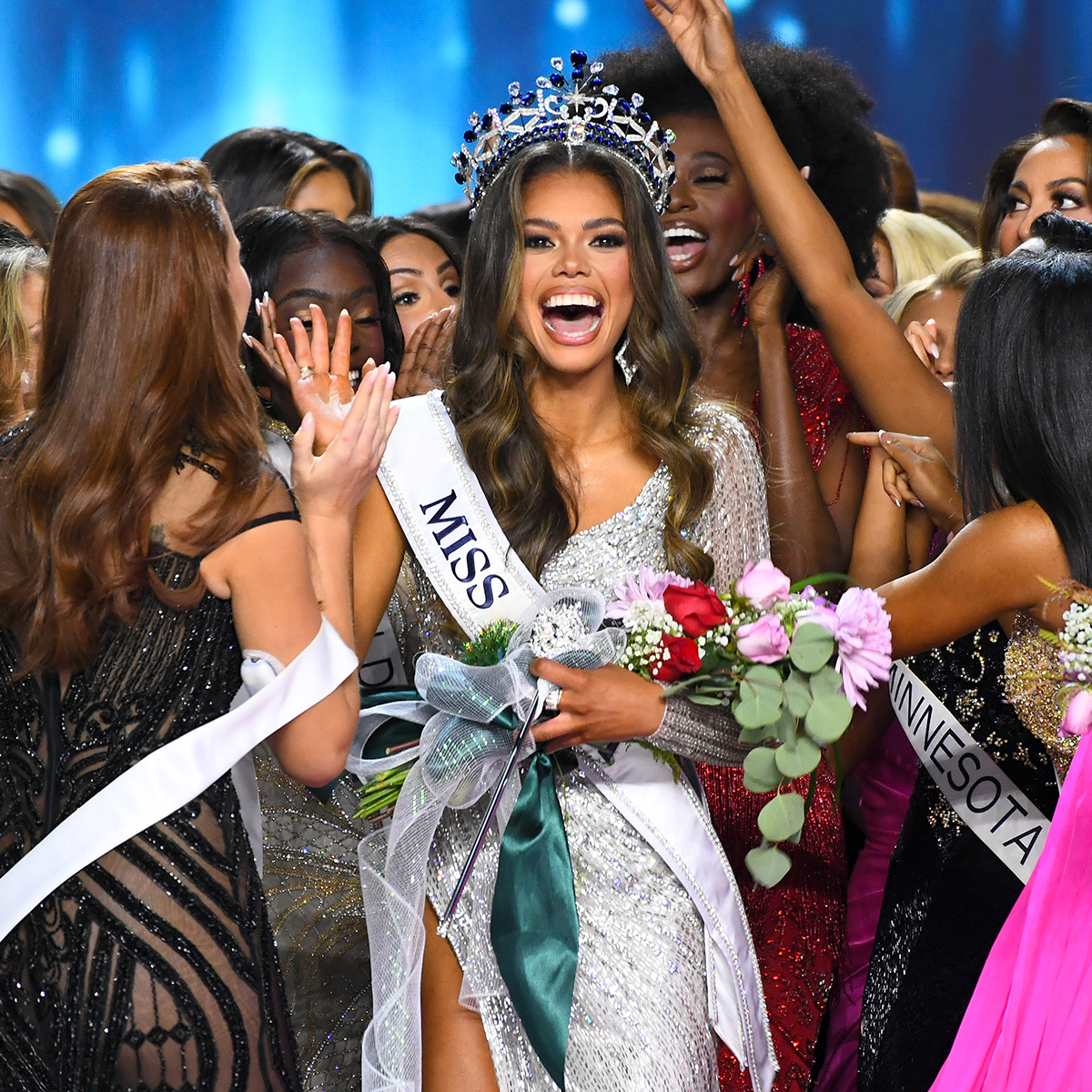
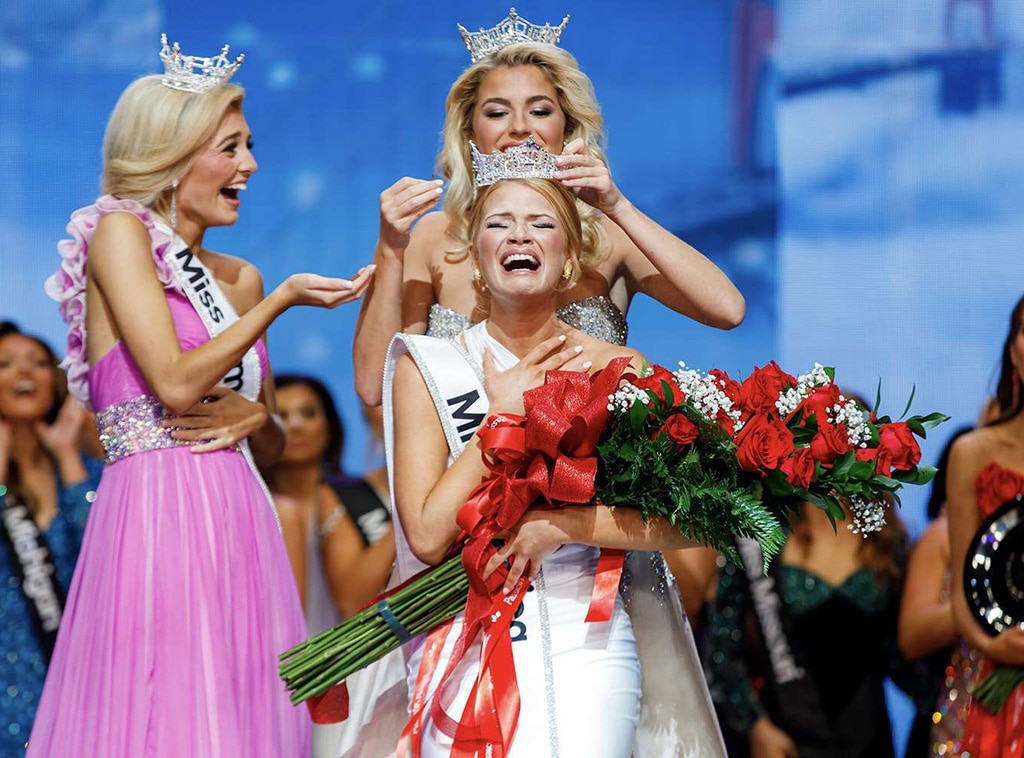
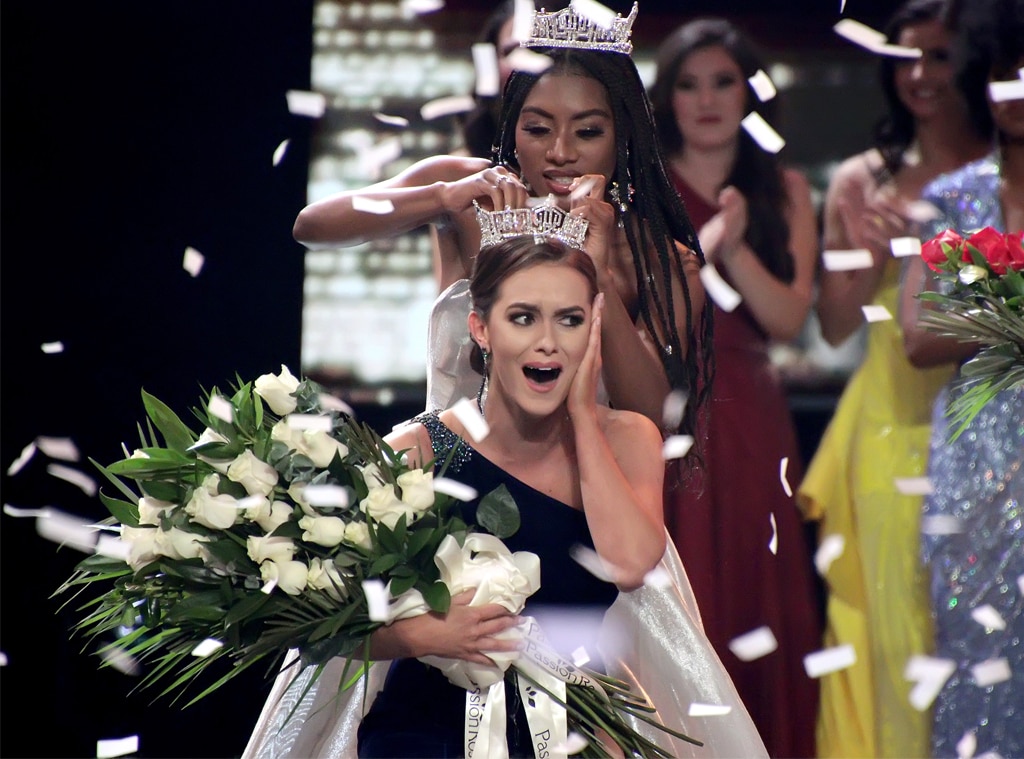
Nebraska's Audrey Eckert prepares to crown her successor at the conclusion of the event after completing her own reign unscathed. The annual competition tests contestants across multiple rounds before crowning the national titleholder.
Broadcast Rights and Streaming Shift
The 2026 event takes place amid last-minute changes to its television coverage. Just six days before the competition, The CW network announced it would not air the annual broadcast scheduled for Aug. 27.
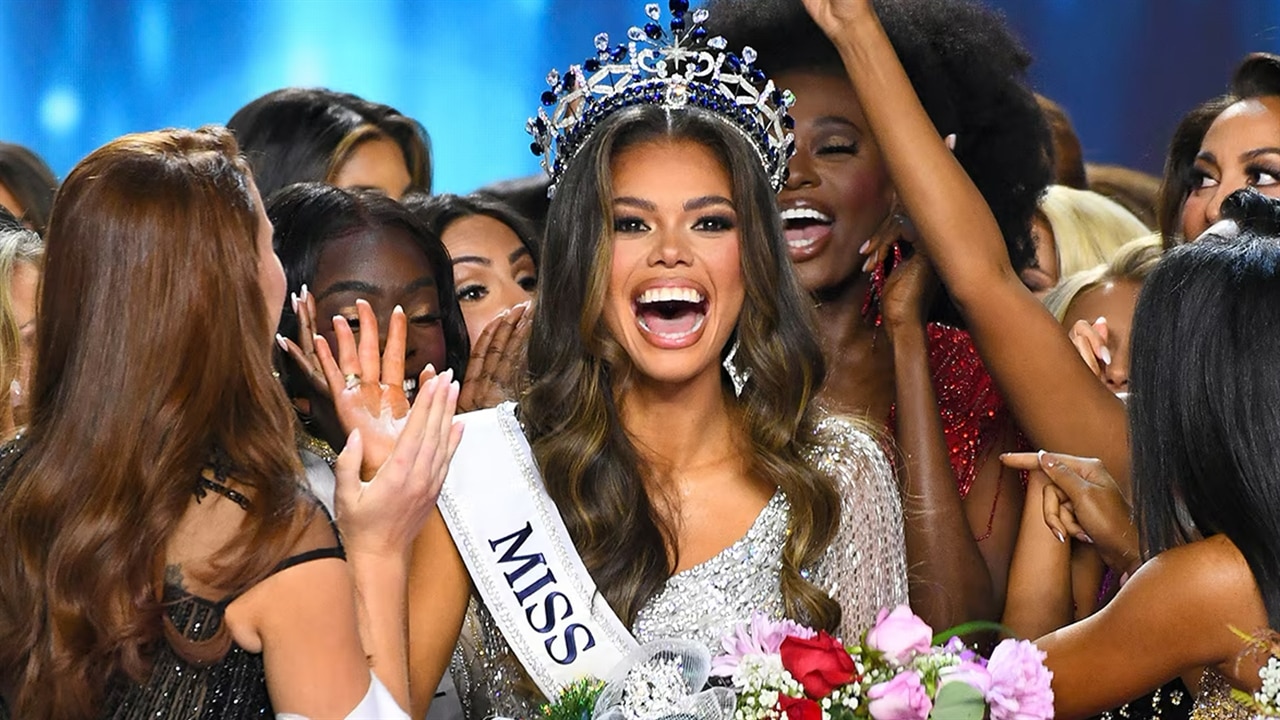
In an Aug. 20 statement posted to Miss USA's official Instagram Story, organizers cited a "contractual issue with our production arrangements that could not be resolved within the necessary time frame" and stated they "were unable to reach mutually agreeable terms for this year’s event." Instead, the pageant airs on the Queen Beauty Network, a subscription streaming platform focused on fashion, beauty, and pageants, which also broadcast Miss Teen USA on Aug. 26.

Past Resignations and Internal Turmoil
The broadcasting disruption marks the latest challenge for the pageant organization following public executive strain. Two years ago, Miss USA Noelia Voigt and Miss Teen USA UmaSofia Srivastava both relinquished their titles in separate decisions.
Voigt cited mental health reasons for her departure, while Srivastava publicly stated that her personal values were "no longer aligned" with the organization. Although neither titleholder spoke out directly at the time, their mothers appeared together on ABC's Good Morning America that May, where Jackeline Voigt stated, "The job of their dreams turned out to be a nightmare."
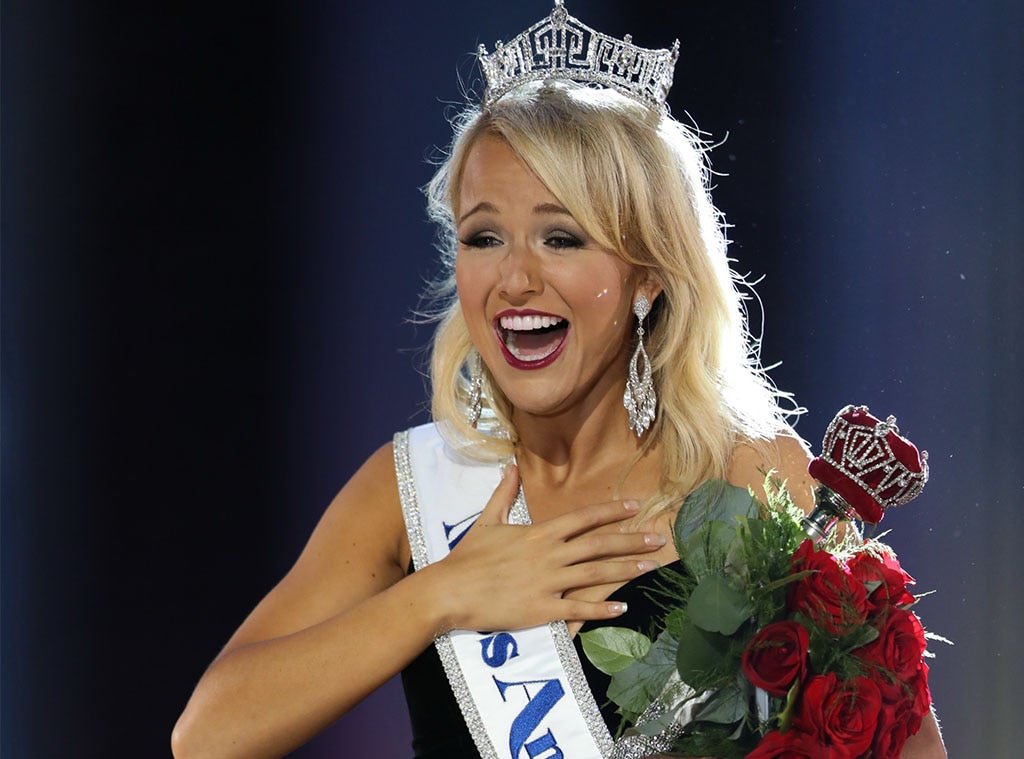
The Miss USA Organization responded to ABC News in a statement, saying it remained "committed to fostering a healthy, communicative and supportive environment for all contestants, state titleholders, national titleholders and staff." Following Voigt's resignation in May 2024, Miss USA 2023 Savannah Gankiewicz was awarded the national title.
Revisions to Age and Marital Eligibility
Despite recent scrutiny, the competition continues under updated entry qualifications. Contestants competing for Miss USA must be at least 18 years old, while younger participants compete in the separate Miss Teen USA pageant.

Organizers previously barred candidates older than 28 from entering the pageant, but that upper age limit has since been removed. The rule change allowed 71-year-old Marissa Teijo to set a record in 2024 as the oldest woman to compete for Miss Texas USA.

Pageant regulations formerly prohibited mothers as well as married or divorced women from participating. Those restrictions have since been eliminated to broaden applicant qualification.
Gankiewicz told People that the changes allow married women, divorcées, and mothers to compete at both Miss USA and Miss Universe. She expressed hope that the shift creates greater representation, noting, "When they see a woman that looks like them or speaks like them they'll feel inspired to do this as well."

Citizenship, Residency, and Gender Rules
While candidates do not need to be born in the United States, all participants must hold U.S. citizenship. Entrants must possess a valid passport or be capable of obtaining one immediately upon selection.

Contestants are not restricted to competing in their state of birth, allowing an applicant born in Alabama to compete in states such as Alaska, Arizona, or Arkansas. However, candidates must meet specific criteria in their chosen state by residing there for at least three months, completing at least one semester as a full-time student, or working full-time in that state.

Both cisgender and transgender women are eligible for the competition. In 2021, former Miss Nevada USA Kataluna Enriquez became the first openly transgender contestant at Miss USA, nine years after the organization updated its rules in 2012 to be more inclusive.
Although Enriquez did not place in the top 16, she told Yahoo Life that "it was an honor just to be able to represent my community and be an example for young queer children who now know they don't need to be limited by society's standards." Expressing initial shock at the result, Enriquez added, "It's OK because we made an impact… and I received a lot of support and love on social media."
Wardrobe Limits and Financial Obligations
Contestants face strict limitations on their wardrobe choices during competition week. Each participant is permitted to select only two evening gowns: one designated for the preliminary round and another for the final stage performance.
Participants are required to fund their own competition expenses, including wardrobe, beauty preparations, and travel costs. Gankiewicz revealed to People that she funded her campaign using personal savings, financial contributions from friends and family, and private sponsorships.
According to Gankiewicz, standard evening gowns for the pageant average over $12,000. She sourced her own competition gown from the Philippines for "$6,000," which she noted was "expensive for out of the country," adding that contestants must work hard to secure sponsors to offset beauty treatment expenses such as hair and nail maintenance.
Single Attempt Limits for Titleholders
Under organizational regulations, winning a state title limits further participation in the American pageant system. Gankiewicz noted that state winners receive only one opportunity on the national stage, telling People, "Once you compete in one state and win that title, you can't compete again. So once you hit that Miss USA stage, this will be your last time."
Gankiewicz pointed out that international pageants often allow repeated attempts, noting that candidates with dual citizenship "go to their countries, which is so nice because you can go to Miss Universe Philippines numerous times until you win that country." She added that she remains hopeful Miss USA might revise the policy in the future, stating, "Maybe I'll come back in!"