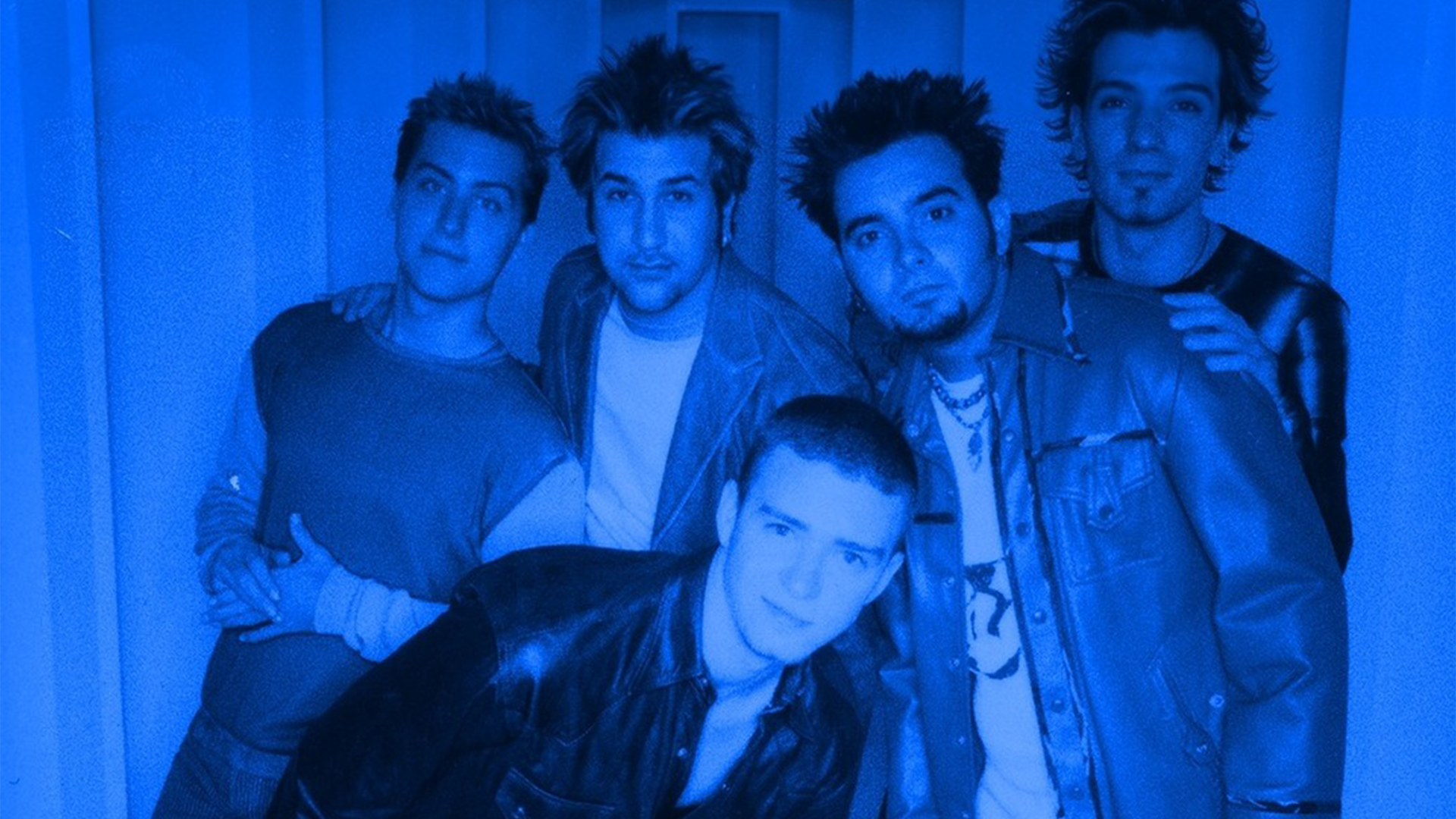

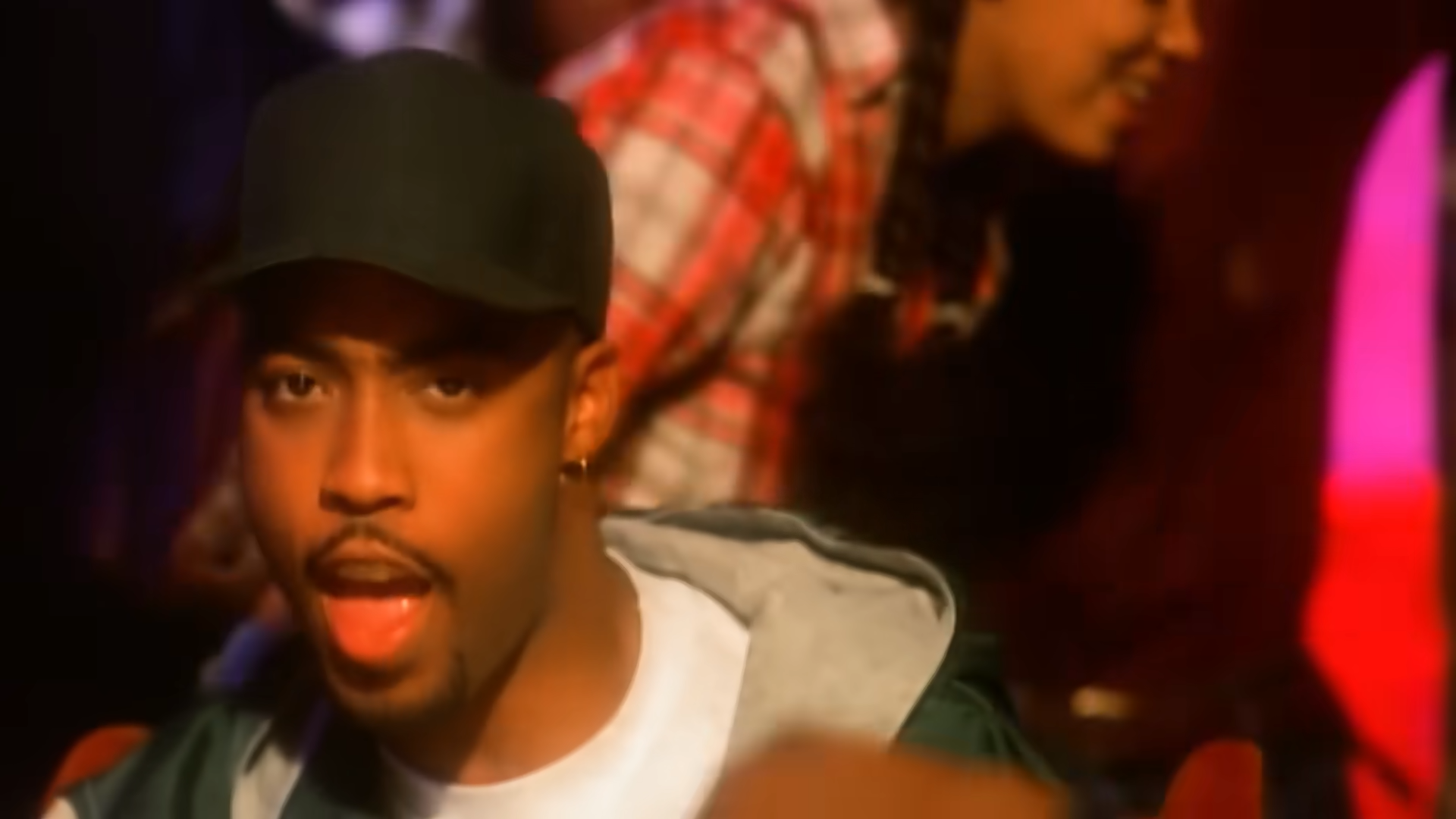
Montell Jordan's hit song 'This Is How We Do It' has become Hollywood's most used pre-existing track, accumulating 53 appearances across film and television productions.
Driven by its upbeat mood and simple, catchy lyrics, the R&B track has been selected for more than 50 screen projects, making it the most played pre-existing song in audiovisual productions.
Its most recent cinema appearance came in La isla olvidada, which opened on 25 September and remains in theatres. In the film, the track plays over a funny and emotional montage as the two female leads look back on their childhood alongside the grandmother of one of them.
Major Hollywood studios such as Marvel have also turned to the song for key character moments. It features in Deadpool & Wolverine, the second highest-grossing film of 2024, where it accompanies Wade Wilson during an emotional transition at the start of his birthday party before the Time Variance Authority interrupts the intimate scene.
Appearances across television and comedy films
Beyond superhero blockbusters, 'This Is How We Do It' has been a recurring choice for party and reunion scenes across American television and film. In the drama series Euphoria, the track scores a birthday party scene, mirroring its use in Deadpool & Wolverine.
The adult animated series South Park used the song in the promotional trailer for its 21st season. In comedy cinema, it appears in American Reunion, known in Spain as American Pie: El reencuentro, playing as the original cast gathers with former classmates at a graduation reunion party in East Great Falls.
The song has also become a staple in productions built around a cappella singing, in which performers sing without instrumental accompaniment. One of its first uses in that format came on the American musical series Glee, where the all-male group Acafellas covered 'This Is How We Do It' in what the report notes as the 33rd episode of the first season.
That vocal tradition later carried over to the big screen in Pitch Perfect 2, released in Spain as Dando la Nota 2. In the film, the German group Das Sound Machine performed the track to open the final of the singing competition against the Barden Bellas.
Because the round focused on the category of 1990s hip-hop classics, the Barden University group answered Das Sound Machine's opening number by performing Lauryn Hill's 'Doo Wop (That Thing)'.
Origins in South Central Los Angeles and chart success
'This Is How We Do It' served as Montell Jordan's debut release under the Def Jam record label, an influential American hip-hop and R&B imprint founded in New York. Jordan first developed the song during his university years by writing lyrics over the instrumental track of Slick Rick's hip-hop song 'Children's Story'.
The lyrics take listeners to a Friday night in South Central, a district of Los Angeles that experienced heavy gang violence during the 1990s. Through his rhymes, Jordan portrays a moment when neighbourhood tensions are set aside so the protagonist can enjoy the weekend.
The blend of verses and rhythm won over both music critics and audiences upon release. The single held the number one spot on the Billboard Hot 100, the standard United States singles chart, for seven consecutive weeks and earned a platinum certification.
Original film scores and pre-existing soundtracks
The track's screen longevity highlights a broader divide in how film and television producers approach music, which serves to guide viewer emotions, set the pace of a cut, and support visual storytelling.
Classic blockbusters such as Star Wars, Gladiator, and Titanic rely on original orchestral scores written specifically for the screen. That tradition has been shaped by major film composers including John Williams, Hans Zimmer, and James Horner.
Many modern productions instead build their soundtracks around pre-existing commercial songs that audiences already know from the radio, streaming platforms, or social media. Prominent films built on previously released hits include Moulin Rouge!, Pulp Fiction, and Mamma Mia!, a category in which Jordan's debut single now leads all other tracks.