

Florida International University researchers led by neurogeneticist Matthew DeGennaro identified factors that make certain people especially attractive to mosquitoes, according to ScienceAlert. The team invited 119 volunteers from Miami and asked each person to place a hand inside an olfactometer, a long tube designed to test how insects react to smells.
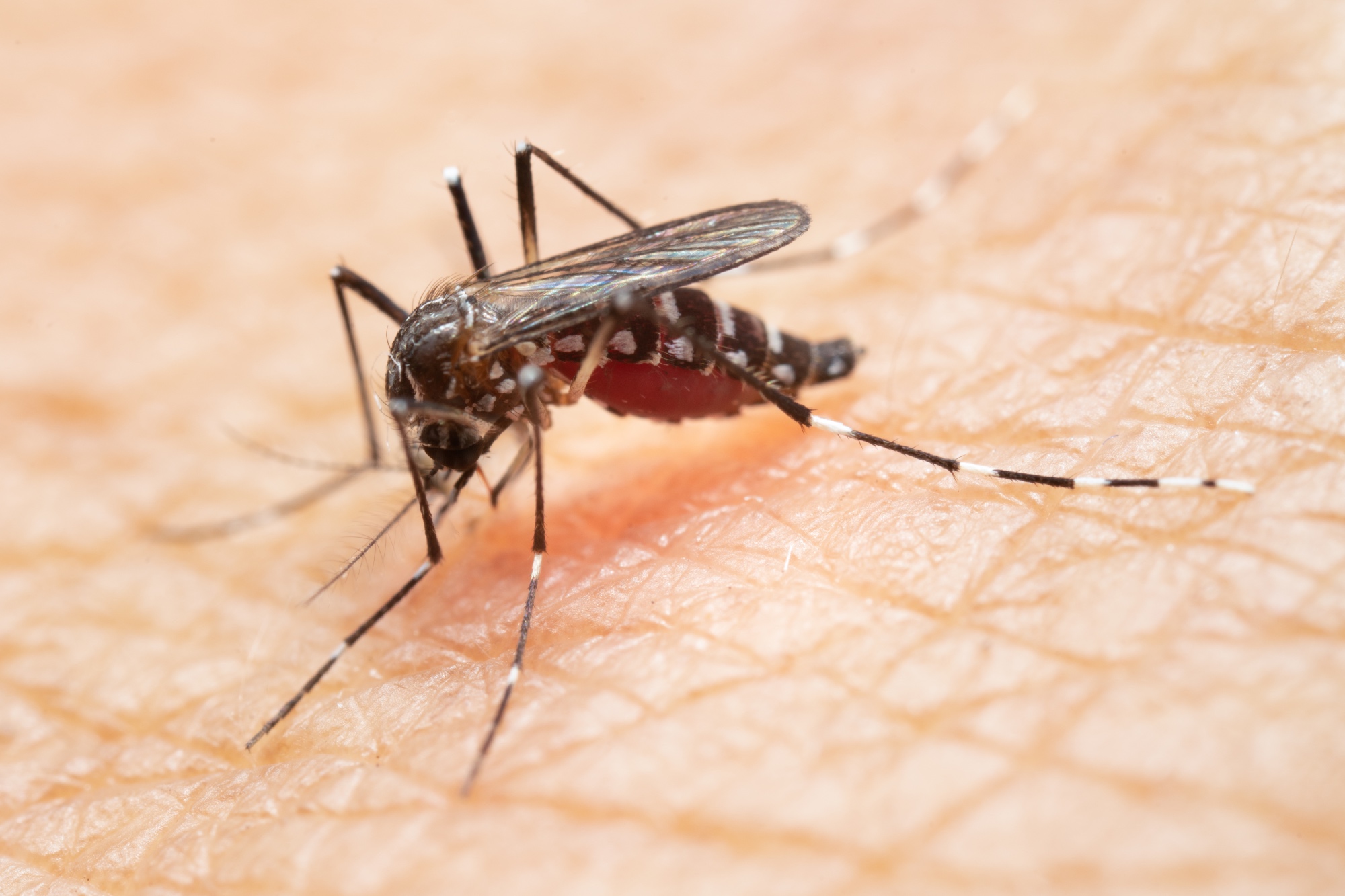
Scientists released three mosquito species into the device from the opposite end: yellow fever mosquitoes, Asian tiger mosquitoes, and southern house mosquitoes. Yellow fever mosquitoes reacted slightly more strongly to male subjects. The other two species fed with equal enthusiasm on both men and women.
Some participants proved exceptionally attractive to specific mosquito species, while others triggered no interest from the insects. Researchers discovered three types of bacteria on volunteers who attracted high numbers of mosquitoes that were absent on people bitten less often: Corynebacterium kefirresidentii, Cutibacterium granulosum, and Staphylococcus epidermidis. The study authors said mosquitoes may react to the presence of these bacterial taxa.
Previous mosquito experiment
ScienceAlert previously reported that a student at the Georgia Institute of Technology in the United States voluntarily allowed hungry mosquitoes to bite him for research. He spent four minutes inside a room containing 100 blood-sucking insects.