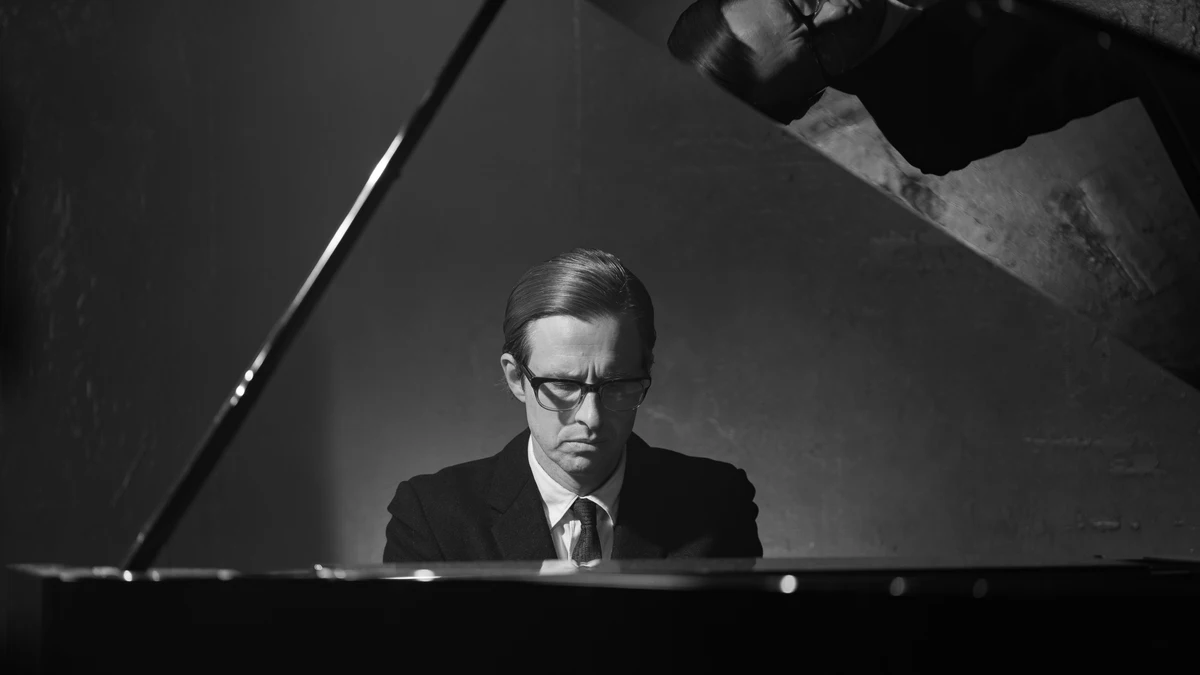
A new film about jazz pianist Bill Evans, directed by Grant Gee, has won the Silver Bear for Best Director at the Berlin International Film Festival. The Irish production, titled "Todo el mundo quiere a Bill Evans" (Everybody Wants Bill Evans), stars Anders Danielsen Lie as the American musician.
The film is based on the novel "Intermission" by Owen Martell and follows Evans during a pivotal period in his career: the aftermath of the death of his bassist and close collaborator, Scott LaFaro. According to the film, that loss plunged Evans into a severe creative and emotional block.
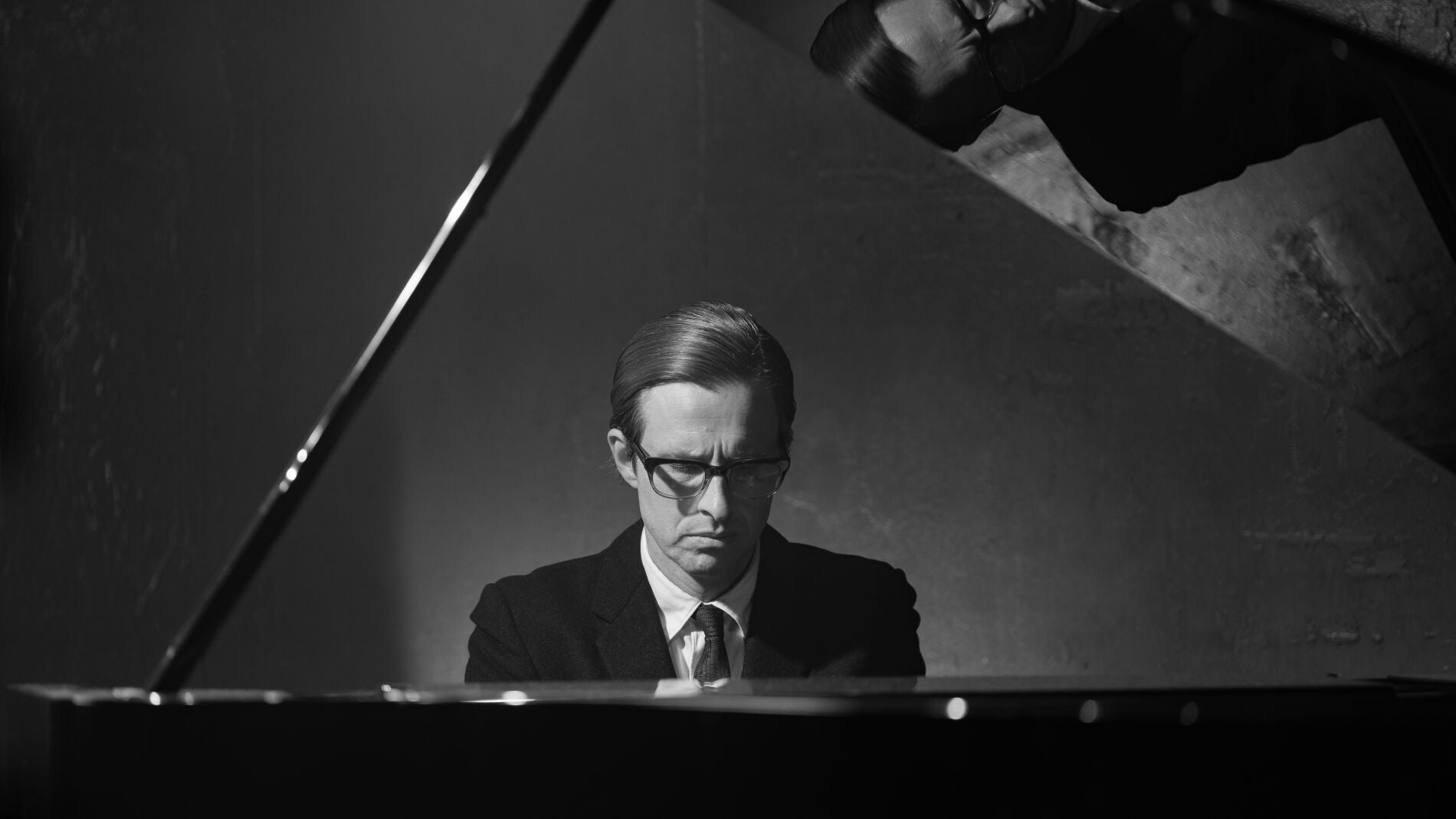
Bill Evans was one of the defining pianists of American jazz in the early 1960s, a period often associated with the presidency of John F. Kennedy. Scott LaFaro, his bassist and musical partner, died in a car accident in 1961, a loss that reshaped the direction of Evans's trio and his personal life.
Cassavetes and Wilder as reference points
Gee, who also directed the 2015 documentary "Innocence of Memories," said he drew on filmmakers John Cassavetes and Billy Wilder to capture New York as what he called a "garden of good and evil," a city of glamorous skyscrapers standing alongside sewers and rats that roam its subway stations without fear.
He said audiences do not always notice it because of the charm of those films, but characters such as the ones in Wilder's "The Apartment" lived in deeply run-down homes. That contrast between surface and decay, he said, is part of the tradition his own film on Evans belongs to.
Portrait of 'an ordinary artist'
Gee said what drew him to Evans was the way the musician's idea of music worked against his own existence. Evans was not a rock musician whose lyrics already spelled out extreme emotions, he said, yet audiences can still sense the recklessness with which Evans lived.
Evans's compositions were orderly and luminous, Gee said, and misfortune followed him all the same. The director said he was drawn to showing the romantic and drug problems that affected Evans, which is why he stripped the epic quality out of the story to reveal the face of what he called "an ordinary artist."
Gee summed up the contradiction at the heart of the film by saying that Bill Evans's music was luminous, and yet he lived with misfortune.
A 'conservative bohemian'
Gee described Evans as a true "conservative bohemian." He said the musician had a reckless, kamikaze streak when it came to his own health, even though his favourite writer was Thomas Hardy, an author associated with rural England, and his music was tightly structured.
That tension between recklessness and order became an obsession for Gee as a filmmaker, and it shapes the way colour is used in the film. Although almost the entire picture is shot in black and white, brief moments break into a diffused colour during the more conflicted episodes of Evans's life.
Gee said he wanted those moments to look as if they had been pulled from a half-broken 1970s television set.
The film is filed by the newspaper under jazz, New York, cinema and biography.
Test yourself
What award did Grant Gee's Bill Evans film win at the Berlin Film Festival?
Whose death sent Bill Evans into a creative and emotional block in the film?
Which two directors did Grant Gee say influenced his portrayal of New York?
Where it happened
Berlin, Germany